
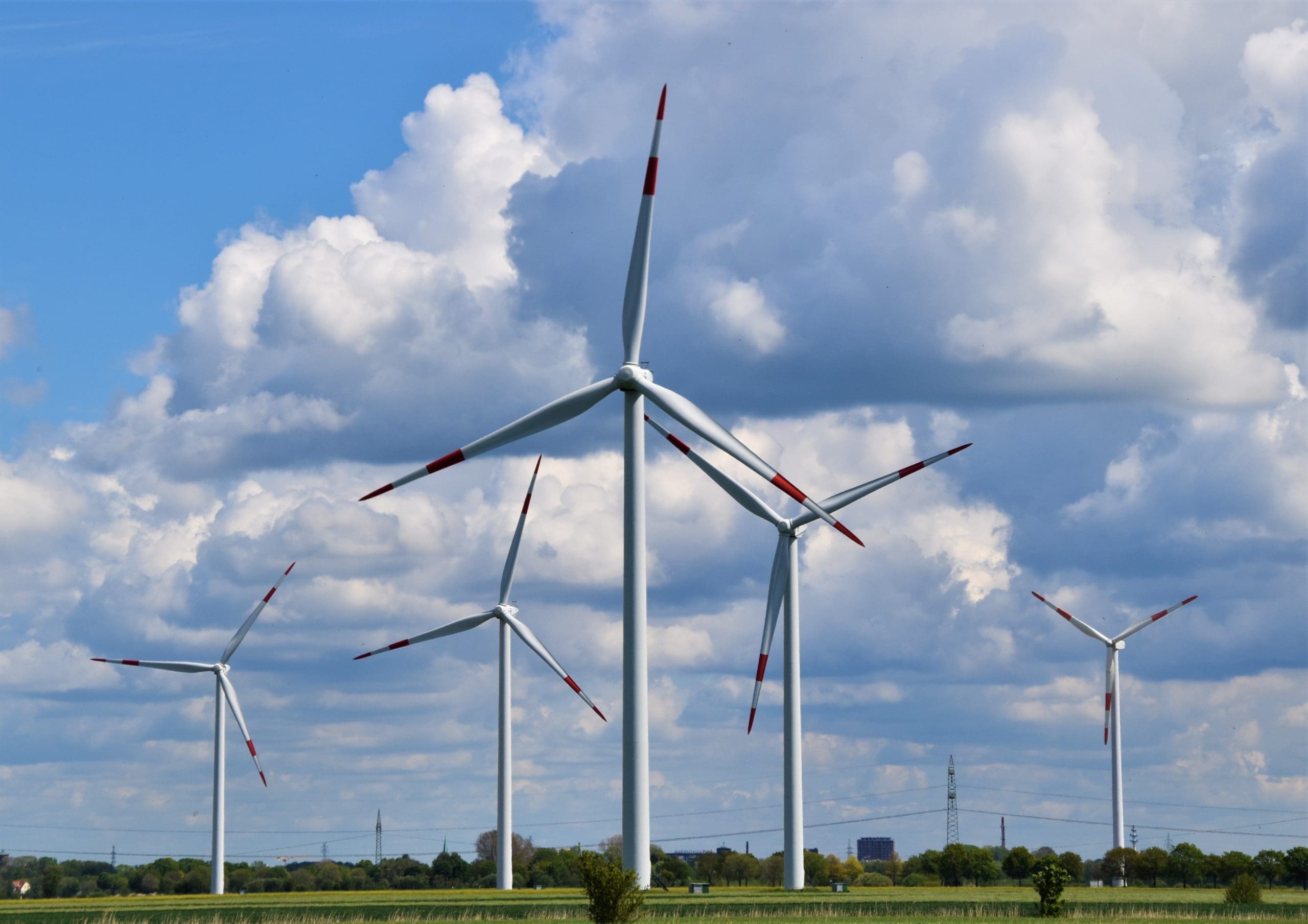
Engie Chile recently received environmental approval for a new onshore wind farm in the Biobio region. The project has a 171.6 MW capacity with 26 turbines rated 6.6 MW each. It will also integrate a battery energy storage system to absorb, store, and dispatch power as needed. The construction phase will begin in 2026, with commercial operation targeted in 2028. Annual generation for the wind farm is projected at 405 GWh, with the potential to reduce reliance on fossil-based generation in Chile. Battery storage projects integrating with the wind projects help balance the grid for reliability. For instance, the El Rosal project adds another hybrid asset to the portfolio. This contributes to national targets for decarbonization and energy security. Engie Chile’s wind energy strategy emphasizes harvesting renewable potential, transitioning from coal, and hybrid renewables-plus-storage deployment. Fiberglass secondary connectors serve within the electrical infrastructure of wind farms and substations.
The secondary connectors link and protect secondary circuits of high-voltage equipment. The wind system monitors and controls power through devices like current transformers and voltage transformers. Fiberglass secondary connectors bring the wires from the transformers into protection and control cabinets. The connectors provide high dielectric strength to ensure that dangerous high voltages from the primary power circuit cannot jump to sensitive low-voltage control circuits. Modern wind farms in Chile should provide grid stability services such as voltage regulation and fast frequency response. Fiberglass connectors offer mechanical strength, UV resistance, and corrosion-free performance. This offers dimensional stability under thermal stress that ensures reliable connection in wind projects.
Quality assurance for fiberglass secondary connectors used in Chile’s wind projects
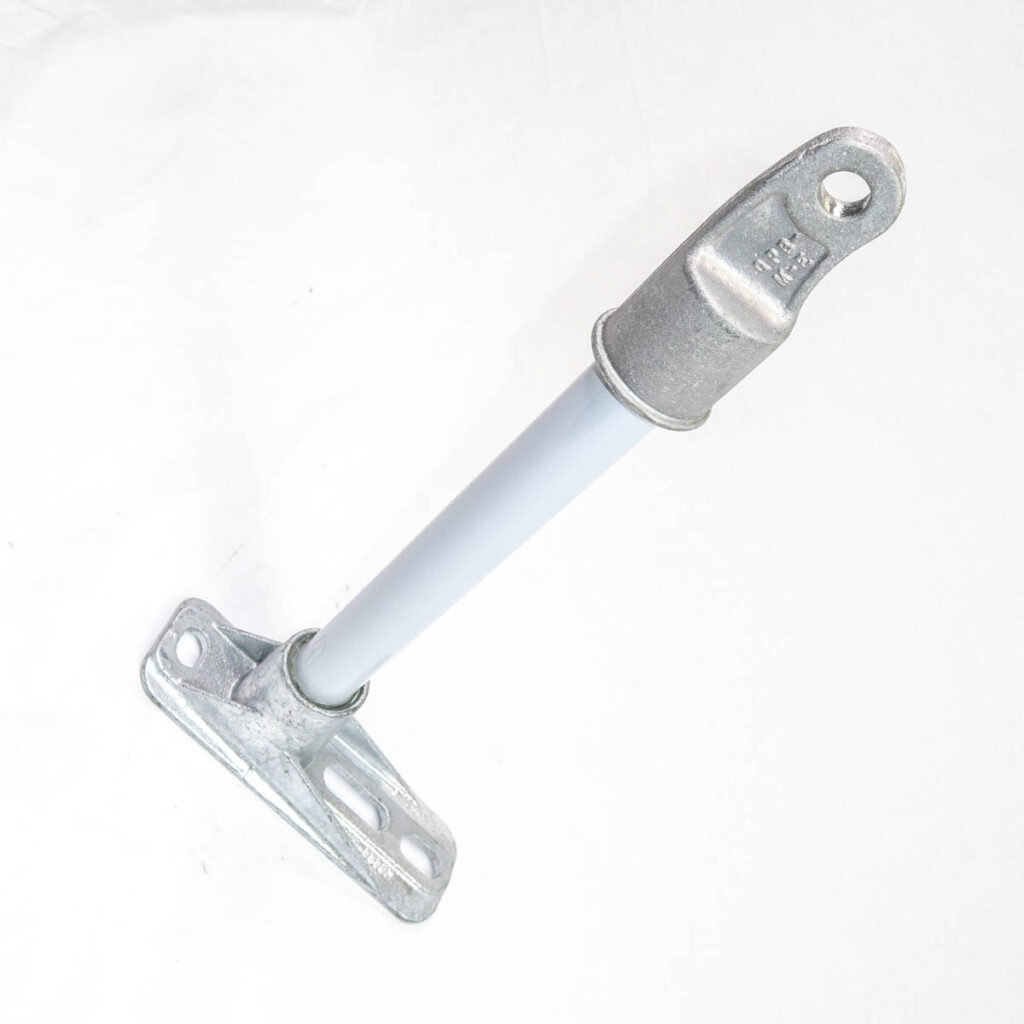
Secondary connectors in wind turbine electrical systems link instrumentation, auxiliary systems, monitoring devices, and control circuits. The connectors have fiberglass-reinforced polymer materials that combine mechanical strength with electrical insulation. This is crucial for harsh offshore and onshore conditions, UV and moisture resistance, and long-term dielectric integrity. Quality assurance for the fiberglass secondary connectors ensures that the connectors’ performance matches environmental and electrical demands. Lack of quality assurance may cause failures that lead to corrosion-related faults, costly tower access and repairs, and signal integrity loss that affects plant performance. The quality assurance process includes material verification, design verification and standards compliance, pre-assembly testing, environmental stress testing, and in-service validation and monitoring.
Key functions of fiberglass secondary connectors in wind project development in Chile
Fiberglass secondary connectors ensure electrical integrity, environmental resilience, and long-term operational stability. The connectors enable electrical insulation integrity, mechanical durability, environmental resistance, and reliable subsystem integration. They are crucial components that support performance, safety, and long-term asset value. Here are the functions of fiberglass secondary connectors.
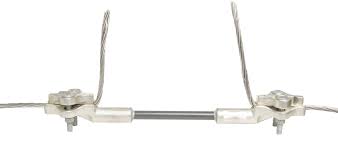
- Electrical insulation and signal integrity—fiberglass-reinforced polymer connectors provide high dielectric strength. They offer insulating properties that prevent leakage currents and short circuits.
- Mechanical strength in high-wind conditions—fiberglass connectors resist vibration-induced fatigue, maintain structural rigidity under nacelle movement, and withstand mechanical stress from tower sway.
- Environmental resistance—wind projects face high UV radiation, salt-laden air in coastal installations, and temperature fluctuations. Fiberglass secondary connectors provide UV stability to prevent polymer breakdown and corrosion resistance.
- Interface between auxiliary systems—secondary connectors connect and support pitch control systems, yaw motors, condition monitoring sensors, and auxiliary transformers and converters.
- Support for hybrid wind and BESS developments—secondary connectors serve battery management systems, inverter control circuits, and communication infrastructure.
Infrastructure and technologies supporting wind farm development by Engie Chile
The expansion of wind generation in Chile depends on the integrated framework of transmission infrastructure, digital control systems, hybrid storage solutions, and regulatory coordination. Engie Chile’s wind portfolio development shows an aligned approach that combines generation assets, grid interconnection, and energy storage. These include:
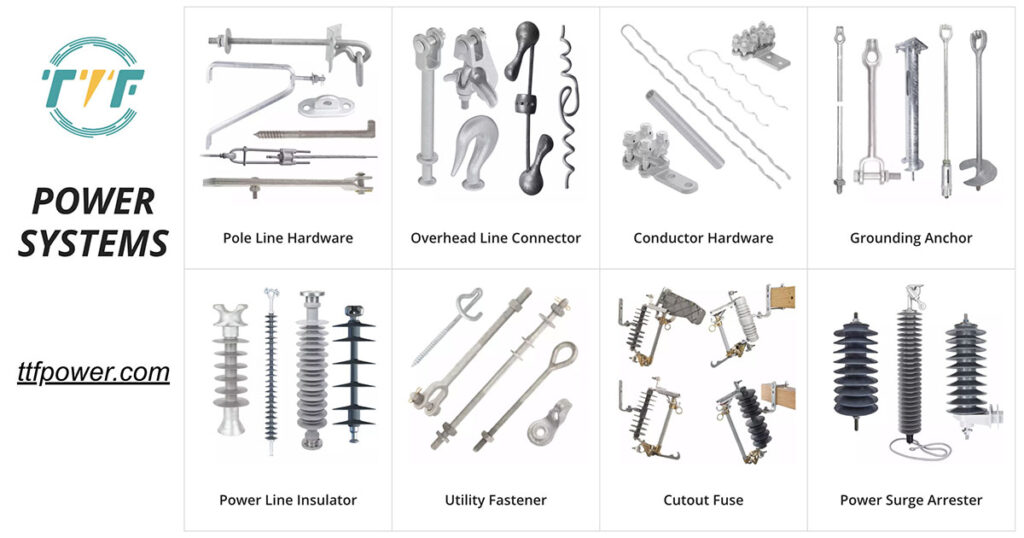
- Transmission infrastructure and grid integration—these include high-voltage substations, step-up transformers, collector systems, and reactive power compensation systems.
- Utility-scale wind turbine technology—modern Engie wind projects deploy high-capacity turbines optimized for Chile’s wind regimes. The technology includes variable-speed generators, advanced blade aerodynamics, direct-drive systems, and condition monitoring systems.
- Battery energy storage systems—wind projects use lithium-ion battery systems, battery management systems, energy management systems, and power conversion systems.
- Digitalization and smart grid technologies—key systems include SCADA, remote monitoring and diagnostics, real-time data analytics platforms, and predictive maintenance algorithms. It also includes the use of digital twin models and AI-based forecasting. These improve wind production forecasting accuracy, maintenance scheduling, and grid stability forecasting.