
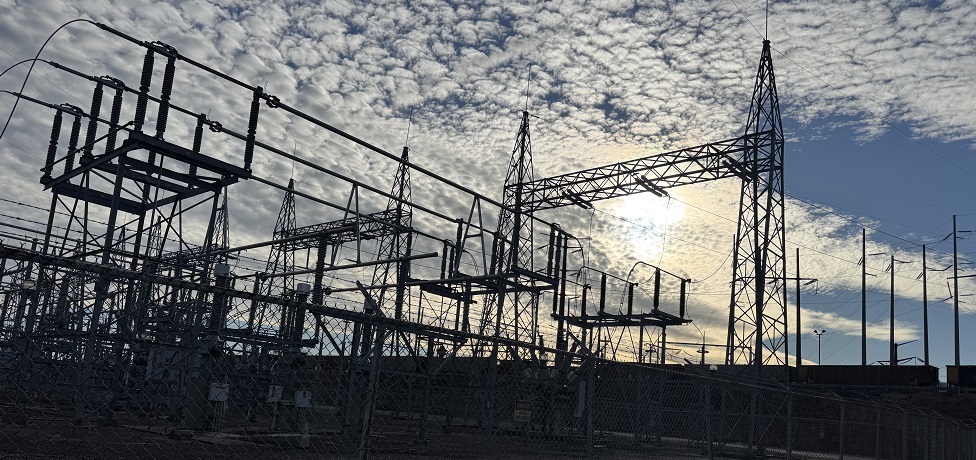
Peru is progressing with power line expansion as it enhances its transmission infrastructure to accommodate increasing electricity demand. Strategic investments ease the growth of the national grid and enhance power reliability throughout various areas. The firm possesses a 138 kV transmission line that spans 132 km connecting the Aguaytia and Pucallpa substations located in the Ucayali region. Peru is enhancing its high-voltage transmission system to allow electricity to flow from generation locations to consumption hubs. The growth emphasizes the establishment of long-range transmission lines and substation construction. The expansion involves linking remote areas to the grid, enhancing grid reliability, aiding new industrial initiatives, and decreasing local power deficits. Expansion of transmission allows renewable energy to access key demand areas. High-voltage cables contribute to grid stability and effective power distribution. These connections depend on distribution insulators to establish a sturdy grid
Distribution insulators offer electrical insulation and mechanical support in power grids. The insulators ensure the safe, efficient, and reliable transmission of electricity. This is crucial as the country integrates more renewable energy sources and extends its grid into challenging areas. The distribution insulator prevents electrical current from flowing from live conductors into the grounded support structures. They help prevent short circuits, power outages, and electrical accidents. Insulators support the heavy weight of conductors and endure environmental forces. Distribution insulators are crucial components in upgrading power lines into higher-capacity conductors. Insulators enable the development of low-voltage distribution systems for mini-grids.
Quality assurance for distribution insulators used in Peru’s power expansion
Enhancing quality assurance for distribution insulators helps maintain grid stability and reduce outages. The insulators isolate energized conductors from grounded structures like poles or crossarms. Effective quality assurance ensures the insulators perform under electrical, mechanical, and environmental stresses. Quality assurance during material selection includes chemical composition verification, mechanical strength evaluation, and inspection of galvanized metal fittings. During manufacturing, quality control ensures that insulators meet precise mechanical and electrical requirements. Engineers track molding pressure, curing temperature, glazing quality, and assembly of end fittings. Key quality checks include dimensional inspections, adhesion testing, surface finishing checks, and monitoring. QA is essential for maintaining grid stability, reducing outages, and protecting long-term infrastructure investments. This is crucial as Peru expands renewable energy integration and rural electrification.
Functions of the distribution insulators in Peru’s power line expansion
Distribution insulators ensure electrical safety, mechanical stability, and reliability of the grid. The insulators isolate energized conductors from grounded structures while supporting the conductors. Distribution insulators strengthen Peru’s electricity infrastructure and support rural electrification, renewable energy integration, and grid stability. Additionally, they maintain insulation integrity under fluctuating electrical loads. Here are the functions of the distribution insulators in power line expansion.
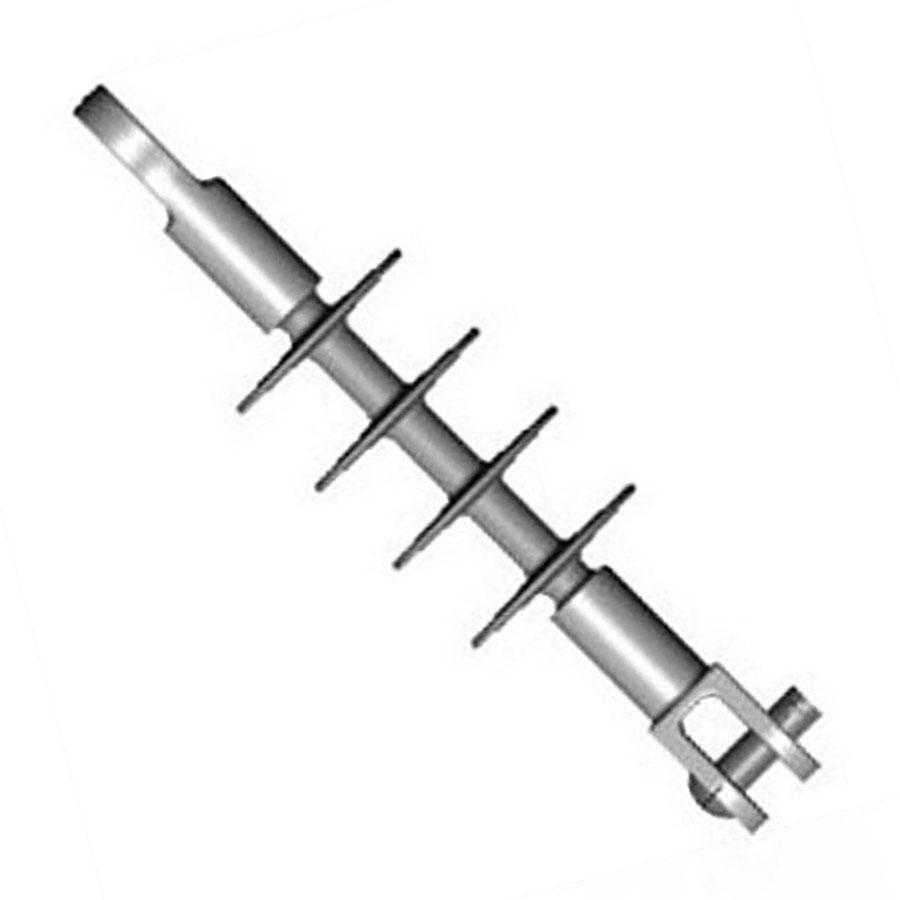
- Electrical isolation of conductors—distribution insulators isolate conductors carrying high voltage from supporting structures. They ensure that electricity flows along the intended path.
- Mechanical support for conductors—the insulators bear the mechanical loads created by the weight of the conductor and wind pressure. Insulators help stabilize conductors while preventing mechanical stress.
- Preventing power loss and electrical leakage—insulation reduces the likelihood of electrical leakage along the surface of the insulator. Leakage currents lead to energy losses, overheating, and insulation failure.
- Enhancing grid reliability and service continuity—insulators contribute to the stability of the distribution network. They reduce the risk of faults such as flashovers, conductor drop incidents, or equipment damage.
- Supporting renewable energy integration—distribution insulators ensure safe transmission of electricity from renewable sources to end users.
Significant effects of power line growth in Peru’s energy industry
Investments in transmission infrastructure are allowing the country to enhance energy reliability, incorporate new power sources, and extend electricity access to remote areas. The effects are as outlined as follows.
- Enhancing the national grid—expanding transmission offers electricity pathways during system disruptions, alleviates congestion on current power lines, and improves voltage stability.
- Facilitating industrial and mining development—power line extensions enable electricity to access mining areas. Enhanced infrastructure aids in delivering electricity to mining activities and bolsters manufacturing industries.
- Facilitating the incorporation of renewable energy—expanding transmission allows for the integration of renewable energy sources into the national grid. This aids in diversifying the national energy portfolio and lowering dependence on fossil fuels.
- Enhancing electricity availability – extending power lines aids rural electrification initiatives, boosts electricity access for remote communities, and fosters increased economic prospects in neglected regions.