
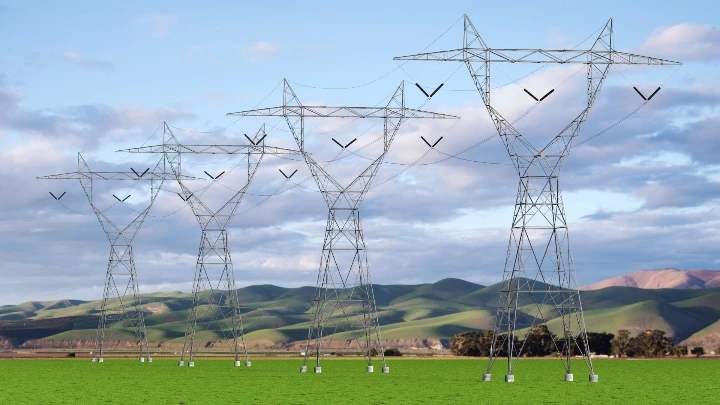
Argentina’s national energy authorities are preparing tender documents for a 500+ km transmission expansion. This marks a significant moment for the country’s energy sector. The initiative involves grid construction, regional integration, and energy security. Grid expansion is critical as the country expands renewable energy resources and integration. There is increased renewable energy capacity in regions such as solar in the northwest and wind in the Patagonia region. The extra 500 km of high-voltage transmission lines will reduce congestion, improve system reliability, and enable efficient evaluation of power delivery. The 500 km transmission line will support Argentina’s decarbonization goals. It will help improve grid stability for intermittent generation and enhance investor confidence in future renewable tenders. This will be crucial to integrate clean energy into the national mix while reducing reliance on thermal generation. Using downlead brackets ensures the safety, reliability, and durability of the transmission system.
The brackets manage the transition of the conductor from the vertical descent of the tower to the transmission line. It provides a secure, anchored, and organized point of contact to maintain clearance and forces. Downlead brackets dampen wind-induced oscillations in the jumper loops to prevent fatigue failure of conductor strands at termination points. They withstand the mechanical loads from wind and ice to ensure the jumper does not swing out of its zone.
Downlead brackets prevent flashovers caused by wind bringing the conductor close to the steel. Its compact design ensures phases remain separated to prevent phase-to-phase faults. They also allow for jumpers to be preassembled on the ground to speed up the costly process of stringing conductors over distances. The brackets are designed to hold the diameter and bending radius of the heavy conductors. This is crucial to Argentina’s 500 kV lines using large-diameter and high-tension conductors.
Impacts of improved transmission lines in Argentina’s energy sector
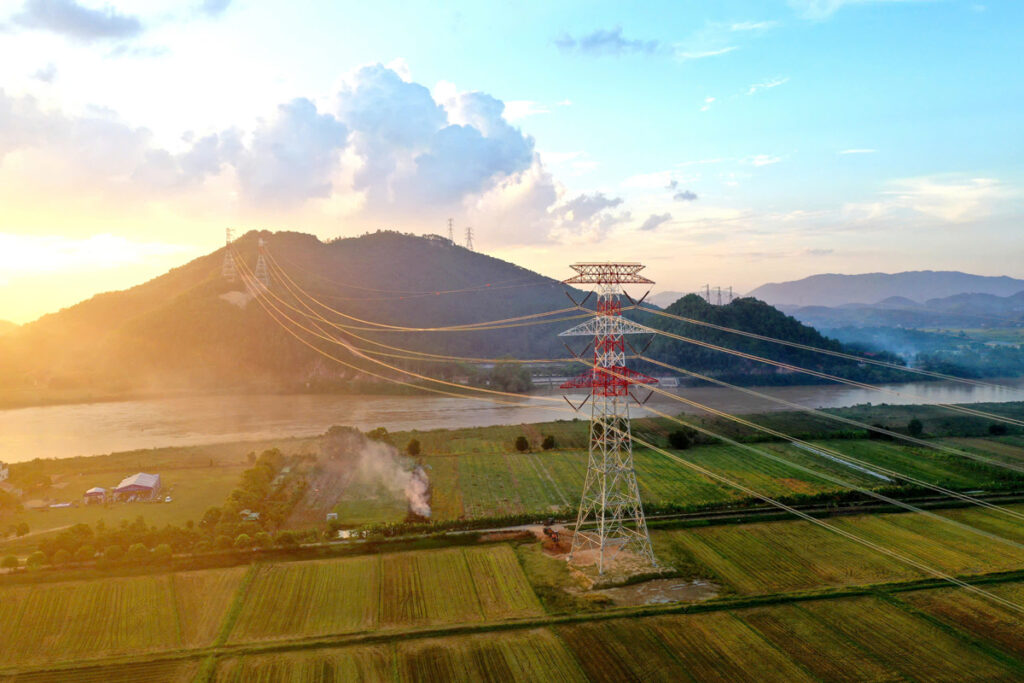
Improved transmission line expansion and expansion support Argentina’s high-voltage networks. This impacts the country’s generation, markets, regional development, and energy security. Modernized transmission lines reduce congestion and renewable curtailment, enable large-scale wind and solar integration, and improve grid stability for variable generation. Modern infrastructure improves performance by reducing outage frequency and strengthening resistance to extreme weather events.
Downlead brackets in transmission line expansion.
Argentina’s 500 km transmission line expansion uses downlead brackets to ensure electrical reliability, structural integrity, and operational safety. The expansion supports renewable integration and growing demand for power delivery. Downlead brackets act as components that translate large-scale infrastructure investment into dependable and efficient power delivery across the grid. Here are the functions of the downlead brackets in transmission lines.
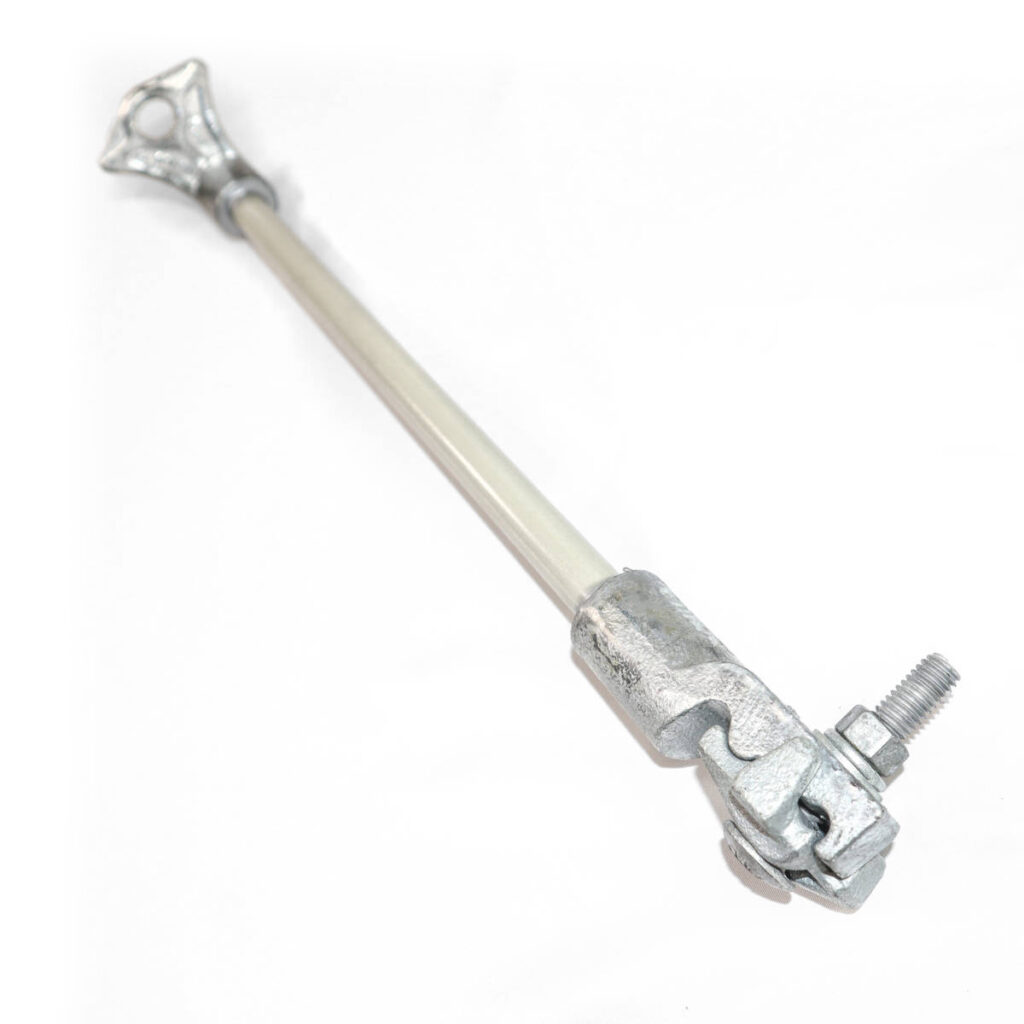
- Mechanical support—the bracket secures and guides the downlead conductor as it transitions from overhead transmission lines to equipment at substations. The brackets maintain proper conductor alignment, prevent excessive movement, and reduce mechanical stress at termination points.
- Electrical clearance and insulation control—downlead brackets maintain safe electrical clearances between live conductors and grounding components. They reduce the risk of flashover and support stable voltage performance at high load conditions.
- Integration with substation and terminal structures—brackets provide a controlled connection interface between overhead conductors, switchgear, transformers, and busbars. They enable smooth mechanical transition from line to equipment for reduced downtime.
- Grid reliability and expansion goals—downlead brackets support higher transmission availability, reduced maintenance costs, and stable operation of new and upgraded high-voltage corridors.
Argentina’s 500 km transmission line in regional integration and interconnection
The 500 km transmission line expansion will help advance regional integration and interconnection with Argentina’s energy sector. The project strengthens national cohesion, improves power exchange between provinces, and enhances Argentina’s ability to balance supply and demand. It plays various roles in Argentina’s integration and interconnections.
- Bridging generation center and load hubs—Argentina’s large-scale wind, solar, and hydro projects and thermal assets need strong interconnections to function as a unified system. The transmission lines link remote renewable generation centers to major urban and industrial load hubs.
- Enhancing grid resilience and energy security—the new 500 km lines provide power routes during outages, reduce the risk of cascading failures, and improve recovery times after extreme weather events.
- Enabling cross-border and regional energy integration—Argentina is enhancing its capacity to take part in regional power exchanges. It also allows export and import flexibility with regional partners.
- Supporting renewable energy integration at scale—grid interconnection helps manage the variability of renewable energy. New transmission lines enable reduced curtailment of wind and solar projects. They also help improve grid stability through broader balancing areas.