

Throughout the years, companies from China have contributed to the growth of Argentina’s renewable energy infrastructure. This has involved funding and engagement in significant projects. Argentina possesses significant renewable energy potential, featuring wind resources in Patagonia, solar energy in the northwest, and hydroelectric power in the Andes. Nonetheless, areas rich in renewable resources are located quite a distance from urban and industrial demand hubs. This renders transmission infrastructure vital for incorporating clean energy into the national grid. Major participants consist of State Grid Corporation of China, China Development Bank, and complete project contracts. These firms promote advancements for the integration of renewable energy. Increased renewable energy integration enables the delivery of clean energy to essential area consumers. This additionally aids in decreasing reliance on and usage of fossil fuels. Crossarm gains are essential in the physical framework of transmission and distribution lines
Integrating large-scale renewable energy needs transportation of massive amounts of power over long distances. New upgraded lines need higher voltages. Crossarm gains are able to support heavier conductors in areas with more current. Higher voltage lines need greater clearances between phases and from the ground. They also need longer, robust insulator strings to prevent electrical arcing. The gains on the crossarms should be able to support the weight and mechanical load of the insulators. Robust crossarm gains are crucial for the structural integrity of the entire transmission tower or pole. Crossarms also prevent the conductors from swaying excessively and touching each other. They help maintain grid resilience as more variable renewables integrate into the grid.
Functions of crossarm gains in Argentina’s renewable grid integration
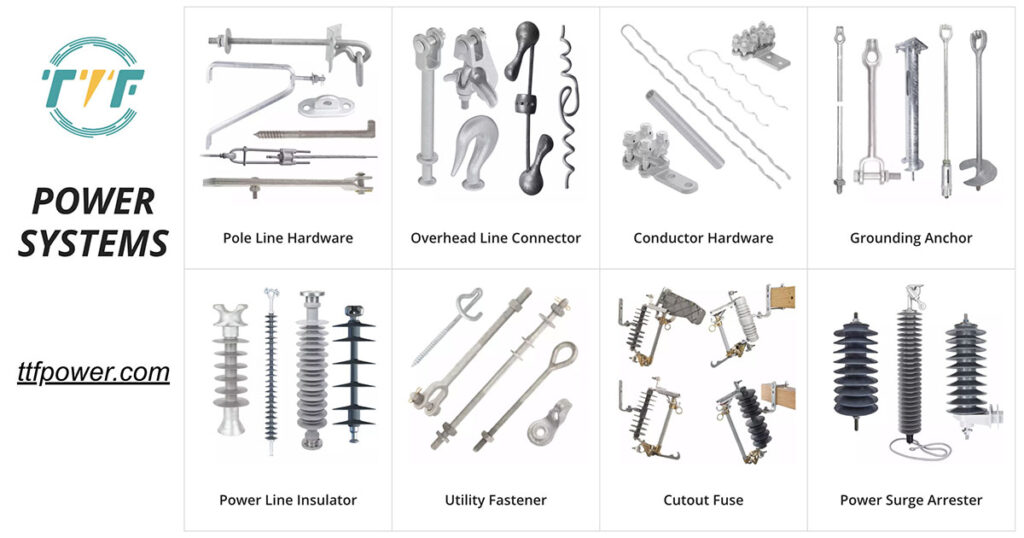
Argentina’s renewable energy transition depends on turbines, panels, and reliable transmission infrastructure. The crossarm gain consists of a steel or malleable iron fitting that secures the crossarm to a utility pole. The gains are crucial for securing crossarms, maintaining grid stability, and ensuring that clean power flows safely from remote wind and solar farms into the grid. Crossarm gains support the grid extensions and reinforcements necessary for new high-voltage lines. They also keep conductors and insulators in place under the diverse environmental conditions in Argentina. Here are its main functions in renewable energy integration.

- Secure mounting of crossarms—crossarm gains act as the anchor point between a wooden, steel, or composite pole and the crossarm. They provide a stable clamping surface to distribute loads from the crossarm into the pole body.
- Load transfer and structural stability—crossarm gains ensure that vertical and lateral forces are safely transferred to the pole. This is crucial in renewable-heavy networks where transmission lines carry fluctuating and high-capacity power.
- Alignment and positioning—the gains guarantee conductor spacing and clearance. This is crucial to maintain safe distances under variable renewable loads and weather conditions.
- Durability in harsh conditions—renewable projects spread across extreme terrains in Argentina. Crossarm gains are usually galvanized steel or ductile iron to resist corrosion and ensure long-term performance.
- Flexibility for upgrades—crossarm gains allow utilities to replace, reinforce, or add crossarms to poles without replacing the entire structure.
Advancements fostering renewable energy incorporation in Argentina
Argentina’s integration of renewable energy is backed by robust policy frameworks, enhancements in transmission and the grid, extensive wind and solar implementation, and global financing collaborations. These changes are reshaping Argentina’s energy sector and allowing it to meet increasing demand. These advancements encompass
- Infrastructure development—Argentina is broadening 500 kV high-voltage networks to link wind farms and solar initiatives to demand hubs. Chinese firms are funding and constructing transmission networks to allow renewable energy to enter the national grid.
- The integration of renewable energy—wind energy and solar energy from the Patagonia and Cauchari solar parks provides consistent power to the grid. Combining renewable energy with gas-fired plants guarantees reliability and lowers emissions.
- Funding and global collaboration—key contributors such as Chinese firms, the World Bank, and the Latin American Development Bank support renewable growth in Argentina. Private sector funding for firms such as Genneia, Envision, Canadian Solar, and TotalEnergies is engaged in Argentina’s renewable energy sector.
- Connecting to the main grid—building new transmission lines in Argentina lowers renewable energy curtailment, stabilizes the grid using energy storage options, and enhances energy exchanges with surrounding nations.