
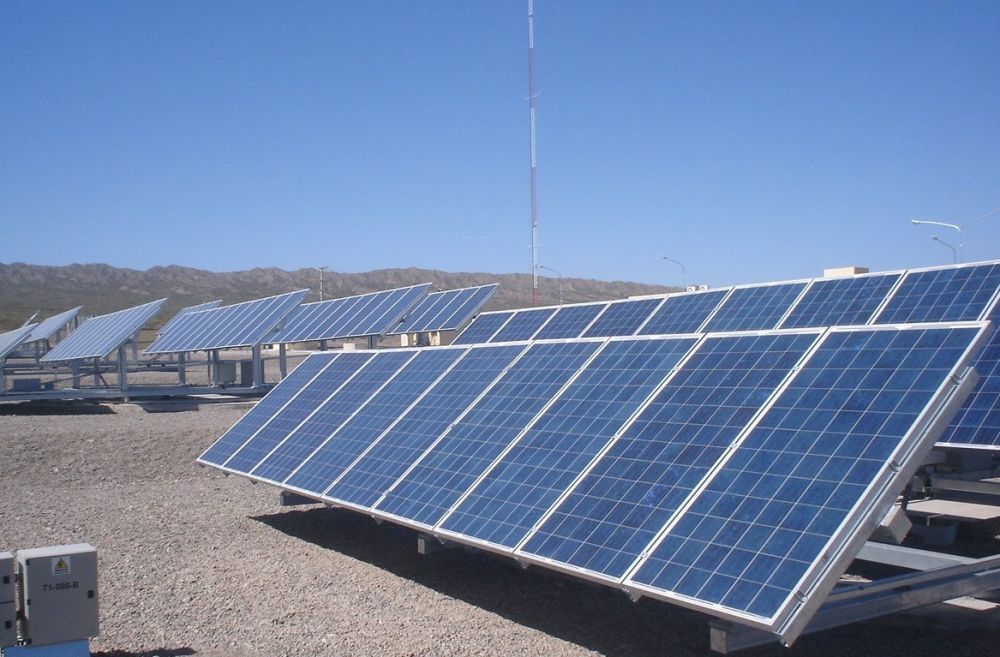
Argentina is shifting to large-scale solar deployment through a combination of strategic policy actions, infrastructure upgrades, and integration of advanced technologies. The country is moving forward with a new transmission line that will add 180 MW of transport capacity. The 132 kV double-circuit transmission lines for extra solar capacity. It also uses various measures that strengthen generation capacity, enhance grid reliability, and position the country as a key player in South America’s renewable energy transition. The new solar parks contribute to higher renewable shares in the national energy mix, reduced reliance on thermal plants, and improved peak load management. The industry is also commissioning a 500 MW solar module factory that marks a key industrial shift. These interconnections demand the use of pole line hardware such as eyenuts and eyelets.
Eye nuts allow the connections for the increased use of emerging technologies that improve performance in Argentina’s high-irradiance regions. These include bifacial modules, PERC modules, and anti-soiling coatings. An eye nut is a device that combines a load-bearing threaded connection with integrated lifting. This makes it a crucial component in solar construction, where modular components need secure mounting and often need precise positioning.
Solar photovoltaic (PV) modules are pre-assembled into strings or small groups off the ground. Eye nuts are bolted onto dedicated mounting points on module mounting frames. Eye nuts allow cranes to safely lift and position modules to reduce handling time and reduce the risk of damage. They also provide secure external covers for maintenance access. It helps connect inverters and combiner boxes, manage cables, and monitor gear.
Functions of Eyenuts in solar plant infrastructure and technologies
An eye nut is a mechanical connection component used across mounting structures, cable management systems, and balance-of-plant infrastructure. Expanding Argentina’s solar depends on solar capacity with larger arrays, tracking systems, and more complex electrical networks. Using eye nuts helps ensure structural stability, operational safety, and efficient installation. Here are the functions of the Eyenut in solar infrastructure.

- Structural anchoring and load transfer—Eyenuts serve as anchoring points on steel structures, torque tubes, tracker rows, and mounting frames. They provide secure attachment points for tightening, bracing, and supporting mechanical interfaces.
- Cable support and electrical routing—Eyenuts serve various roles in cable management for DC strings and AC feeder cables. They support messenger wires and cable trays, provide safe routing points for DC combiner outputs, and prevent cable sag, abrasion, or damage.
- Integration with tracking system mechanisms—Eyenuts act as part of the mechanical linkage assembly to improve tracking accuracy. They securely tie rods, actuator mounts, and alignment rods to allow controlled movement.
- Enhancing modularity and flexibility in expansion projects—adding parallel blocks needs eyenuts to support infrastructure modularity. They allow for quick reconfiguration of mechanical assemblies and the integration of new cable routing paths.
- Support for lifting and installation activities—eyenuts provide lifting and rigging points for heavy components. They support steel beams, torque tubes, tracker drives, inverter skid units, and transformer housings.
Influence of solar capacity expansion on Argentina’s energy sector
Argentina’s solar capacity expansion influences the structure, performance, and long-term direction of the energy sector. There is a combination of new utility projects, improved grid infrastructure, and local manufacturing reshaping how Argentina generates, distributes, and secures electricity. Solar energy expansion strengthens energy security, reduces reliance on imported fuels, modernizes the grid, and improves price stability. Key impacts include:
- Diversification of the energy mix—solar expansion is reducing dependence on natural gas and thermal generation. It increases the share of clean, non-fuel-based electricity and strengthens energy independence.
- Lowered generation costs—large-scale solar farms reduce the long-term cost of electricity in Argentina. Increased solar capacity contributes to more predictable pricing and reduces financial stress.
- Improved grid reliability—solar expansion pairs with modern inverters and storage technologies to enhance grid resilience. The interconnection provides voltage and frequency support, reduces peak load pressure, and decreases the need for thermal dispatch.
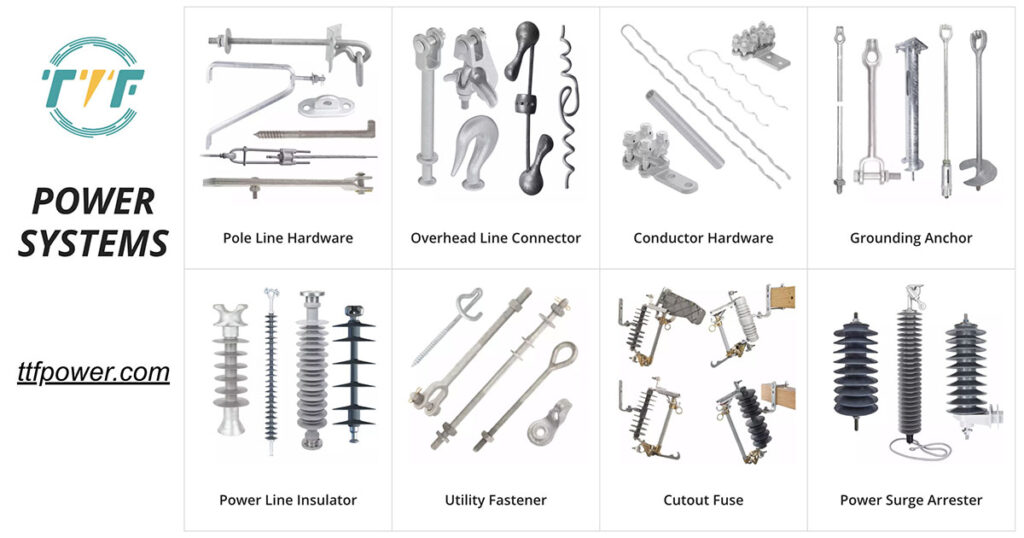
- Transmission infrastructure modernization—Argentina is reinforcing 132 kV and 500 kV lines and upgrading substations and investing in digital grid technologies. Eye nuts secure these connections to strengthen the national grid and renewable zones.
- Strengthening of industrial and manufacturing capabilities—the development and construction of domestic solar module production supports job creation, reduced dependency on imported components, and technology transfer.