
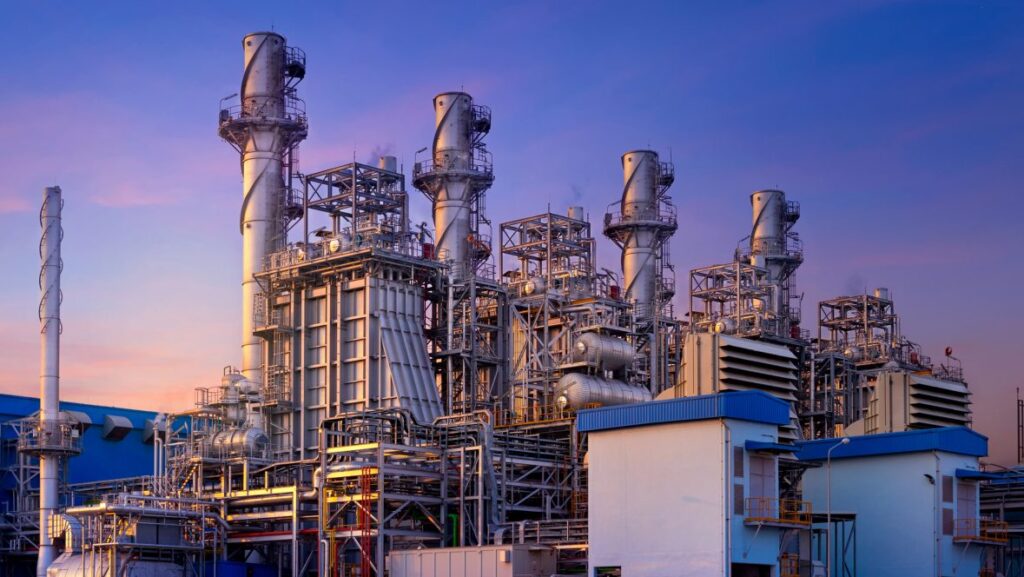
Vista’s Energy oil and LNG activities in Argentina concentrate on advancing the Vaca Muerta shale formation. It establishes the corporation as a key participant in the nation’s upstream growth and developing LNG export goals. The operational framework emphasizes capital discipline, efficiency in operations, and integration across the oil and gas value chain. The premium land enables competitive yields and comparatively low break-even expenses. Horizontal drilling, multi-stage hydraulic fracturing, and centralized production sites all contribute to enhancing crude production. The oil is then transported through local pipeline networks to domestic refineries and export terminals. Pipelines for crude, gas collection networks, compression plants, and storage facilities are essential elements of Vista’s energy framework. Such infrastructure relies on strong hardware stabilizers. Stay rods secure tall structures, such as LNG storage tanks, fractionation columns, and flare stacks, by anchoring them into the soil
Stay rods stabilize the tall structures to avert toppling or excessive shaking. The rods offer side support to avert wind-caused swaying and prevent fatigue failure in buildings. On-site power substitutes diesel generators, reducing expenses, emissions, and logistical challenges. Stay rods secure structures to deeper and more stable soil layers. They are able to stabilize slopes and secure structures constructed on leveled surfaces to avoid slow movement. Stay rods offer a fast and sturdy anchoring option for temporary or semi-permanent setups
Stay rods anchor the high structures to avert tipping or excessive oscillations. High-quality rods offer side support to mitigate wind-related movement and prevent fatigue failure in structures. On-site electricity substitutes diesel generators, reducing expenses, emissions, and logistical difficulties. Stay rods secure structures to more stable and deeper soils. They can secure slopes and tether structures constructed on leveled pads to avoid slow sliding. Stay rods offer a fast and durable anchoring option for temporary or semi-permanent setups
The function of stay rods in Vista’s energy framework in Argentina
Stay rods in Argentina’s oil and LNG infrastructure ensure mechanical stability and safety. The rods withstand tensile forces and stop movement or deformation of associated components by securing them against structural forces. They use fasteners, anchors, and other hardware to endure dynamic loads. They are prevalent in construction, power lines, and industrial buildings. The roles of stay rods in oil and LNG systems are as follows
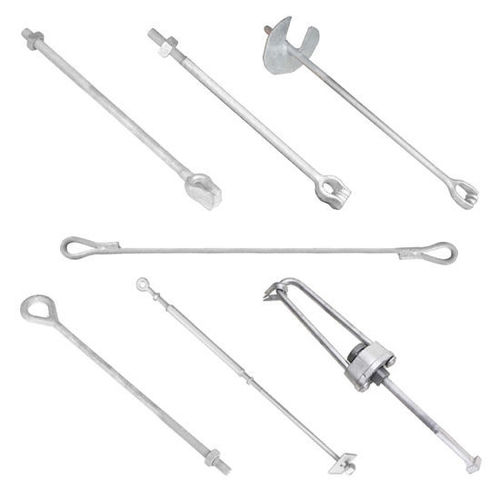
- Structural stability—stay rods provide mechanical support by resisting lateral and tensile forces that act on tanks and pipelines. They hold structural elements in position under operational and environmental loads.
- Load distribution and tensile force transfer—stay rods transfer tensile forces from structural members. They help distribute loads generated by fluid pressure, thermal expansion, and dynamic operations. Stay rods protect structural connections from direct stress concentrations by sharing load forces through tensioned rod systems.
- Anchoring infrastructure components—stay rods anchor connections that tie structural elements to foundations. They ensure secure storage tanks, piping, and mooring points.
- Vibration and dynamic load mitigation—oil and LNG handling structures face vibrations from pumps, compressors, and fluid sloshing. Stay rods dampen and control dynamic loads by constraining movement.
- Supporting high-pressure components and pumps—stay rods connect power and fluid ends of heavy pumps to maintain correct spacing and alignment under mechanical forces.
Consequences of heightened investment in oil and gas extraction in Argentina.
Investments in the oil and gas sector influence production growth, cost efficiency, export potential, and sustainable energy security. The rise in capital investment in Vaca Muerta and LNG infrastructure affects the hydrocarbon value chain. Investments enhance Argentina’s status as an energy producer and offer greater economic and strategic benefits. The impacts are as specified as follows.
- Growth in oil production—investment in upstream projects resulted in higher oil yields from Vaca Muerta. Capital allocation allows operators to drill extended laterals, enhance hydraulic fracturing plans, and decrease cycle durations.
- Increase in natural gas supply for LNG—investment allocated to gas-centric drilling, gathering pipelines, compression stations, and processing facilities enhanced dependable feedstock accessibility for liquefaction.
- Midstream infrastructure as a facilitator of production—investments in pipelines, storage units, and export terminals release production potential. Oil pipelines lower transportation expenses, while increased gas transmission networks enable larger quantities to access domestic demand hubs and LNG facilities.
- Reducing costs and enhancing operational efficiency—investing in advanced equipment, digital monitoring systems, and electrification aids in lowering operational costs. It additionally encourages predictive maintenance, automation, and the development of dependable power infrastructure backed by stay rods.