
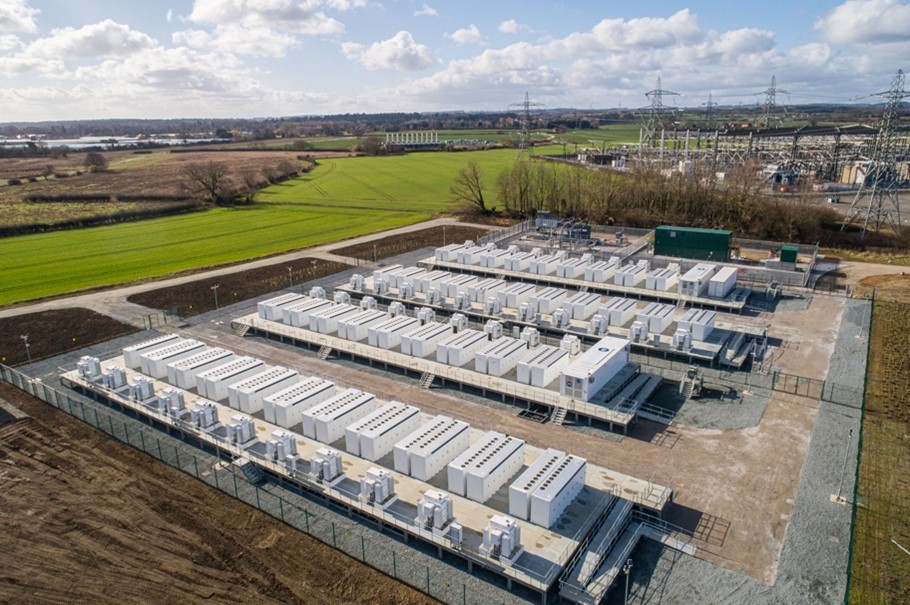
Korkia, a Finnish renewable energy investor, and its Chilean development partner, Solar Ray, have secured environmental approval for a 150MW/750MW BESS project in the Santiago Metropolitan Region. This project was approved by the regional environmental permitting authority according to the companies’ permit filing posted on Chile’s E-SEIA platform. These two companies plan to invest $90 million in the battery and launch construction in June 2027. The BESS project will draw and store surplus electricity flowing into the substation and feed it back to the grid. It will also consist of the installation of 150 containers of up to 5 MWh each and the construction of a 33/110 kV step-up substation. Large-scale BESS installations like this project support Chile’s transition to high renewable penetration. It helps absorb solar overproduction and release it during evening peaks. The construction, commissioning, and maintenance phases of BESS use anchor shackles.
Forged steel shackles provide a secure, load-rated connection point between the crane hook and the container. Anchor shackles serve with chain binders or tensioners to fasten the containers onto flatbed trailers. The shackles secure auxiliary equipment like transformers and HVAC units to transport vehicles. They ensure the equipment does not shift during transit over the Andean passes. The shackles serve with chain binders or tensioners to fasten the containers onto the flatbed trailers. During the construction of the BESS project, anchor shackles connect guy wires to ground anchors or concrete deadmen to stabilize the structures. Anchor shackles connect the lifelines to structural steel anchor points.
Quality assurance for anchor shackles used in BESS projects in Chile
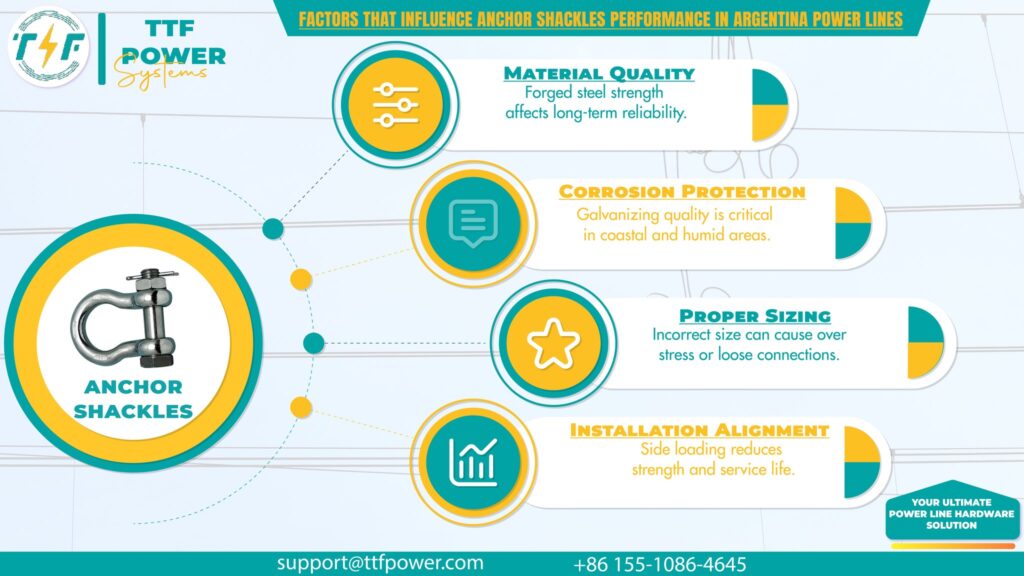
Anchor shackles serve in lifting operations, seismic restraints, structural tie-downs, and cable support assemblies. The integrity of the anchor shackles is crucial for heavy battery containers, transformers, inverters, and steel frameworks. Adopting a structured quality assurance framework addresses mechanical performance, traceability, corrosion resistance, and seismic resilience. The assurance process includes specifications controls, material inspection and verification, mechanical and structural testing, and installation quality assurance. Anchor shackles may experience quality failures such as material non-conformance, inadequate heat treatment, proof load test failures, surface cracking, corrosion failure, and thread and pin failures. Poor-quality shackles in a BESS facility result in equipment damage during installation, structural instability, delays in commissioning, regulatory non-compliance, and increased insurance and liability exposure. Enhancing quality assurance for anchor shackles ensures structural safety, compliance, and asset reliability.
Functions of the anchor shackles in BESS project development in Chile
Forged steel anchor shackles perform structural, mechanical, and safety-critical roles in Chile’s BESS project development. The shackles act as primary mechanical connectors within lifting, anchoring, and restraint systems. Use of containerized battery systems needs secure installation and structural stability from anchor shackles. Here are the functions of the anchor shackles in the BESS installation.
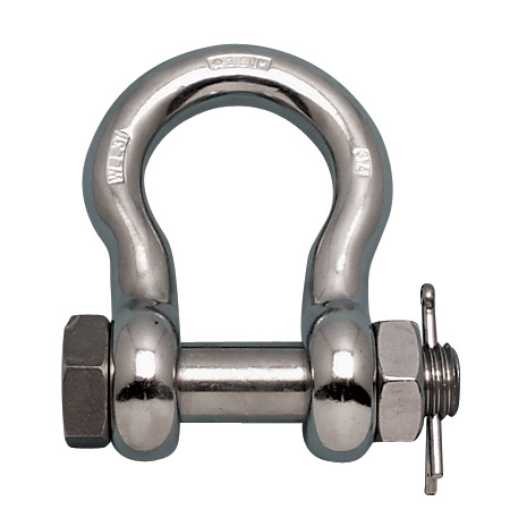
- Lifting and rigging during construction—anchor shackles connect lifting slings to lifting lugs, an interface between crane hooks and rigging assemblies. The shackles must maintain a specified working load limit, an adequate safety factor, and resistance to deformation under proof load.
- Structural tie-down and foundation anchorage—anchor shackles integrate into tie-down systems, securing battery containers to concrete foundations and structural bracing assemblies. Steel shackles transfer tensile forces from equipment, absorb dynamic loads, and provide a detachable, secure mechanical interface.
- Cable management and mechanical support—BESS facilities have medium voltage cable trays, DC string cabling, and auxiliary power conduits. Anchor shackles serve within suspended cable tray systems, tensioned support assemblies, and maintenance lifting systems for heavy conductors.
- Load distribution and alignment control—shackles balance load distribution, prevent side-loading, and provide articulation to reduce bending stress.
Policy changes supporting BESS project development in Chile
Chile’s policy environment for BESS development has evolved with regulatory reforms, market incentives, and legal frameworks. These aim to integrate storage into the power system, enhancing grid flexibility, and attracting investment. These changes are crucial for developers, investors, and grid operators assessing the viability of large-scale BESS projects like the 150MW/750MWh system in Chile. Chile’s energy storage and electromobility law establishes a formal regulatory definition of energy storage and market participation rights for BESS. This change allows standalone storage to compete alongside generation and demand assets in electricity markets, improve investment signals, and improve financial viability. Chile’s Ministry of Energy is updating key regulatory instruments governing grid operations. This will reduce curtailment of intermittent renewables and legitimize BESS in economic planning.