
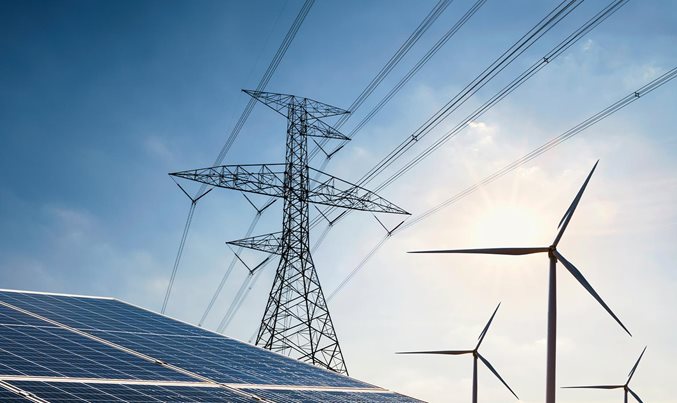
Aurora’s simulations show that a significant El Niño episode in late 2026 might push total curtailment in Brazil to 25%, with solar PV curtailment hitting 40% and onshore wind at 21%. This occurrence might exacerbate the limitation of renewable energy and impact challenges related to grid integration. The growth of renewable energy capacity has surpassed investments in transmission systems. Furthermore, linking these resources distant from the consumption zones requires the growth of high-voltage transmission networks. This growth enhances power transfer capability, diminishes congestion, improves regional balance, and decreases renewable curtailment. To tackle these challenges, Brazil must integrate renewable energy with battery storage to capture surplus solar generation, redistribute electricity during peak demand, lessen transmission congestion, and enhance grid flexibility. Decreasing curtailment depends on transmission and distribution elements like conductors, station post insulators, suspension clamps, and grounding systems. These ensure that electricity produced by renewable sources is transmitted over extended distances.
Station post insulators isolate high-voltage equipment from the ground while providing mechanical support. The insulators serve as bus bar supports and mount equipment like disconnector switches, circuit breakers, and transformers within substations. They provide insulation to prevent short circuits and ensure the safe operation of equipment. This is important in the deployment of large-scale projects to provide dynamic voltage control. Station post insulators help manage the intermittency of wind and solar power. These insulators have a lightweight design and superior performance in polluted environments.
Quality assurance for station post insulators used in electrical and renewable infrastructure

Station post insulators serve in substations, switchyards, transmission networks, and renewable energy facilities. They provide electrical insulation while supporting energized conductors, busbars, disconnect switches, and circuit breakers. Conducting quality assurance ensures long service life, grid reliability, and personnel safety. QA ensures the insulators maintain high dielectric strength, withstand mechanical loads, and prevent flashovers and insulation failures. Quality assurance for the insulators covers raw material inspection, dimensional inspection, mechanical strength testing, and electrical performance testing. High-quality insulators support safe operations in solar PV substations, wind farm collector substations, BESS, hydroelectric plants, and grid interconnection substations. They also reduce insulation failures and maintenance needs and enhance grid stability.
Importance of station post insulators in Brazil’s renewable and grid integration infrastructure
Station post insulators provide electrical insulation and mechanical support for high-voltage equipment that enable safe transmission of renewable electricity into the grid. The insulators support energized conductors, busbars, disconnect switches, current transformers, voltage transformers, and circuit breakers. Here are their key roles in the infrastructure.
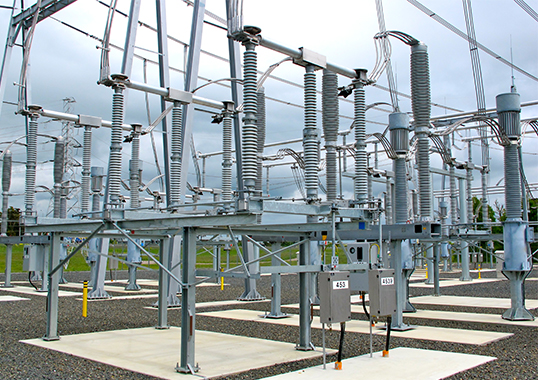
- Supporting high-voltage busbars—station post insulators provide rigid mechanical support, maintain required electrical clearances, and prevent phase-to-phase faults.
- Isolating high-voltage equipment—the insulators provide electrical insulation between energized equipment and grounded structures. They isolate circuit breakers, disconnect switches, capacitor banks, and busbar assemblies.
- Supporting renewable energy collector substations—station post insulators support equipment in solar PV plants, wind farms, hydroelectric stations, and BESS. They ensure stable transfer of electricity from renewable generation assets to transmission networks.
- Improving grid reliability—the insulators help maintain reliable grid operation. They do so by preventing insulation failures, reducing flashovers, and maintaining equipment spacing.
- Supporting smart grid infrastructure—the insulators provide reliable insulation for intelligent switchgear, digital substations, and protection systems.
How El Niño raises energy limitations in Brazil
El Niño changes Brazil’s climate patterns and impacts renewable energy production, electricity consumption, and power system management. These alterations may decrease electricity production from renewable energy facilities because the grid cannot take in the available generation. El Niño may exacerbate transmission limitations as the nation increases its wind and solar energy capacity. This is how El Niño raises energy reductions in Brazil.
- Enhanced solar PV output—this phenomenon leads to drier and more sunny weather in central, southeastern, and northeastern Brazil. This leads to elevated solar irradiance, extended durations of clear skies, and greater PV electricity generation.
- Transmission congestion—many of Brazil’s biggest renewable energy initiatives are located far from demand hubs. In El Nino, increased renewable generation may overload transmission lines, leading to transmission bottlenecks.
- Restricted grid adaptability—variations in renewable energy need a flexible power system to align supply with demand. The Brazilian grid continues to encounter challenges with flexible demand-response initiatives, rapid backup generation, and interregional transmission capabilities.
- The growing need for grid stability—high levels of variable renewable energy create operational difficulties. These consist of voltage variations, frequency shifts, and power distribution discrepancies.