
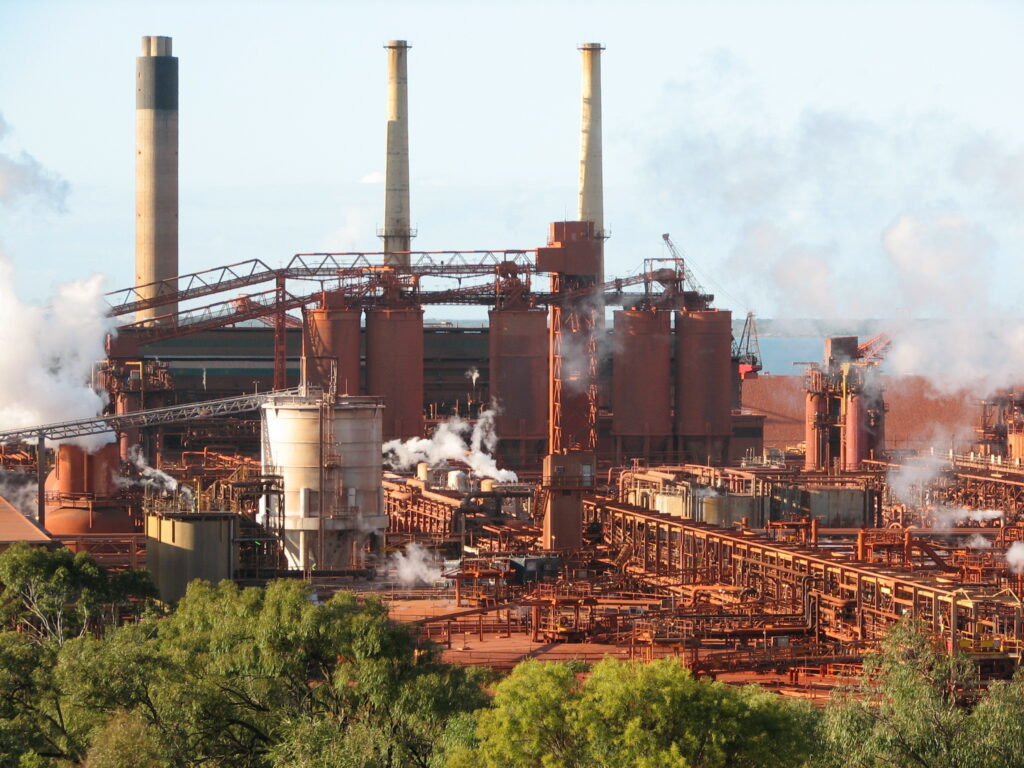
Alumina is a material used in electrical transmission and distribution, renewable energy equipment, construction, and industrial equipment. The refining industry in Brazil connects energy infrastructure, aluminum production, and low-carbon industrial development. The renewable electricity resources in the country provide an opportunity to reduce the carbon intensity of alumina production. However, alumina production in the country was recently reduced to 50% due to disruptions in natural gas availability. The Alunorte refinery has implemented contingency measures to mitigate operational impacts. This includes purchasing spot gas volumes and requesting direct access to the Barcarena LNG receiving and regasification terminal. Alumina refineries create demand for reliable electrical infrastructure, including high-voltage transmission systems, substations, switchgear, cable systems, insulators, and renewable energy interconnections. Using insulated piercing connectors helps create a new electrical connection to an existing insulated power line.
The connectors enable fast, safe, and durable electrical connections that streamline construction and maintenance. This is while ensuring long-term reliability under demanding conditions. Its design uses sharp, hardened teeth to penetrate the cable insulation when the shear-heat bolt is tightened. This reduces the chance of nicking the conductor, which creates hot spots. Insulated piercing connectors have the ability to connect aluminum to aluminum, copper to copper, and aluminum to copper. In the alumina refineries, the IPCs create branch connections for large motors, pumps, and process equipment from the main distribution lines without disruptions. The refineries also integrate solar arrays or wind power for on-site energy. The insulated piercing connector connects the panel strings to combiner boxes and inverters.
Quality assurance for insulated piercing connectors used in alumina refineries in Brazil
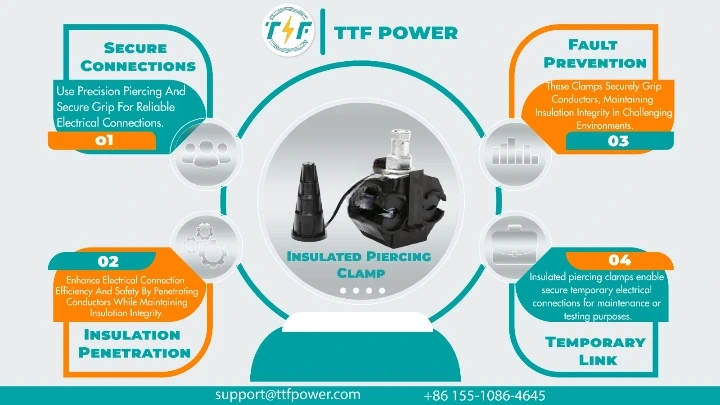
Insulated piercing connectors establish electrical connections to insulated conductors without removing the cable insulation. Alumina refineries rely on these connectors to prevent increased contact resistance, localized heating, insulation damage, or service interruption. Conducting quality assurance for the connectors ensures they meet their specified mechanical, electrical, thermal, environmental, and dimensional requirements. The QA process covers material quality control, dimensional and manufacturing inspection, electrical performance testing, mechanical quality assurance, and dielectric integrity. It also covers corrosion resistance, thermal performance, and quality assurance during installation. Quality assurance for the insulated piercing connectors is crucial since they serve in intensive alumina facilities. A failure in the connector can lead to electrical faults, localized overheating, equipment trips, unplanned maintenance, production interruptions, and higher maintenance expenses. QA is also important where IPCs integrate into solar, wind, battery storage, and distribution interconnection systems serving industrial facilities.
Functions of the insulated piercing connector in alumina refineries
Insulated piercing connectors establish electrical connections to insulated conductors without stripping the cable insulation. They serve in alumina refineries that depend on extensive electrical systems for motors, pumps, instrumentation, auxiliary equipment, and increasingly electrified process equipment. Here are their key functions in alumina refineries in Brazil.
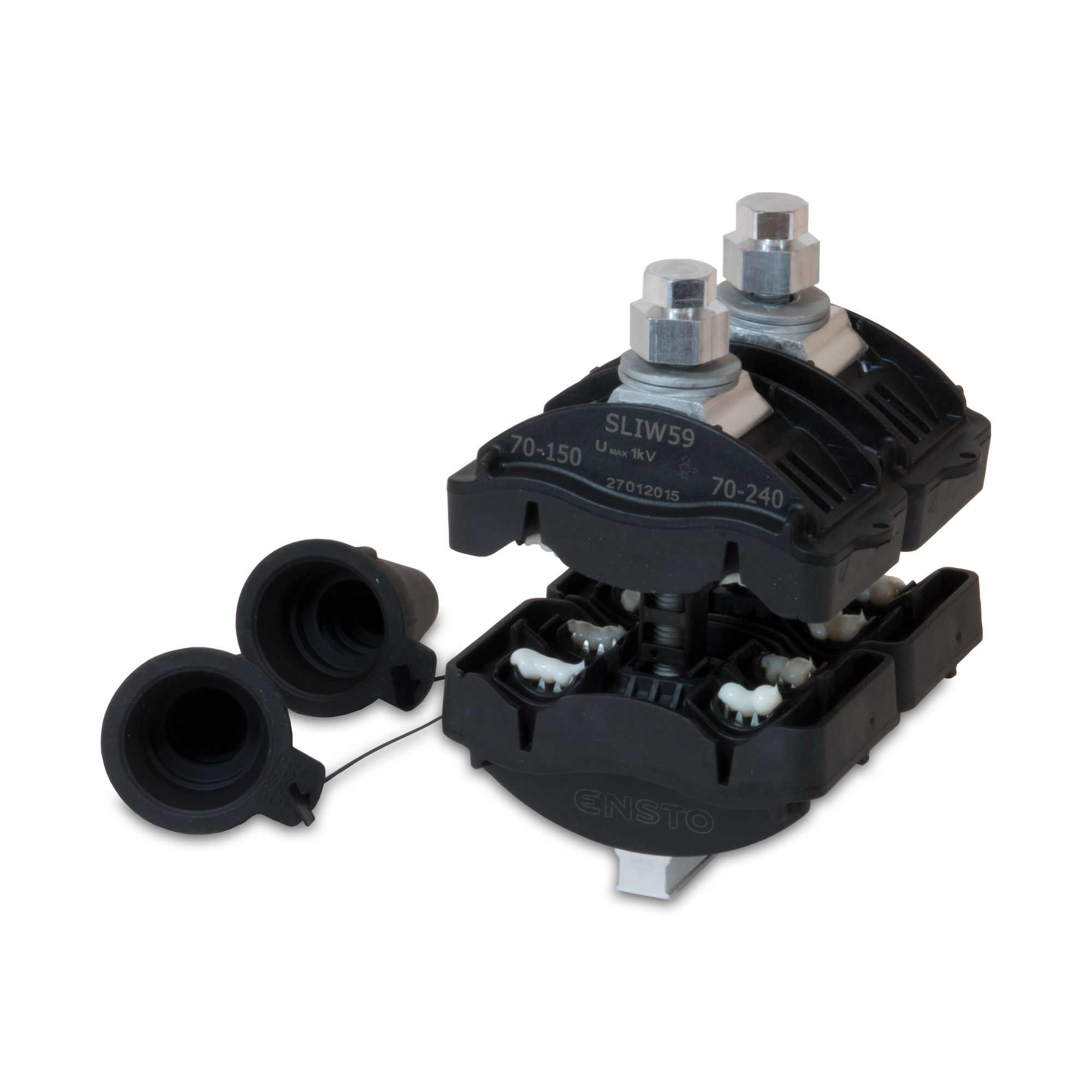
- Establish electrical connections without stripping insulation – the IPC penetrates the insulation of a suitable insulated cable and establishes electrical contact with the conductor.
- Creating tap and branch connections—insulated piercing connectors create tap-off or branch connections from suitable insulated distribution cables. They support connections supplying motors, lighting circuits, control equipment, distribution panels, and instrumentation systems.
- Maintain electrical continuity – an IPC provides a controlled conductive path between the main conductor and the branch conductor. A poor connection increases contact resistance, generates localized heating, and causes electrical failure.
- Reduced installation complexity – the connector makes installation simpler than conventional methods. This helps reduce installation time, cable preparation, exposure of conductors during installation, and maintenance intervention time.
Role of alumina in Brazil’s energy sector value chain
Alumina is produced by refining bauxite through the Bayer process and then serves as the feedstock for primary aluminum production. Brazil has plenty of bauxite resources that make the alumina industry important in the region. Here is its role in the energy sector.
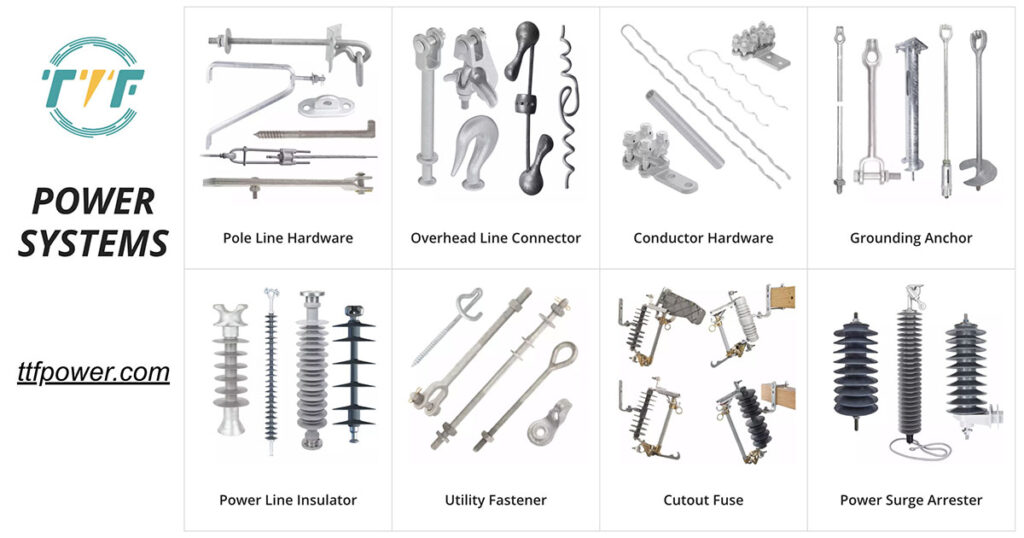
- Connecting bauxite to aluminum production – alumina creates the intermediate stage between bauxite extraction and aluminum smelting. This integration allows energy, raw materials, transportation, and industrial infrastructure to support the value chain.
- Creating demand for energy—the refining process demands energy for digestion, evaporation, and calcination. The refining production depends on reliable and competitively priced energy.
- Strengthening renewable energy integration – renewable energy helps reduce the carbon intensity of energy-intensive alumina and aluminum production.
- Supporting electricity transmission and distribution—aluminum serves as electrical conductors because of its conductivity and low weight. Therefore, alumina supports the supply of materials needed for transmission lines and distribution networks.