
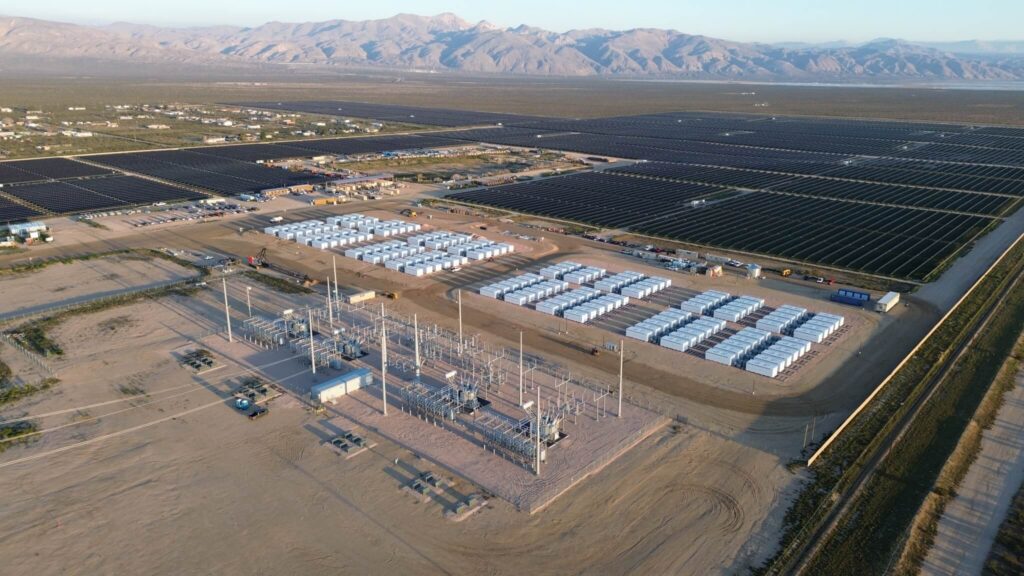
Acciona Energy announced plans to build a 196 MW/980 MWh battery energy storage system at its 246 MWp El Romero solar plant in Chile. The system will optimize renewable energy management, shift solar generation, improve grid stability, and strengthen security of supply in the local electricity system. The BESS will also integrate with the solar generation, transmission, control, and energy management infrastructure. This will be crucial to create a highly flexible renewable energy asset. The integration process involves collecting excess solar energy from the PV arrays, converting generated DC power into grid-compatible AC power, charging battery modules, and storing energy. This integration will reduce transmission interconnection costs, speed up faster project development, and lower environmental footprint. Acciona energy will maximize the existing solar plant while reducing extra construction requirements. These connections uses the secondary deadend clevis to link and provide secure attachment points within the network.
Secondary deadend clevises creates a mechanical linkage between heavy insulators and structural supports. It ensures the insulators that hold live conductors are attached to the plant’s infrastructure. The deadend clevis helps absorb and distribute dynamic mechanical stresses from winds and thermal expansion and contraction. They prevent localized stress points that could damage conductors or insulators. Its clevis design allows for articulation between rigid structures and moving cables. It also helps dampen micro-vibrations that travel through conductors. This helps reduce metal-to-metal fatigue and prevent insulation from cracking. The clevis prevents conductor failure by providing durable and secure connections. It ensures that the high-capacity power evacuation from the BESS to the grid remains intact.
Quality assurance for secondary deadend clevis used in BESS and solar integration projects in Chile
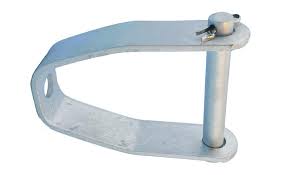
In projects like the Acciona Energy’ solar plus storage development, the secondary deadend clevis serves in transmission and distribution line fitting. It secures conductors, ground wires, and other hardware under mechanical tension. Conducting quality assurance helps ensure long-term reliability, safety, and grid performance. QA ensures the clevis meet specified mechanical load requirements, maintain structural integrity, and resist corrosion in desert and coastal environments. The process includes raw material verification, dimensional inspection, mechanical strength testing, and non-destructive testing. During manufacturing, quality assurance controls include forging temperature monitoring, heat-treatment validation, machining accuracy control, tool wear management, and surface finishing inspection. Quality assurance ensure the clevises can withstand the demanding operating conditions of large-scale renewable energy infrastructure. This is while providing the reliability, safety, and service life for modern solar-plus-storage power systems.
Functions of the secondary deadend clevis in solar-plus storage projects
The secondary deadend clevis provides a secure mechanical connection between conductors, insulators, and support structure. It helps ensure the reliable transfer of electricity from renewable energy facilities to the grid. Here are their functions in the BESS and solar PV integration infrastructure in Chile.
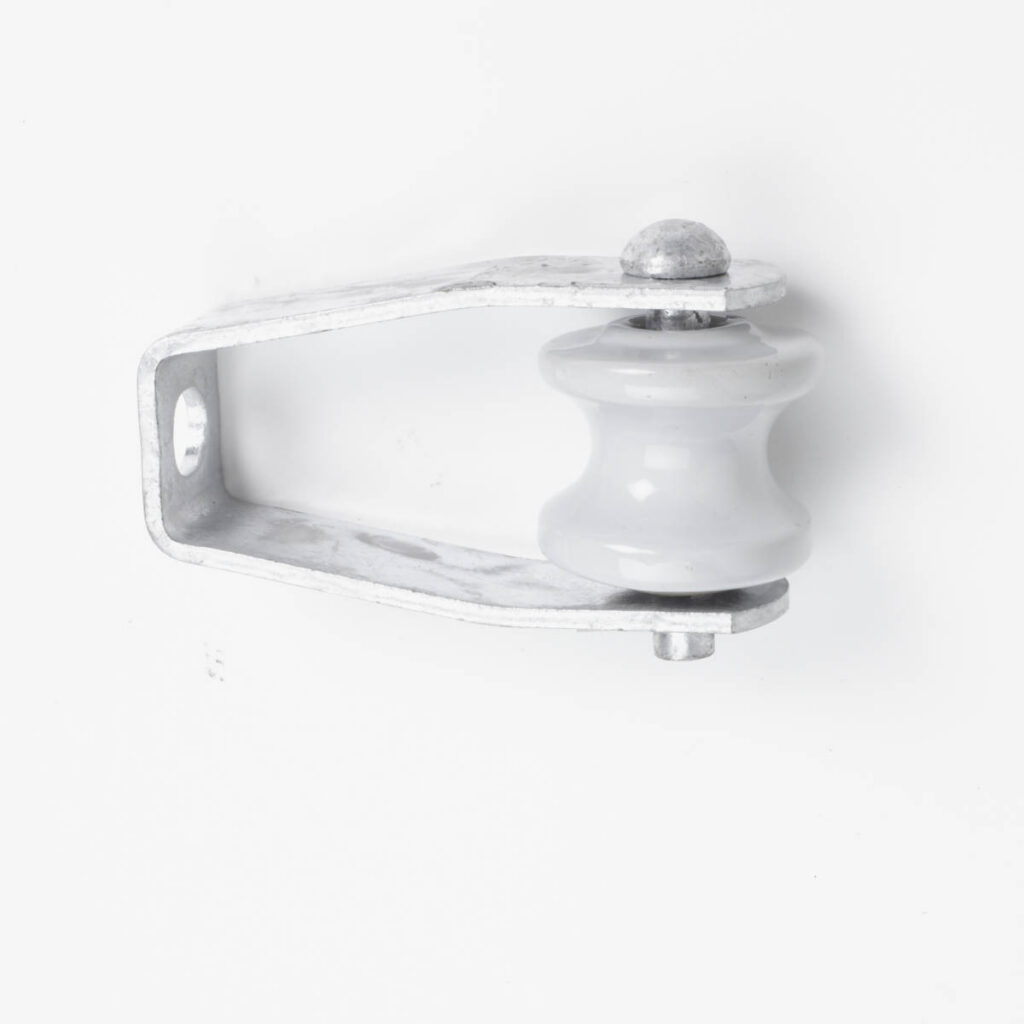
- Providing secure conductor termination – the deadend clevis connects deadend assemblies to insulator strings and support structures. The clevis anchors conductors under tension, maintains mechanical stability of transmission lines, and prevent conductor slippage.
- Transferring mechanical loads – the secondary deadend clevis transfers the loads from conductor assembly to insulator strings, poles and towers, and substation support structures. The clevis prevents excessive stress on individual components.
- Supporting solar and BESS grid integration – the clevises contributes to grid integration by securing overhead conductor connections and supports transmission line reliability.
- Maintaining insulator string alignment – the deadend clevis helps maintain correct positioning of insulator strings, prevent excessive bending stresses, and improve assembly performance.
BESS project supporting Chile’s renewable growth and grid reliability
Acciona’s Energy planned BESS system at the El Romero solar plant represents a significant step in Chile’s transition toward a cleaner electricity system. Large-scale battery storage is crucial for maintaining grid stability and maximizing the value of solar generation. Here are its roles in renewable growth and grid reliability in Chile.
- Reducing renewable energy curtailment – the El Romero BESS will store excess solar energy, reduce curtailment of photovoltaic generation, and improve use of renewable energy assets.
- Enabling higher renewable energy penetration – the BESS will help absorb excess renewable energy, release stored energy when renewable output declines, and supports integration of renewable projects.
- Improving grid reliability – the battery system responds to changing conditions to stabilize frequency, support voltage regulation, and reduce power fluctuations.
- Supporting transmission network efficiency – the BESS will help reduce challenges related to congestion. This is through storing electricity, reducing pressure on transmission lines, and optimizing use of existing grid infrastructure.