
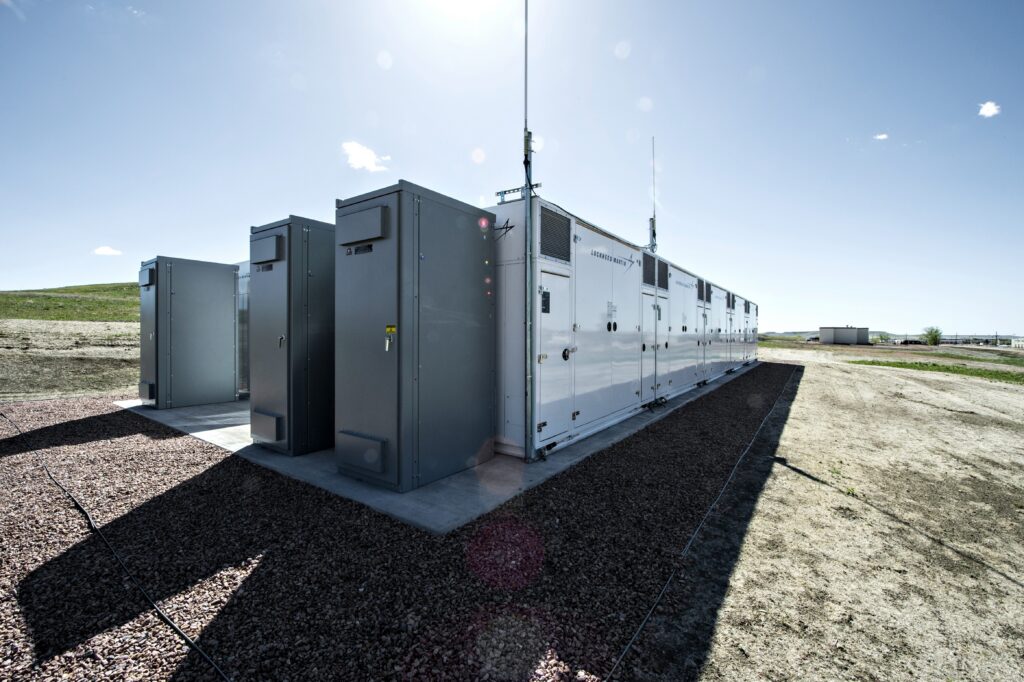
ContourGlobal recently announced the start of operations of battery energy storage systems at the Victor Jara hybrid plant in Tarapaca, Chile. The plant is capable of delivering 6.5 hours of continuous power output. The project is paired with an on-site 231 MWp solar PV plant where the storage system enables the delivery of up to 200 MW of energy. This places it among the longest-lasting utility-scale BESS storage projects in South America. However, higher renewable penetration creates challenges for grid operators because solar and wind output fluctuate based on weather conditions. The Victor Jara helps balance supply and demand, reduce curtailment, and enhance grid stability. The project shows how storage can enable greater integration of renewable energy. The interconnection between the solar park and the BESS depends on components such as the secondary clevis.
The secondary clevis is a specialized component that secures connections, provides insulation, and ensures structural stability within the power infrastructure. Secondary clevises secure connecting links between line insulators and other support structures. This ensures that the insulators that hold live electrical conductors are attached to the plant’s structural supports. The clevis allows for articulation between rigid structures and conductors. This flexibility helps absorb mechanical loads and stresses caused by high winds and thermal expansion and contraction. Additionally, the secondary clevis prevents the conductor from falling, averting power outages and safety hazards.
Quality assurance for secondary clevis used in solar and storage plants in Chile
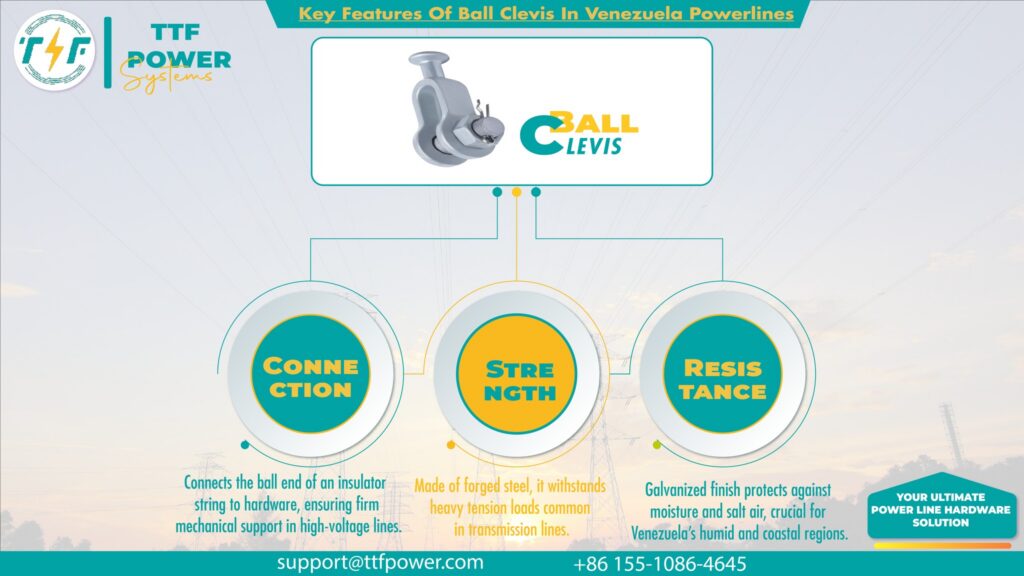
Quality assurance for secondary clevis allows them to serve as mechanical connectors within transmission and distribution infrastructure. Failure of the secondary clevis can lead to power outages, equipment damage, safety risks, and maintenance. Quality assurance is crucial through manufacturing and installation of the secondary clevis. The process includes material verification, forging and manufacturing inspection, mechanical load testing, quality control, and non-destructive testing. By implementing QA procedures, project developers can ensure reliability, enhance grid stability, and maximize the life of renewable energy infrastructure in Chile’s demanding environmental conditions.
Functions of the secondary clevis in solar PV and BESS hybrid plants in Chile
Secondary clevis ensures the reliability and safety of power transmission and distribution infrastructure. It provides secure mechanical connections between insulators, conductors, and support fittings. The Victor Jara solar-plus-storage plant expansion needs secondary clevis fittings to help maintain the integrity of the electrical network transporting power from generation facilities to substations and the national grid. Here are their functions in the plant.
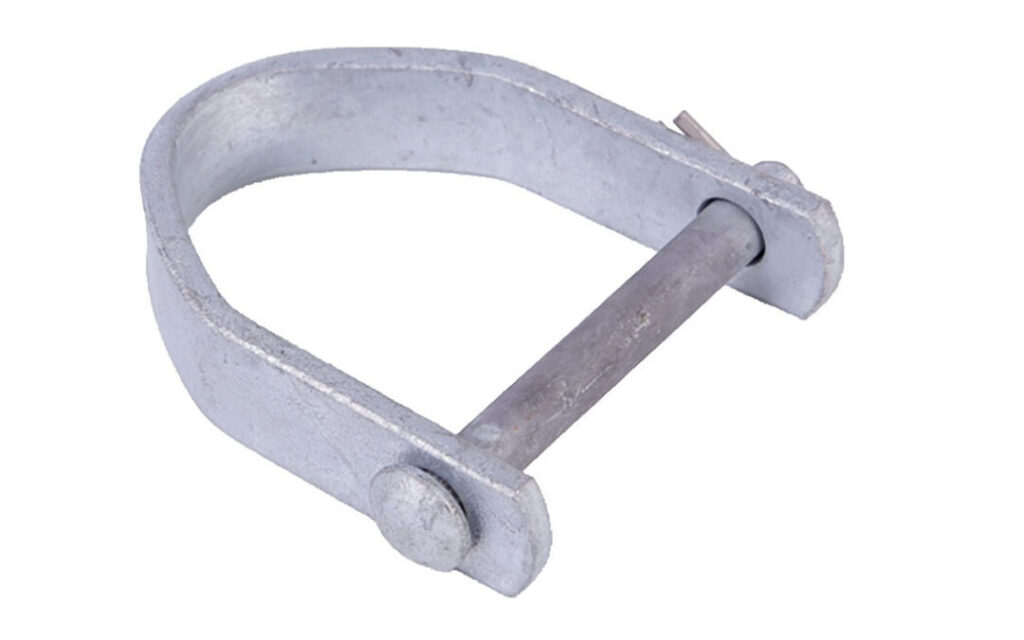
- Connecting insulator assemblies—the clevis creates a mechanical linkage between insulators and line hardware components. The fitting connects suspension insulators, strain insulators, crossarm hardware, conductors, and link fittings.
- Transferring mechanical loads—the secondary clevis distributes loads throughout the insulator string and supporting structure. Load transfer prevents stress concentrations that could damage conductors, insulators, or support hardware.
- Supporting grid reliability—failure in transmission hardware results in power interruptions, reduced energy delivery, and equipment damage. The clevis contributes to grid reliability by providing durable and secure connections in the infrastructure.
- Supporting high-capacity power evacuation—the transmission infrastructure supporting the plant needs hardware that can withstand mechanical loads. The secondary clevis helps maintain the structural integrity of high-voltage transmission lines and collector systems.
- Installation and maintenance—secondary fittings simplify transmission line construction, insulator replacement, hardware upgrades, and routine maintenance activities. They help improve construction efficiency and reduce installation time.
Economic and grid benefits of the Victor Jara project in Chile
The solar plus storage hybrid plant combines large-scale solar generation with long-duration battery energy storage. The integration of a 231 MWp solar PV facility and a 200 MW BESS helps maximize renewable energy value while improving power system reliability. BESS absorbs power faster, which helps grid operators maintain system balance. The Victor Jara BESS contributes to frequency regulation, voltage support, load balancing, and renewable integration. This improves grid stability and helps operators manage fluctuations in renewable generation and electricity demand.
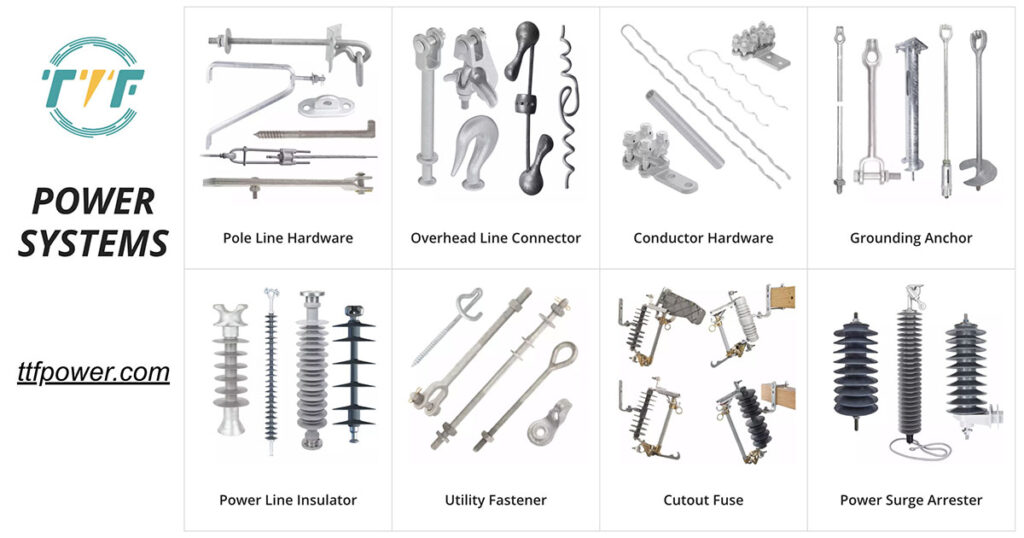
Additionally, large-scale storage can help reduce congestion on transmission networks by storing excess generation and releasing it when needed. This reduces stress on grid infrastructure and can postpone upgrades to transmission lines and substations. Using secondary clevis secures the insulator hardware on power lines linking solar inverters and battery storage to the electrical network. The clevises serve in auxiliary connections or lower-current busbar links in battery racks. The construction of the clevis helps dampen micro-vibrations that travel through conductors. This reduces metal-to-metal fatigue and protects insulation from cracking.