
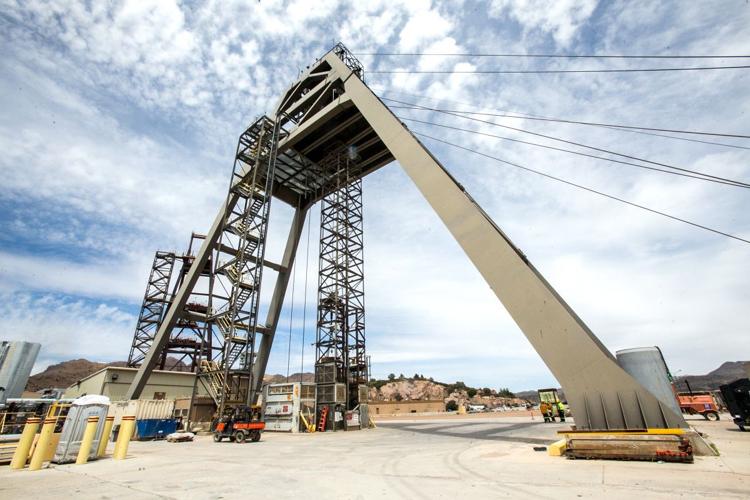
Argentina possesses significant untapped copper reserves located under the High Andes Mountain range. The deposits hold significance as copper is essential for electrification technologies such as electric vehicles, renewable energy systems, battery infrastructure, and power transmission networks. Significant copper endeavors in Argentina consist of the Josemaria project, the Los Azules project, and the El Pachón project. Copper obtained from these projects boosts smelting and refining sectors, manufacturing supply networks, power infrastructure growth, and transportation investments. Mining in the Andes encounters technical and ecological obstacles, such as high-altitude environments, transport infrastructure, and environmental fragility. Therefore, mining firms need to tackle water management, glacier preservation, waste containment, and emissions reduction. Copper enables smart grids, high-voltage transmission networks, renewable connections, and energy storage solutions. These interconnections depend on quality thimble clevis to guarantee the infrastructure’s stability utilized in copper mining.
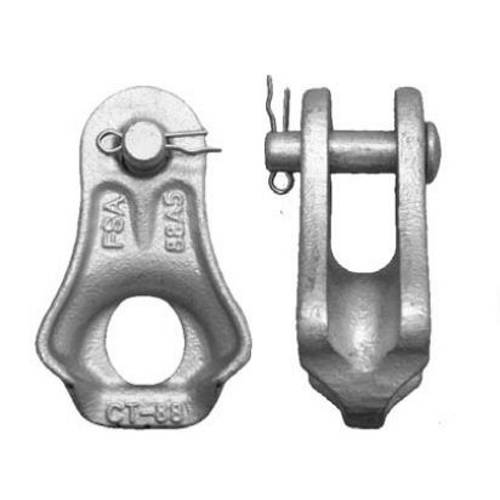
A thimble clevis creates a secure, long-lasting loop at the end of a wire rope. It protects wire ropes from abrasion, provides a strong attachment point for heavy loads, and ensures safety compliance. The thimble is a metal sleeve inserted into a rope to prevent wear and distortion from crushing and friction. The clevis is the U-shaped metal body with pin holes that connect the rope to machinery. A thimble clevis creates a smooth bearing surface to shield the rope from sharp edges and prevents strand breakage that leads to failure. Copper mining demands hardware that withstands dust, moisture, and heavy vibration. Thimble clevises prevent cable failure, reduce the frequency of rope replacements, and are suitable for personnel hoists, conveyor systems, and drag cables.
Quality assurance for thimble clevis used in copper mining in the Andes
A thimble clevis serves in overhead line systems, suspension assemblies, guying systems, lifting applications, and cable support structures within copper mining infrastructure. Quality assurance ensures the thimble clevis maintains structural integrity, operational safety, and long-term durability. The process includes raw material inspection, dimensional accuracy testing, mechanical load testing, manufacturing quality control, and corrosion protection inspection. Quality assurance prevents fractures from poor forging, pin deformation, improper galvanization, misalignment issues, fatigue cracking, and loose mechanical connections. These failures can affect operational safety and infrastructure reliability. Quality assurance for thimble clevises provides extended service life, improved operational safety, reduced maintenance frequency, better structural reliability, and increased resistance to harsh mining environments. These practices ensure that the components can withstand the harsh demands of mining environments. The practices reduce failures, improve infrastructure stability, and support efficient copper mining operations.
The roles of the thimble clevis in copper mining infrastructure in Argentina
The thimble clevis supports energy distribution, communication systems, and heavy industrial operations. They provide secure mechanical connections that improve stability, durability, and safety of mining infrastructure operating in harsh environments. Here are the roles of thimble clevis in copper mining infrastructure in Argentina.
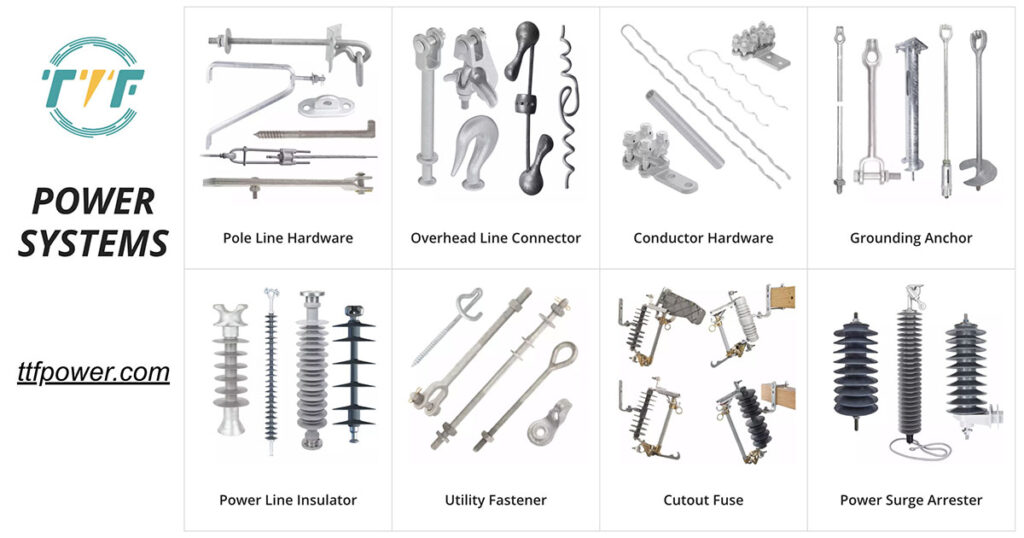
- Supporting overhead power transmission systems—Thimble clevises connect insulators, suspension hardware, guy wires, conductors, and pole line fittings. They help maintain stable transmission networks that supply power to mining facilities.
- Providing mechanical load distribution—the clevis distributes tensile forces across connected components. It reduces stress concentration and reduces the risk of cable damage, connector deformation, and structural failure.
- Protecting cable loops and guy wire assemblies—thimble clevises work with thimbles to protect wire rope loops and guy wire terminations.
- Supporting renewable energy integration—thimble clevises serve in renewable energy transmission infrastructure to support conductor suspension and cable tension systems. They help improve grid reliability, connect renewable energy facilities, and support energy transition goals.
Significance and applications of copper in Argentina’s energy industry
Copper plays a vital role in Argentina’s energy sector as the nation increases renewable production, upgrades the grid, and conforms to worldwide electrification trends. Transmission, renewable integration, and electrification projects depend on copper for its electrical and thermal conductivity, resilience, and resistance to corrosion. Below are the typical applications of copper within the energy industry.
- Renewable energy systems – Copper plays a vital role in generators of wind turbines, wiring for solar panels, inverters and power electronics, as well as grounding systems.
- High-voltage power transmission – copper minimizes energy loss in transmission and enhances grid efficiency across extensive distances. It is essential in conductors, substation cabling, transformers, switchgear, and grounding and earthing systems such as the thimble clevis.
- Modernizing and expanding the grid—copper is vital for smart grid technologies, digital substations, automated control systems, and equipment for load balancing.
- Electric vehicles – copper plays a vital role in electric motors, battery links, charging systems, and power electronics.