
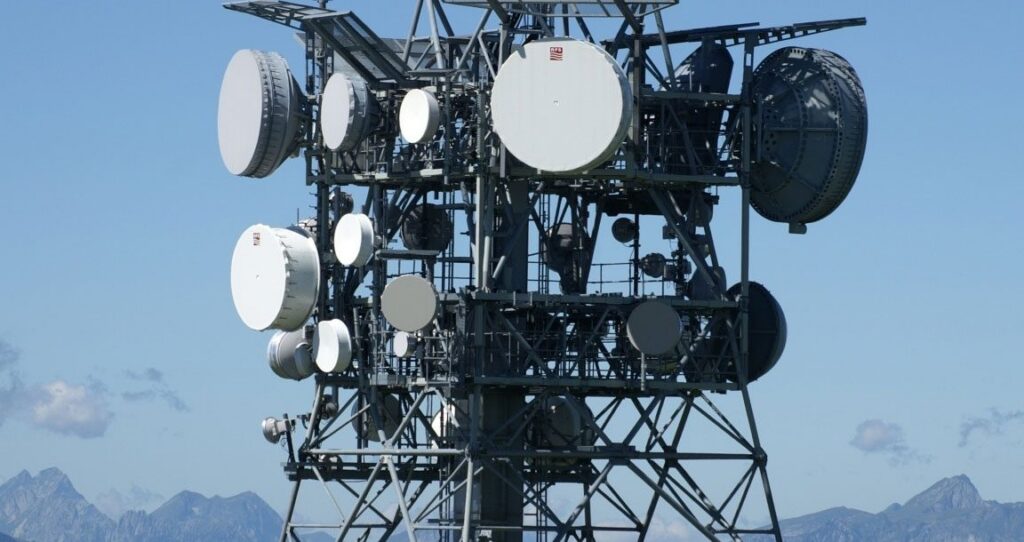
A global leading provider of integrated information and communication technology solutions, ZTE Corporation, announced a breakthrough in the backbone microwave network in Peru. This network is powered by its advanced CoMP (Coordinated Multi-point Space Diversity) solution. Using this network will address the challenges of ultra-long-distance transmission and complex deployment environments. The technology allows transmission over an ultra-long distance of 110 km while reducing the amount of hardware needed. Long-distance microwave links can provide communications between substations, control centers, generation facilities, and remote transmission assets. This is crucial as the country advances 32 electricity transmission projects covering more than 3,800 km of networks. The networks also provide communications pathways between renewable-energy facilities, substations, and grid-control infrastructure. Microwave infrastructure connects with electricity transmission networks as the communication layer. The technology connects separated energy facilities to the wider telecommunications and grid-control network. This integration uses robust components such as parallel groove connectors.
Parallel groove connectors join two parallel electrical conductors on transmission networks. In microwave networks, the connectors ensure the electrical grid that the network monitors and controls operates reliably. Parallel groove connectors create a secure, low-resistance electrical connection between two parallel conductors. They ensure electrical continuity for overhead transmission and distribution lines and substation tap-offs. The grooved design holds the conductors firmly while bolts apply high pressure to create a low-resistance connection that resists vibration and slippage. Microwave networks transmit data that allows control centers to monitor power flow and instantly trip circuit breakers to isolate faults. They maintain the stable power system that the microwave network protects and monitors.
Quality assurance for parallel groove connectors used in backbone microwave networks
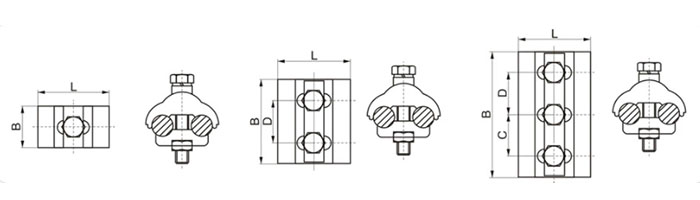
Parallel groove connectors support backbone microwave networks integrated with electricity transmission networks in Peru. In microwave networks, the connectors support their towers, antennas, equipment cabinets, grounding systems, and power infrastructure. Quality assurance for parallel groove clamps helps ensure they maintain electrical continuity, grounding performance, mechanical integrity, and long-term reliability. The QA process for these connectors covers material quality, dimensional accuracy, contact resistance testing, mechanical strength, corrosion resistance, and thermal performance. During installation, technicians verify correct conductor size, correct connector type, clean contact surface, correct conductor positioning, proper bolt tightening, and required installation torque. Backbone microwave networks integrate with Peru’s expanding electricity infrastructure for modernization. Parallel groove connectors serve within the grounding and bonding architecture surrounding communications and electrical assets. Their quality affects the reliability of electrical connections used around microwave towers, antennas, equipment shelters, substations, and transmission facilities.
The importance of parallel groove connectors in backbone microwave networks in Peru
Parallel groove connectors are crucial in grounding, bonding, and maintaining electrical continuity around communication towers, antennas, equipment shelters, and substations. Microwave radios and antennas provide the communication capability needed to connect transmission assets. PG connectors support the grounding and bonding infrastructure surrounding the communication facilities. Here are the roles of the parallel groove connectors in the networks.
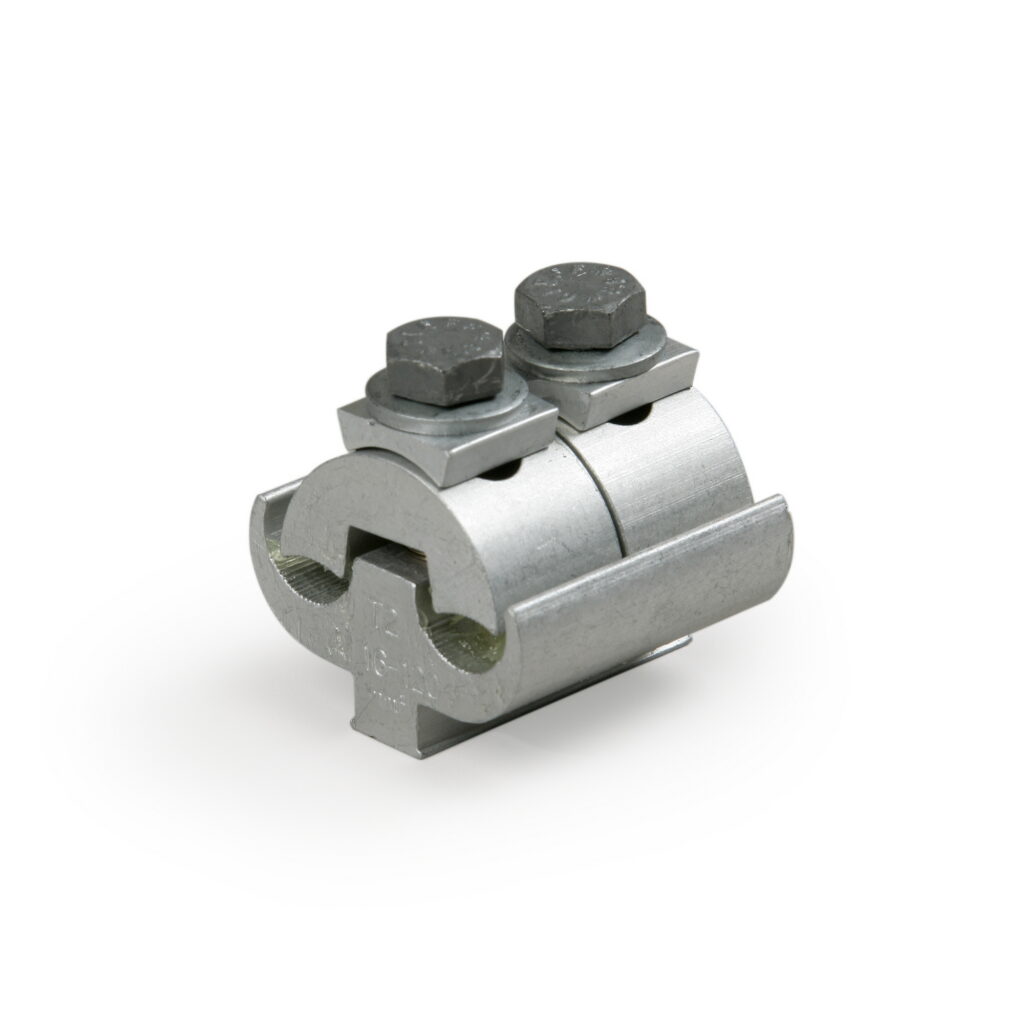
- Supporting grounding connections—microwave towers and communication equipment serve near transmission facilities that need grounding. PG connectors can connect grounding conductors to grounding conductors depending on the system design.
- Improving lightning-current pathways—transmission facilities need carefully engineered grounding and surge protection systems. Parallel groove connectors provide mechanically secure electrical connections within designed bonding and grounding networks. It also helps maintain continuity within the grounding system designed by the electrical engineer.
- Bonding microwave infrastructure—the microwave networks consist of antenna towers, waveguides, equipment racks, outdoor cabinets, cable trays, and power-system components. Parallel groove connectors establish electrical bonding between conductors and metallic components.
- Maintaining electrical continuity—quality parallel groove connectors offer secure mechanical clamping, stable electrical contact, low contact resistance, and resistance to environmental degradation.
Backbone microwave networks supporting transmission expansion in Peru
ZTE’s backbone microwave deployment in Peru adds a high-capacity communications layer to the expanding electricity infrastructure. Here is how ZTE’s backbone microwave deployment supports the networks.
- Providing communications for expanding transmission infrastructure—a backbone microwave network provides connections between substations and control centers. This creates a communications pathway alongside the physical electricity network.
- Enabling better grid monitoring and control—modern transmission networks depend on digital communications to exchange information between field equipment and control centers. It supports systems such as SCADA, remote terminal units, intelligent electronic devices, and substation automation.
- Supporting transmission-grid automation—transmission modernization involves improving the ability to observe, control, and manage the network. This allows operational information from remote facilities to reach network operators.