
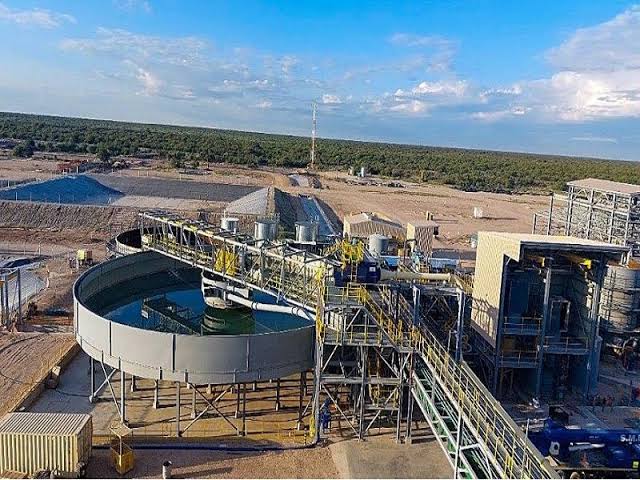
Peru plans to boost annual copper production by about 1 million metric tons through new mining projects. Chinese and US companies are investing amid the competition for critical minerals in South America. The Peru government is committed to reducing 100 permitting requirements across the mining sector to attract these investments. Other than the mineral resources, Peru has mining infrastructure and investment potential to support the expansion of renewable energy, electricity transmission, and modern power distribution networks. To achieve its goals, Peru must address declining ore grades, improve mining efficiency, strengthen electricity infrastructure, and ensure that new mining projects can access reliable and sustainable energy supplies. Copper mining in Peru supports the supply chain needed to maintain solar, wind, and hydropower generation. Copper is also critical in power cables, transformers, switchgear, ground rod clamps, and electrical connectors. These components enable electricity to move from generation facilities to users and commercial buildings.
Copper for ground rod clamps provides superior electrical conductivity and corrosion resistance. Their properties ensure a low-resistance, long-lasting connection essential for safety and system performance. Copper clamps for ground rods ensure a highly efficient transfer of fault currents and lightning surges to the earth. Copper clamps are compatible with copper conductors used in grounding systems. The compatibility prevents the rapid corrosion that occurs with dissimilar metals. This ensures the connection remains mechanically strong and electrically sound. Copper ground rod clamps connect the main grounding electrode conductor to the ground rod. It also bonds sub-panels, HVAC equipment, and other metal enclosures to the grounding electrode system. The clamps also provide a stable reference ground for standby generators and transfer switches.
Quality assurance for copper ground rod clamps in Peru’s electrical system
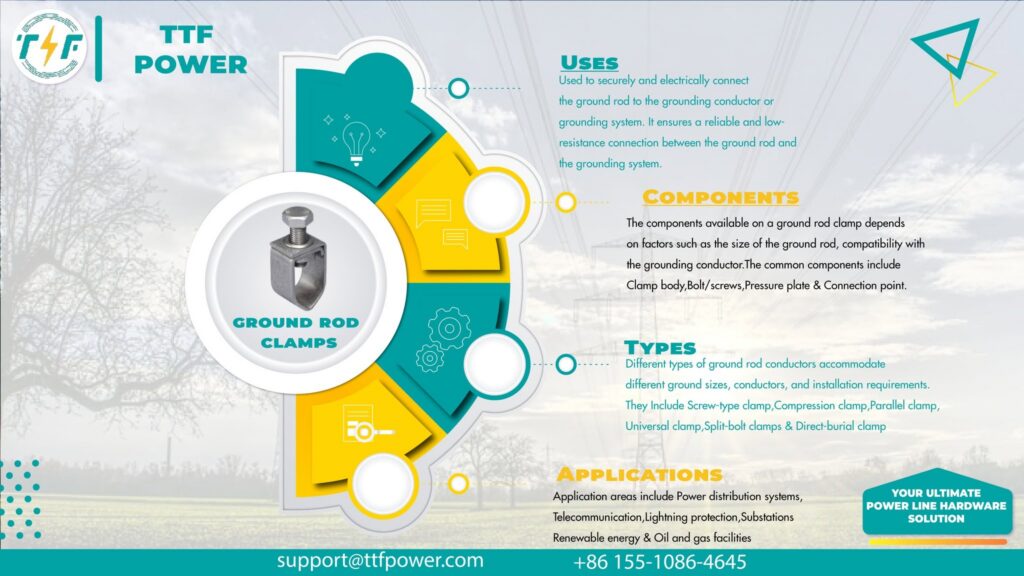
Quality assurance for copper ground rod clamps ensures the safety, reliability, and long-term performance of electrical grounding systems in Peru. As Peru expands copper mining, renewable energy generation, transmission networks, and industrial infrastructure, reliable grounding components protect electrical equipment, personnel, and infrastructure against electrical faults and lightning strikes. Copper ground rod clamps connect grounding conductors to ground electrodes and enable fault currents and lightning-induced currents to dissipate into the earth. The quality of the clamps affects electrical continuity, mechanical stability, and resistance to corrosion. For mining operations, quality assurance must cover material selection, corrosion resistance, and compliance with applicable technical standards. QA should verify material composition, electrical conductivity, corrosion resistance, and material traceability. This ensures the clamps maintain a stable, low-resistance electrical connection between the grounding conductor and electrode under normal operating conditions and during fault events.
The roles of copper ground rod clamps in electrical networks
Copper mining in Peru supports the energy sector by supplying a raw material for electrical conductors, grounding equipment, transformers, and power distribution systems. Ground rod clamps made of copper protect electrical equipment and power infrastructure against fault currents and lightning-related surges. Ground rod clamps ensure that the infrastructure operates safely and efficiently. Here are their key roles in electrical networks.
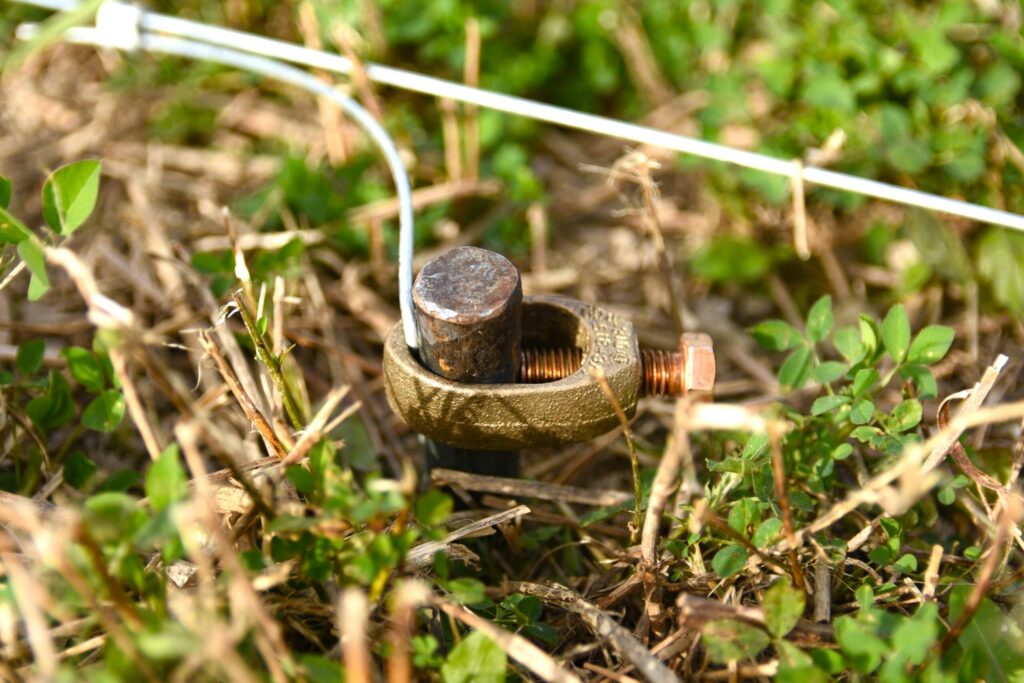
- Providing reliable electrical grounding—ground rod clamps connect grounding conductors to electrodes installed in the soil. The clamps maintain electrical continuity between the grounding conductor and earth electrode.
- Protecting electrical equipment against fault currents—copper clamps establish the conductive connection between grounding conductors and earth electrodes. They support the dissipation of fault currents through the grounding network. The connection reduces dangerous touch and step voltages and supports protective relay and circuit breaker operation.
- Supporting lightning protection systems—ground rod clamps connect lightning protection conductors and grounding electrodes where the installation design specifies their use. The connection supports the movement of lightning-induced current into the grounding network.
- Improving grounding reliability in mining and renewable facilities—ground rod clamps support grounding and bonding connections across mining systems. They secure grounding connections that contribute to equipment protection, operational continuity, and electrical safety.
Impacts of investments in Peru’s copper mining sector as permitting procedures ease
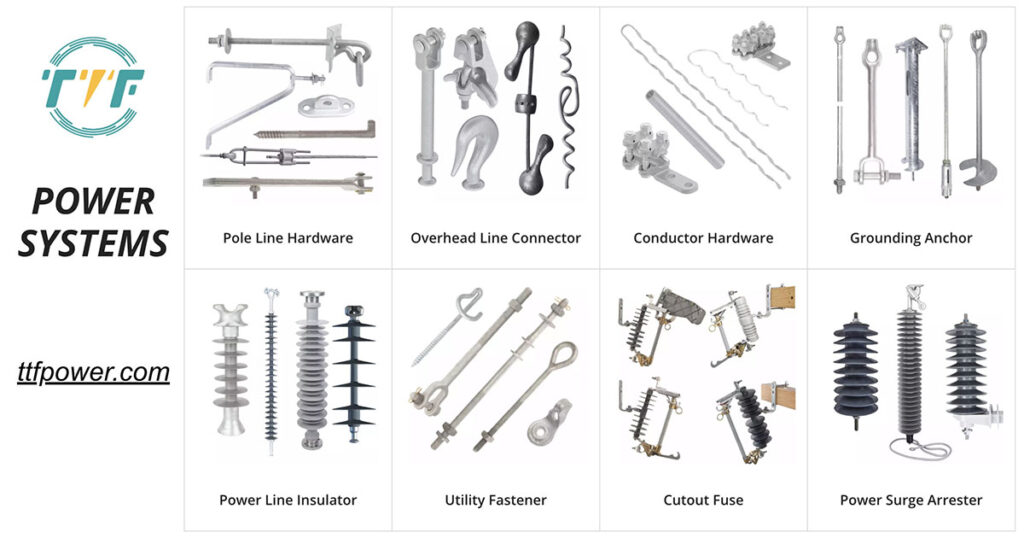
Peru is easing the mining permit requirements that could reshape its copper mining sector by creating opportunities for foreign investments. The Chinese and US investments span different mining assets, financing arrangements, and strategic supply-chain priorities. As Peru seeks to increase copper production by one million tonnes annually, easing permitting procedures could help move mining projects from planning and feasibility studies toward construction and production. The energy and mines ministry has identified 27 permit requirements for potential elimination and another 14 for simplification. This aims to reduce administrative delays while retaining environmental oversight. The relationships between China, the USA, and Peru could help advance new projects and expand existing operations.