
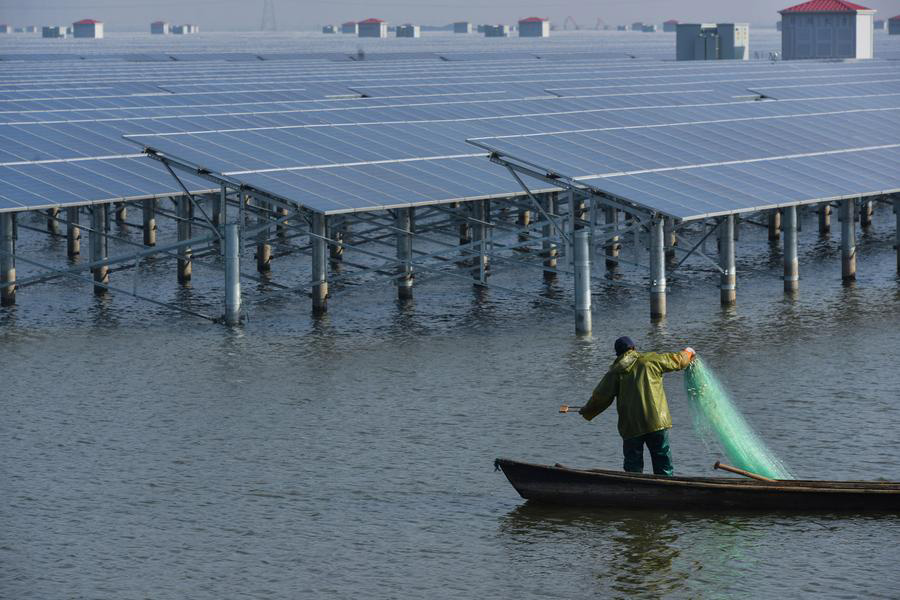
In the Amazon region, the regional coordinator of indigenous peoples of San Lorenzo launched a pilot fish farm on their farm. The system runs on six solar panels providing about 900W connected to batteries that store energy for operations. It powers oxygenation units, freezers, lighting, and other pond-related equipment. Using these technologies is expected to reduce monthly electricity costs. Solar systems reduce the reliance on inaccessible grid power for the Amazon communities. Solar avoids carbon emissions and pollution in the Peruvian energy sector. The solar-powered water systems have improved water quality. Systems with batteries ensure round-the-clock operation and long lifespans. By doing so, Peru is leading a new wave of sustainable aquaculture by integrating solar energy into fish farming. This model combines food security, renewable energy, and community empowerment into a compelling story of local innovation. Helical deadend clamps secure and stabilize the mounting structures for solar panels.
Solar-powered fish farms depend on photovoltaic panels to generate electricity for aeration pumps, filtration systems, and monitoring devices. Helical deadend clamps anchor the supporting cables of solar panel mounting systems. They ensure the systems remain stable under wind, rain, and other environmental stress. In floating aquaculture systems, solar panels are installed on floating platforms. The deadend clamps help secure mooring lines and guy wires to prevent excessive movement that could disrupt solar panel alignment. The clamp provides durable, corrosion-resistant anchoring to withstand long-term exposure to water and weather. Helical clamps provide a quick, tool-free installation compared to concrete foundations. They allow for adjustments and repositioning of solar arrays as necessary.
Functions of helical deadend clamps in solar-powered fish farming infrastructure
Fish farming depends on ground-mounted panel supports and structural elements where helical deadend clamps are crucial. A helical deadend clamp is engineered to anchor or end cables. They spiral around the cable and grip it firmly without damaging the core. Stable cabling ensures continuous power delivery to oxygenation pumps, lighting, sensors, and other critical systems in solar-powered fish farms. Their durable design reduces the need for replacement or repair in off-grid setups. The dead-end clamps secure cable runs, manage tension, withstand rugged terrains, and enable swift, tool-free setup. Here are the roles of helical deadend clamps in solar-powered fish farming in Peru.
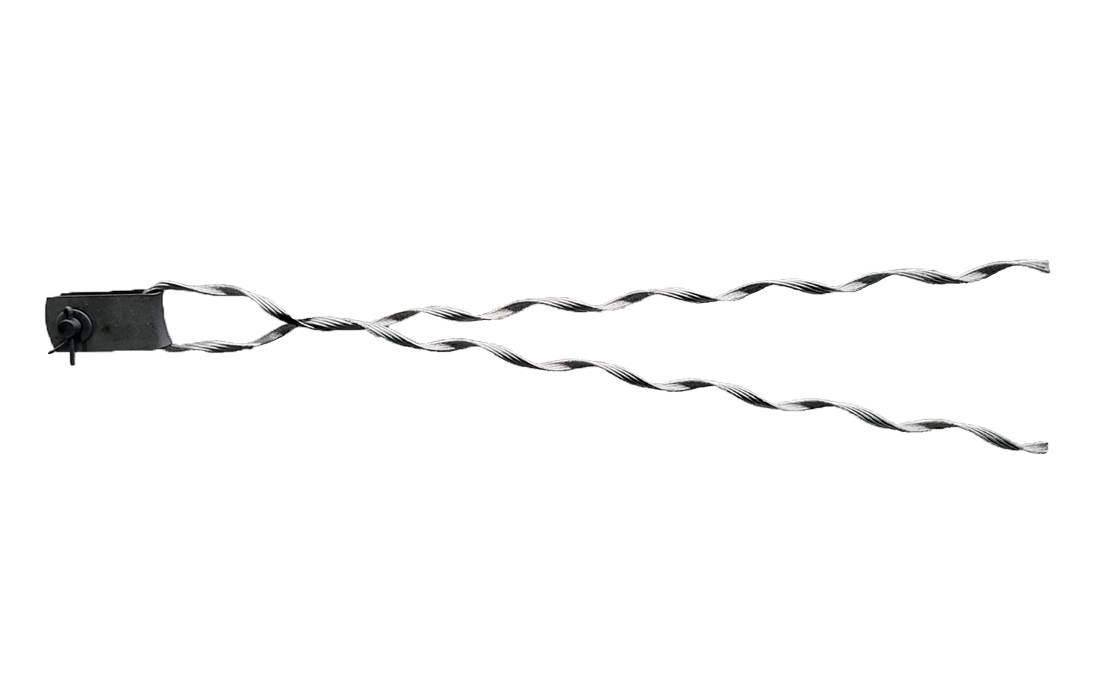
- Structural cable anchoring—cables running between panels, control units, or water pumps in solar arrays must stay aligned. Helical clamps secure these runs and prevent sag, loosening, or stress-induced failure.
- Mechanical support and tension management—the clamps support the mechanical loads of cables across longer spans. It helps them handle environmental forces like wind or vibration without degrading.
- Environmental durability—helical deadend clamps are from corrosion-resistant materials like aluminum-clad or galvanized steel. These clamps endure harsh settings, including tropical humidity or sun exposure.
- Ease of installation—the clamps provide quick installation without specialized tools. They are ideal for remote areas with limited electricians.
Significance of solar-powered infrastructure for fish farming in Peru
Peru’s aquaculture sector in the remote areas faces unique challenges such as access to reliable, affordable energy. Solar-powered infrastructure enables fish farming operations to thrive where traditional power is costly and unreliable. Solar-powered infrastructure enables sustainable, profitable, and resilient fish farming in Peru. It connects renewable energy with food security, economic growth, and environmental stewardship. This makes it a model for rural development across the Amazon basin and beyond. Its importance in Peru is as discussed below.
- Energy independence—rural fish farms operate far from centralized grids. It demands solar arrays with battery storage supply for aeration systems, water pumps, and monitoring equipment. Communities reduce dependence on diesel generators, which are expensive to fuel and maintain.
- Boosting production and fish health—consistent power supply is crucial for aeration and oxygenation systems, water quality management, and feed storage.
- Reduced operational costs—solar infrastructure reduces the need for fuel and reduces maintenance needs.
- Expanding market access—farmers can process and store fish longer and allow for bulk sales or access to distant markets. Solar refrigeration enables participation in regional and urban supply chains.
- Empowering indigenous and rural economics—solar-powered projects show that renewable energy can improve food security, provide employment, and foster local capacity-building. This is crucial, as solar systems are easy to operate and repair with basic training.
- Environmental and social benefits—solar power reduces emissions, reduces noise and pollution, and provides a positive impact by reducing energy poverty and supporting cultural food traditions.