
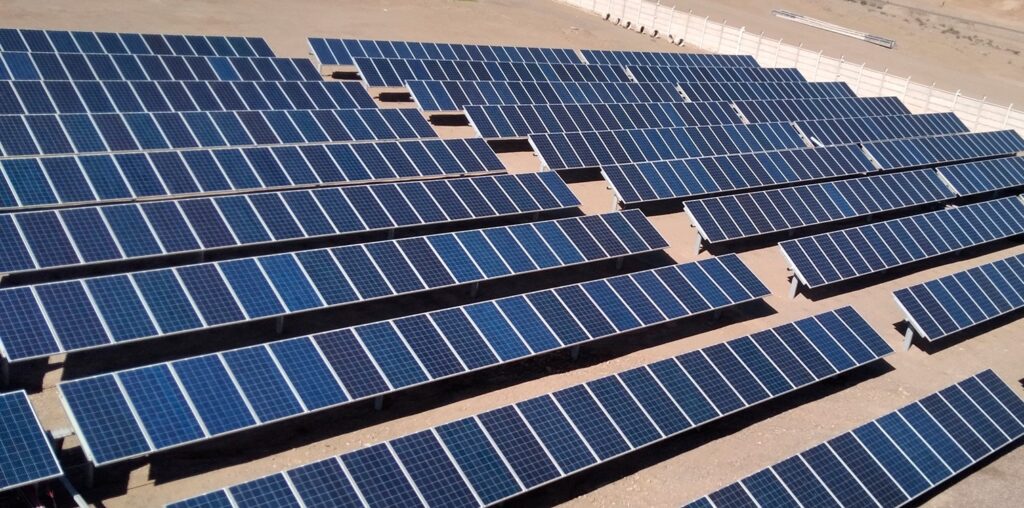
With the upcoming industrial expo in Peru, the manufacturing and technology industries have the opportunity for increased operations. Recently, Zelestra launched the largest solar plant, the 300 MW San Martín project in Arequipa. The plant features around 450,000 photovoltaic modules, generating 830 GWh per year. The project is powered by a long-term PPA with Kalipa Generacion, strengthening the renewable energy portfolio. San Martín aligns with the country’s renewable milestones, as solar accounts for 2-4% of national generation. Launching during the Expo season puts the spotlight on Peru’s green energy leadership. Companies can showcase their advanced solar mounting solutions with any supporting hardware. The project also creates opportunities for the local and international manufacturing industries for hardware required to maintain its operations. Yoke plates play a crucial role in ensuring the structural stability and secure mounting of solar panels.
Solar energy has the ability to power copper mines in Arequipa with clean energy to reduce carbon emissions. Powering the mines through solar energy helps reduce carbon emissions from the mining operations. Yoke plates serve as a mounting structure, connecting solar racking systems to roofs, grounding mounts, or concrete bases. They allow for tilt angle adjustments, optimizing solar panel orientation for greatest efficiency. High-quality plates have various designs promoted at expos and help reduce labor costs and installation time. Peru has diverse environmental conditions, such as coastal humidity and high-altitude EV exposure, that demand galvanized yoke plates or aluminum to prevent rust. Local and industrial manufacturers have the opportunity to present lightweight and durable alloys, pre-assembled kits for faster transport, and seismic-resistant designs for the plates.
Yoke plates in solar PV installations in Peru
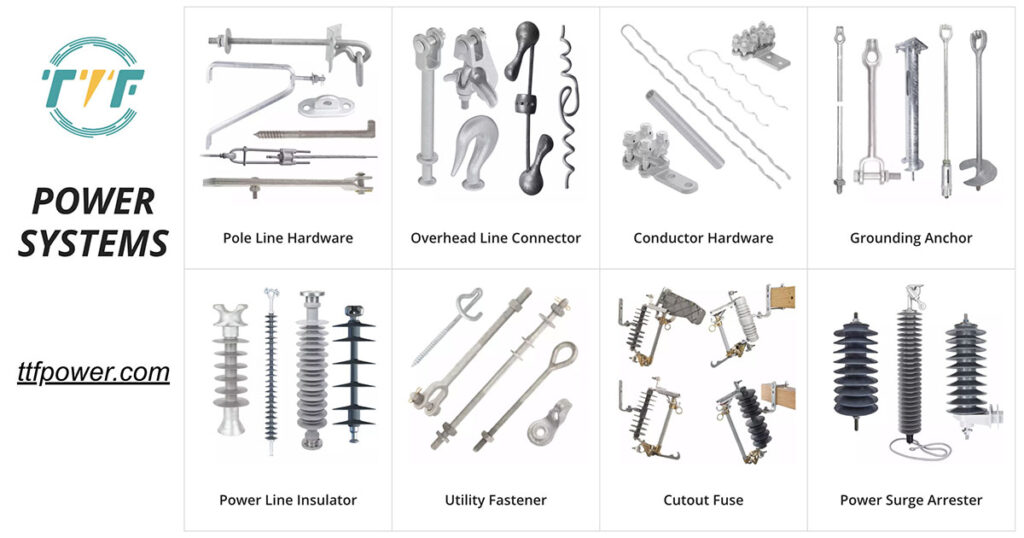
Yoke plates are crucial in the electromechanical infrastructure of solar PV farms like the 300 MW San Martín project. High-quality plates are also link plates with many drilled holes to connect and stabilize tensioned hardware in overhead line systems and substation frameworks. Galvanized steel yoke plates are corrosion-resistant and designed to handle high mechanical loads. The plates help maintain grid quality and safety across remote and high-altitude terrains. Zelestra and other developers must meet international specifications like the IEEE, IEC, and Peruvian NTC standards. They ensure compliance with load-bearing design codes, corrosion and high-temperature resilience, and seismic tolerance. Here are the roles of yoke plates in solar PV farm infrastructure.
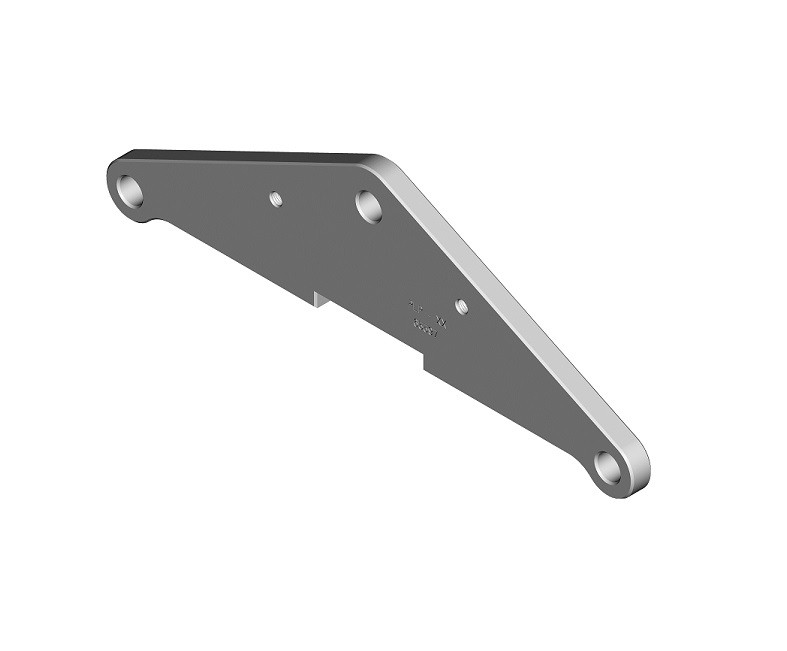
- Mechanical support for overhead conductors—utility-scale installations of power from PV arrays routed to substations through overhead transmission lines. Yoke plates secure many conductors to a single point and allow for uniform load distribution across insulators and towers. This ensures stable, long-distance energy evacuation from isolated desert-based farms to national grids.
- Insulator string connection and suspension—yoke plates link insulator strings with clamps, shackles, or towers. They align vertical or horizontal load forces, enabling many insulators to bear load without twisting. They also provide rotational flexibility in regions with wind and thermal expansion that can stress the system.
- Hybrid interconnections in substations—Peru is expanding hybrid solar and battery systems to integrate with PV power. Yoke plates enable safe cross-connection of incoming and outgoing lines. This is crucial where grid interconnection to both mines and utilities demands robust linking infrastructure.
- Rapid assembly and modular expansion—yoke plates simplify the installation of modular solar farms. They support prefabricated assembly of overhead line systems, scalable upgrades, and fast repair and replacement.
Importance of green power in Peru’s energy sector
Solar PVs provide clean, sustainable energy that helps decarbonize electricity, increase energy security, and boost socio-economic development. Solar, wind, and hydropower play a crucial role with the rising global demand for sustainably produced metals and pressure to reduce fossil fuel dependence. Green power is crucial in sustainable mining for copper, silver, zinc, and lithium. Solar and wind can lower energy costs and reduce emissions in mining operations. Expanding green power helps Peru follow its NDCs, access climate financing and foreign investment, and build international partnerships.
Green power also enables off-grid and mini-grid solutions in remote communities, lower cost, cleaner alternatives, and local job creation in installation and maintenance. The San Martín solar plant shows low-cost, fast-track deployment and attracted $1B in further investments from firms like Zelestra, Kalipa, and Statkraft. This solar development also plays a crucial role in cross-border energy sharing through its 7 GW of battery and solar projects in Peru, Chile, and Colombia.