

Peru’s ministry of energy and mines granted an EDF Renewables unit a temporary concession to conductor feasibility studies for the 99.2 MW Mendoza wind farm project in the southern region of Arequipa. This initiative underscores the company’s commitment to expanding its renewable energy footprint and supporting Peru’s transition to cleaner energy sources. The proposed wind farm will have a capacity of 99.2 MW contributes to Peru’s renewable energy matrix. The company will conduct assessments including resource assessments, environmental impact analyses, and grid connection studies. If successful, EDF Renewables may develop, construct, and operate the project to leverage its expertise in large-scale wind energy. Peru aims to generate 60% of its electricity from renewables by 2030. The country also has an attractive regulatory framework that encourage private investment. Fuse cutouts play a crucial role in electrical protection and system reliability in wind power development in Peru.
Fuse cutouts protect distribution transformers, underground cables, and other electrical components from overcurrents caused by faults. The fuse mounts on pole-mounted transformers that step-up voltage from wind turbines to the collector system. They allow manual disconnection of circuits for maintenance or emergencies, acting as a visible break point for linemen. Fuse cutouts isolate faulty sections to prevent cascading failures and ensure the rest of the wind farm remains operational. Fuse cutouts function in medium-voltage distribution including 11 kV, 22 kV, and 33 kV collector systems linking turbines to substations. Compared to circuit breakers, fuse cutouts are cheaper and simpler for radial distribution networks common in wind farms.
Function of the fuse cutouts in wind power system development in Peru
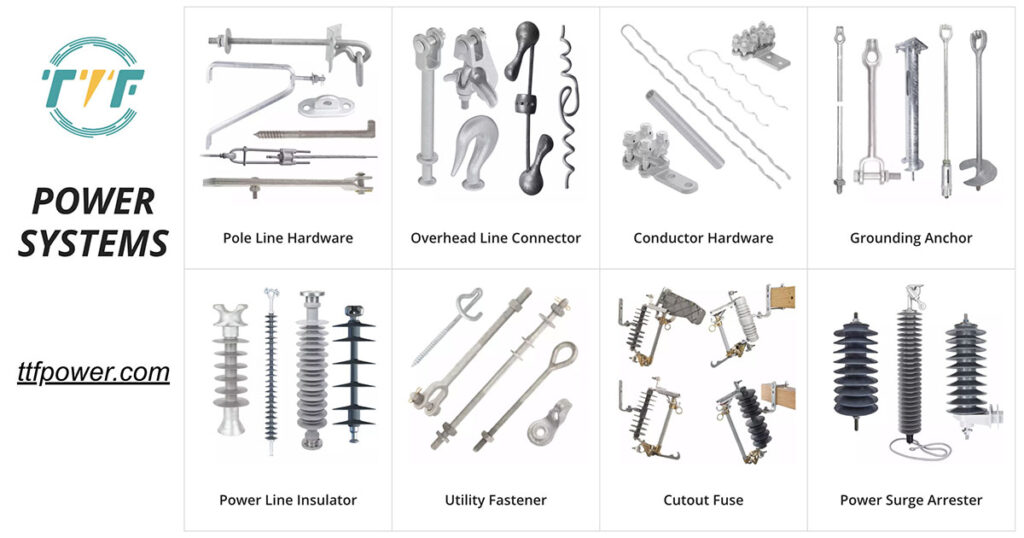
Fuse cutouts are frontline defenders of reliability and safety in Peru’s wind energy infrastructure. Their role ensures uninterrupted renewable power delivery while supporting the country’s clean energy transition. Fuse cutouts are from materials that withstand extreme conditions while ensuring disconnections. A fuse cutout is an electrical protection device used in power distribution systems including wind power systems. Here are the roles of fuse cutouts in wind power project development in Peru.

- Overcurrent protection – fuse cutouts protect distribution transformer and feeder lines from overcurrent caused by faults such as short circuits, overloads, or equipment failure. When a fault occurs, the fuse element melts, disconnecting the faulty section. This ensures that sensitive and costly equipment like wind turbine step-up transformers to safeguard against damage.
- Isolation of faulty equipment – fuse cutouts isolate defective turbines or transformers from the grid. This allows the rest of the system to keep running where the isolation helps maintain stability and reduce downtime.
- Improving grid reliability – fuse cutouts enhance continuity of service by removing only the affected section. They reduce the risk of cascading failures that could otherwise disrupt grid operations in areas with growing renewable penetration.
- Protection during switching and maintenance – fuse cutouts act as a visible open point when manually operated with a hot stick. Operators can safely de-energize sections of wind farm equipment for maintenance.
- Cost-effective solution – compared to circuit breakers fuse cutouts are cheaper and simpler. Fuse cutouts offer a reliable, low maintenance protection methods for medium-voltage distribution lines.
Significance of wind energy development in Peru
Wind farm development aids in adding renewable capacity, enhancing energy security, climate commitments, and regional growth. Wind energy is crucial in Peru because it diversifies energy supply, speed up climate goals, power industries sustainably, and stimulates economic growth. Here’s the significance of wind energy development in Peru.
- Diversifying the energy mix – wind farms reduce dependence on hydrology-sensitive dams and fossil fuels. this makes the grid more resilient to droughts and fuel price fluctuations.
- Meeting climate and renewable goals – wind development helps cut greenhouse gas emissions while showcasing Peru as a player in South America’s clean energy transition.
- Harnessing untapped wind potential – wind farms can provide stable generation at competitive costs to unlock a natural advantage for the country.
- Boosting grid expansion and reliability – large-scale wind projects need new 220 kV and 500 kV transmission infrastructure. This creates spillover benefits for rural electrification and regional industries.
- Economic and social benefits – the development of wind farms create jobs in construction and operation in Peru. Wind energy will help lower electricity costs over time, supporting industrial competitiveness.
- Regional decarbonization leader – scaling wind alongside solar helps export lessons to other Andean nations. It has the potential to develop green hydrogen projects in the long-term using abundant wind power for electrolysis.