
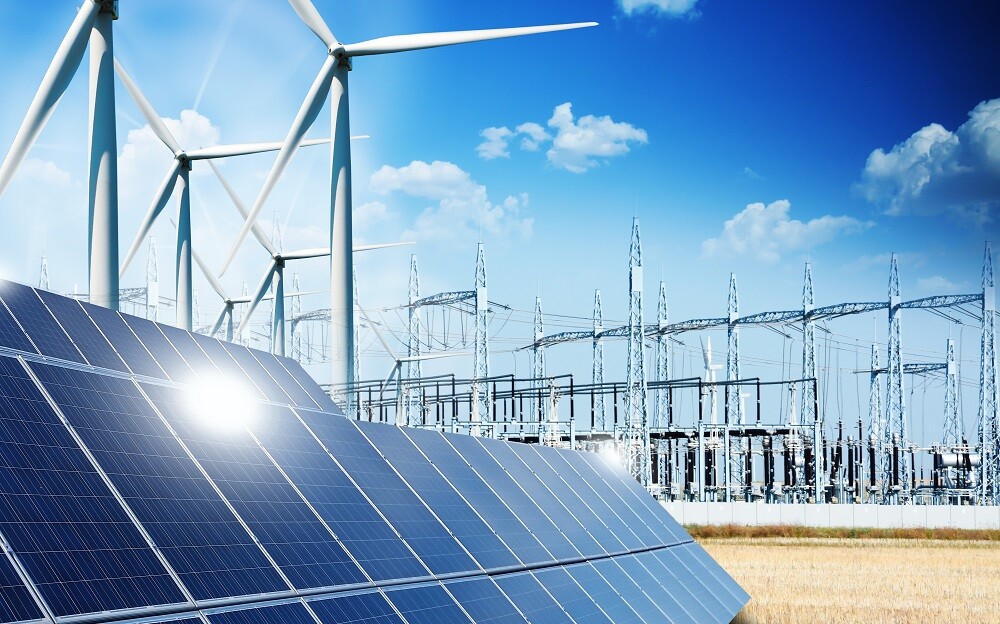
Following years of reliance on hydropower and fossil fuels, non-hydro renewable sources like solar and wind may lead Peru towards an energy transition. The nation is experiencing a notable transition to renewable energy fueled by international climate obligations, decreasing technology expenses, and the necessity for energy security. Investment trends are shifting away from large-scale hydropower towards an emphasis on solar, wind, and green hydrogen. This occurs despite the difficulties in transitioning linked to regulatory frameworks, social conflicts, and grid update. Peru employs public auctions to draw investments for more than 1.3 GW of solar and wind projects at low prices during that period. Significant initiatives in the nation feature the Rubi solar facility (180 MW) and the Tres Hermanas wind energy site (97 MW). A crucial component in the infrastructure that supports Peru’s energy transition is the insulated piercing clamps.
The insulated piercing clamps (IPC) enable fast, reliable, and safe electrical connection to an existing power line without shutdown. Peru is also creating investments in green hydrogen, grid modernization, energy storage, transmission infrastructure upgrades, and distributed generation and rooftop solar. The success for investors will depend on deep understanding of local social dynamics, strategic partnerships, and navigating the regulatory environment. IPCs use sharp conductive teeth to pierce through the insulating layer of an electrical cable. This helps make contact with the conductor inside. It is then housed within a sealed, insulated body that protects the connection from the environment. The IPC provides a safe and simple way to power new grid-enhancing devices without de-energizing the network.
Impacts of insulated piercing clamps on Peru’s energy transition
An insulated piercing clamp is a connector used to tap or branch power lines without stripping the insulation. Its sharp teeth pierce the insulation of both the main conductor and branch conductor. This creates a secure, insulated, and watertight connection. IPCs are crucial in expanding renewable energy access, rural electrification, and smart grid development. Their use helps cut losses, boost reliability, and speed up renewable access from remote areas. Here are the core functions of insulated piercing clamps in Peru’s energy transition infrastructure.
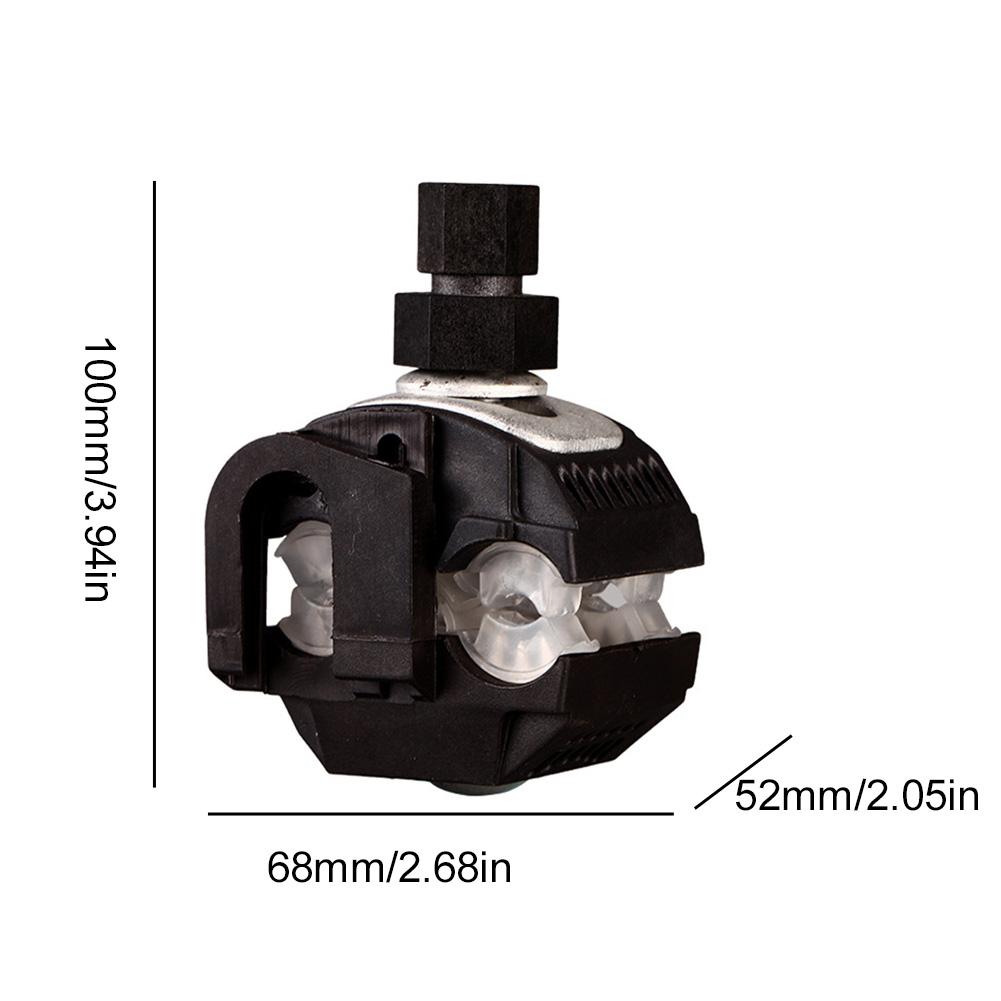
- Speeding up renewable energy integration—IPCs simplify the process of connecting solar, wind, and hybrid mini-grids to the distribution network. They reduce the need for stripping conductors or specialized tools. The clamps speed up installations in remote Andean villages and Amazon regions.
- Improving grid reliability—the IPCs provide tight, corrosion-resistant, and waterproof connections. They reduce outages caused by poor joints, conductor wear, or weather exposure.
- Reducing energy losses—insulated piercing clamps create low-resistance connections. They help reduce technical distribution losses, which remain significant in rural grids.
- Supporting rural electrification—IPCs make it easier to extend low-voltage distribution lines from renewable mini-grids. Grid expansion aligns with Peru’s universal electrification goals.
- Enhancing safety in grid expansion—IPCs allow hot-line installations to reduce downtime and enhance safety. This is crucial, as the clamps are fully insulated and designed to prevent accidental contact.
- Reducing maintenance costs—IPCs reduce the frequency of repairs and replacements in renewable distribution lines.
Infrastructure backing the energy transition in Peru with heightened investments.
Boosting investments in Peru’s energy transition facilitates the integration of renewable projects, strengthens supply mining, delivers electricity, and improves global trade capabilities. The infrastructure utilized comprises
- Power transmission—the IFC and Acciona are spearheading the enhancements to the grid via transmission initiatives. These measures will enhance the ability to incorporate solar and wind energy to strengthen grid stability and decrease dependence on fossil fuels.
- Utility-scale renewable energy—this encompasses the use of solar energy to fuel mining activities in Peru. It encompasses the new San Martin solar facility and Babilonia solar.
- Solar energy at distributed and rural scales encompasses initiatives driven by civil society to provide electricity to remote regions and ease services.
- Diversifying the grid—Peru’s power network continues to depend on hydroelectric and natural gas thermal power plants. The IFC highlights the importance of battery storage systems and hybrid mini-grids to ease the integration of renewables and stabilize the grid.
- Export-scale infrastructure—the Chancay Megaport is a key infrastructure enhancement along Peru’s coast anticipated to strengthen export capabilities and regional connections. It is essential in aiding the larger economic change associated with the transition to energy.