

The Vaca Muerta shale formation in Argentina is one of the largest shale oil and gas reserves. Its development is reshaping the physical landscape and the national energy sector. Natural gas acts as a bridge for Argentina’s energy transition to displace coal and fuel oil in electricity generation. It does this while complementing renewable energy growth. Increasing production attracts international oil investors such as Chevron, ExxonMobil, Shell, TotalEnergies, and local YPF. These investments create export opportunities to regional markets such as Chile, Brazil, and Uruguay. The increased production leads to the construction of drilling pads, pipelines, storage facilities, and access roads. Most regions in the country have experienced urban sprawl, new industrial zones, and expanded housing projects. E-span clamps provide a safe, stable, and elevated platform for flow lines and other pipes that connect wellheads to the central production facilities.
Shale formation could ensure energy self-sufficiency, strengthen South America’s energy security, and provide revenues to support broader economic development and energy transition initiatives. Shale developments host many wells with sevaral pipes coming out of the wellhead. Production lines, test lines, and water lines run above the ground on support systems. These systems demand E-span clamps to secure the pipe to the beam, creating an elevated pipeline pathway from the wellhead to the gathering system. Elevating the pipes protects them from surface water, debris, and corrosion from ground contact. Using prefabricated Span clamps support systems with standard clamps allows for modular construction. E-span clamps are crucial for ensuring the safety, efficiency, modularity, and maintainability of surface piping networks. It is a critical connector that makes the entire system secure, safe, and efficient.
Functions of E-span clamps in Vaca Muerta oil and gas infrastructure
E-span clamps are crucial in the oil and gas infrastructure supporting Vaca Muerta shale production in Argentina. E-span clamps are crucial mechanical fittings used in power line and communication infrastructure to support long-span conductor installations. They play a crucial role in supporting energy transmission networks that enable large-scale shale oil and gas production. The clamps enable stable, safe, and efficient power delivery to oil and gas production infrastructure. E-span clamps ensure the continuous energy supply needed for shale development. Here are the functions of the Span clamps in oil and gas infrastructure.

- Conductor support in long spans—E-span clamps secure conductors over extended distances between support structures. They ensure mechanical stability and reduce sag. This is crucial for delivering reliable electricity to well pads, pumping stations, and processing facilities in remote areas.
- Load distribution and mechanical strength—reliable power distribution is crucial for pumps, compressors, and drilling rigs. E-span clamps distribute mechanical tension across conductors and prevent breakage. This ensures safe operation for medium- and high-voltage transmission lines feeding the shale infrastructure.
- Securing infrastructure in harsh conditions—E-span clamps provide a durable anchoring system for overhead conductors. They help reduce the risk of line failures that could halt drilling or processing operations. The clamps have corrosion-resistant designs that help withstand exposure to dust, oil residues, and environmental stressors.
- Supporting energy distribution for oil and gas operations—shale production includes electric-powered systems such as hydraulic fracturing pumps, artificial lift systems, and compression and separation units. Span clamps ensure secure, uninterrupted electrical transmission, supporting the energy-intensive processes.
Infrastructure and development needs for Vaca Muerta’s shale formation
Unlocking Vaca Muerta’s oil and gas potential depends on infrastructure and development innovations. Argentina must expand pipelines, build LNG and export facilities, improve roads, and strengthen power distribution. The production faces logistics, transport, energy distribution, and export capacity challenges. The infrastructure and development needs include:
- Pipeline infrastructure—expansion of domestic gas pipelines is crucial to move production to major demand centers.
- LNG and export facilities—the shale formation needs construction of LNG liquefaction plants and port terminals to allow large-scale gas exports. It also needs modernization of existing oil terminals and new storage and loading infrastructure to manage export volumes efficiently.
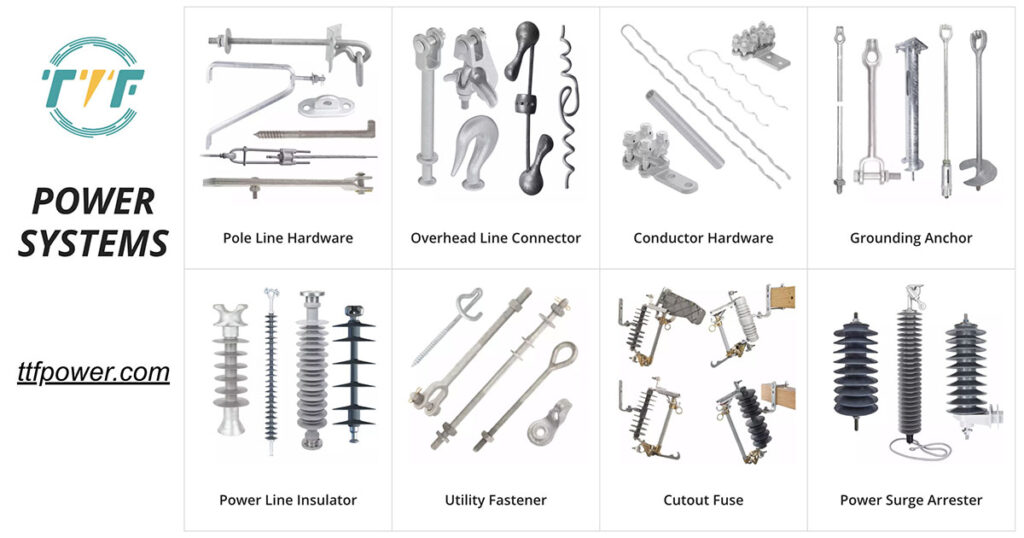
- Electricity and power distribution—large-scale shale operations need continuous and reliable electricity for drilling rigs, compressors, and pumping systems. This demands expansion of high-voltage transmission lines, deployment of fittings and accessories such as E-span clamps, and integration of renewable energy sources.
- Technological and operational development—the shale formation needs advanced drilling and completion technology, digital monitoring systems, and adoption of environmental safeguards.