

Vestas Wind Systems, a Danish wind turbine maker, received two new orders in Argentina totaling 217 MW to deliver its EnVentus machines in 2026. The contracts will cover the supply of 186 MW worth of V162-6.4 MW turbines and 31 MW of the V162-6.2 MW units. This development shows both Argentina’s renewable ambitions and Vestas’ global leadership in wind technology. It also marks Argentina’s energy transition strategy, where wind plays a role in diversifying the power mix and reducing reliance on fossil fuels. The EnVentus platform provides modular, scalable designs that enable developers to optimize performance in diverse wind conditions. The expansion of wind power projects stimulates local economies through construction, operations, and maintenance jobs. More wind farms help protect Argentina against the volatility of fossil fuel prices. Using stay rods provides the link between the massive steel tower of the wind turbine and its concrete foundation.
High-quality anchor rods create a monolithic structural system capable of resisting immense forces. The force of the wind acting on the rotor blades creates a tendency for the entire structure to tip over. Stay rods on the downwind side of the force are placed under extreme tension, holding the tower base down onto the foundation. Stay rods transfer all operational loads from the tower into the foundation mass. The loads include vertical loads, horizontal loads, and dynamic and cyclic loads. The high-strength stay rods are torqued to a very specific, calculated pre-tension. Pre-loading ensures the base of the tower remains compressed against the foundation grout and concrete under all operating conditions. It prevents movement and loosening of the nuts. The anchor systems should be able to handle the extreme forces in diverse conditions.
Functions of stay rods in wind power development in Argentina
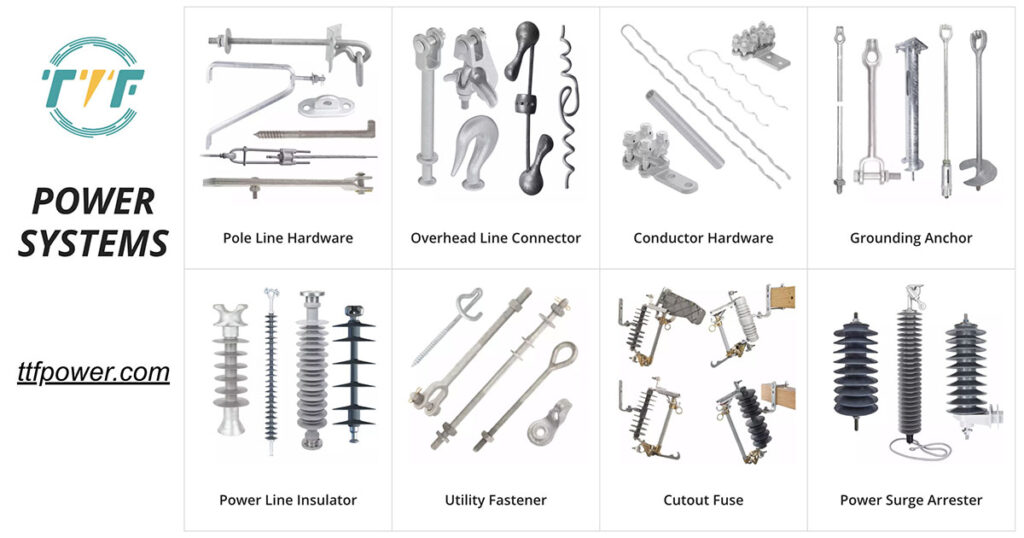
The Vestas’ 217 MW turbine projects need reliable supporting infrastructure for transmission and distribution systems that link wind farms to the national grid. Stay rods are mechanical support components used alongside stay wires to provide stability to overhead power line structures. They anchor into the ground with a plate or anchor to ensure that transmission poles can withstand mechanical stress caused by conductor tension, wind pressure, and environmental forces. Here are the functions of stay rods in wind power development in Argentina.

- Structural stability of transmission poles—stay rods help secure poles and towers against lateral forces. They ensure the transmission infrastructure remains stable and reliable.
- Load distribution—stay rods distribute the mechanical load from conductors and stay wires to the ground. They prevent poles from bending or collapsing under tension, which is crucial for transporting large volumes of electricity generated by modern high-capacity wind turbines.
- Enhanced grid reliability—strong transmission networks are necessary to integrate large-scale wind energy into the grid. Stay rods contribute to system reliability by maintaining alignment and reducing risks of pole tilting.
- Facilitating wind farm integration—stay rods play a crucial role in connecting wind farms to substations and the national grid. They ensure that renewable electricity is transmitted over long distances.
Wind technology in Argentina’s wind energy integration into the grid.
Integrating wind energy into the national grid demands wind technologies, grid infrastructure upgrades, and smart energy management systems. Adopting these innovations could position Argentina as a leader in wind power in South America. Innovative wind technology includes:
- High-capacity wind turbines—modern wind farms in Argentina use next-generation turbines like the Vestas EnVentus series. These machines offer high efficiency, larger rotor diameters, and smart controls.
- Power electronics and grid-friendly features—wind turbines have advanced power electronics such as converters and inverters, reactive power control, and fault ride-through capability. These features will make wind energy more predictable and stable for grid operators.
- Digital monitoring systems—SCADA systems—track turbine performance and output, allow remote control for balancing supply, and detect and address issues quickly. This ensures efficient management and smooth integration into the grid.
- Transmission and substation technologies—Argentina has invested in high-voltage transmission lines, transformers and substations, and reactive compensation devices. Stay rods, strain plates, and other mechanical support technologies are crucial in strengthening transmission infrastructure.
- Hybrid systems and energy storage—the country is exploring hybrid renewable systems and battery energy storage systems.
- Smart grid integration—Argentina is moving toward a smarter grid that uses automation and predictive analytics. It’s moving to balance fluctuating wind generation, prioritizing renewable inputs, and enhancing reliability and reducing curtailment of wind farms.