
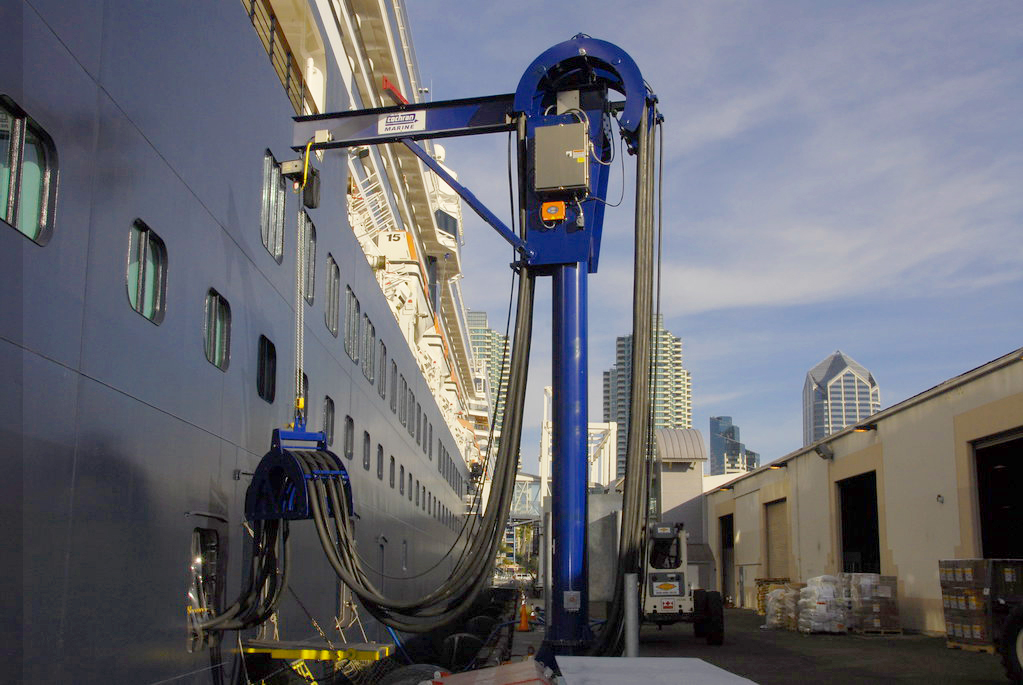
Argentina has reached a milestone in maritime electrification with the introduction of the China Zorilla, a 130-metre, fully battery-electric ferry operated by Buquebus. The vessel connects Buenos Aires, Argentina, with Colonia del Sacramento, Uruguay. It also has a 41.2 MWh battery system that supports electric propulsion without direct exhaust emissions during navigation. Corvus Energy is supplying the vessel’s battery energy storage system. It is also partnering with Servintel to provide local technical support and services in Argentina. This collaboration addresses the need for electric shipping, including the need to maintain, monitor, and troubleshoot high-capacity battery systems throughout their service. The project will include battery storage capacity, vessel length, passenger capacity, propulsion systems, and charging infrastructure. Engineers should assess the available grid connection, cable ratings, and compatibility with the vessel’s onboard systems. These interconnections will demand use of surge arresters to respond to transient overvoltages caused by lightning strikes.
Surge arresters discharge the surge energy to the ground and clamp the residual voltage within the withstand range of batteries and converters. Marine energy storage systems experience high salt spray, high humidity, and challenging maintenance conditions. Selecting the right surge arresters for the project helps the system withstand corrosion, provide isolation, and ensure layered coordination. The arresters absorb transient pulses and prevent them from impacting battery management systems and sensitive measurement and control circuits. They also reduce residual voltage and are not limited by the length of the connecting leads from the arresters to the protected equipment. Surge arresters coordinate with DC circuit breakers, BMS, isolation transformers, and equipotential bonding and shielding.
Quality assurance for surge arresters used in marine energy storage systems
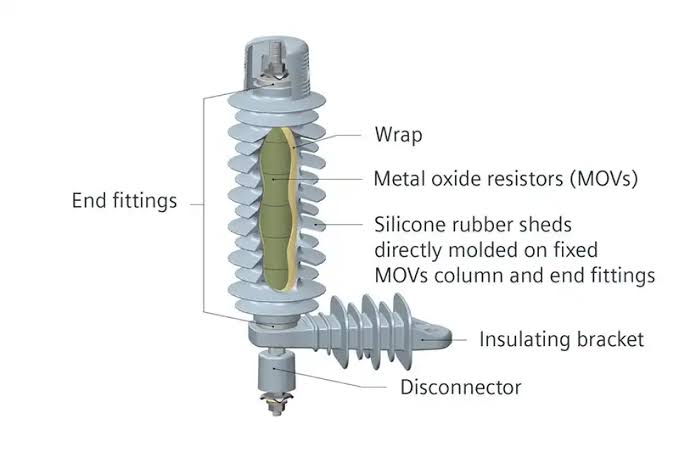
Surge arresters in marine energy storage systems protect them from overvoltages that can damage battery equipment, power converters, propulsion controls, and charging infrastructure. The arresters limit transient overvoltages caused by lightning, switching operations, and other electrical disturbances. Surge protectors limit transient overvoltages caused by lightning, switching operations, and other electrical disturbances. They protect connected equipment by diverting surge current and limiting the voltage that appears across the circuit. Their performance depends on correct voltage ratings, reliable internal components, effective insulation, environmental resistance, and proper installation. Quality assurance verifies its characteristics before the arrester is delivered. The QA process must consider electrical safety, vibration, humidity, salt exposure, and the operating conditions of the vessel and its charging system. QA ensures that the surge arresters meet their specified electrical, mechanical, and environmental requirements. The process covers the product’s design, manufacturing, testing, transport, installation, and maintenance.
The roles of surge arresters in marine energy storage systems in Argentina
Surge arresters protect the electrical equipment that supports battery-powered vessels, shore-charging stations, and marine power distribution systems. They are crucial to the development ofelectric maritime transport, a 130-metre ferry, and a 41.2 MWh battery energy storage system. Here are the roles of surge arresters in marine energy storage systems in Argentina.
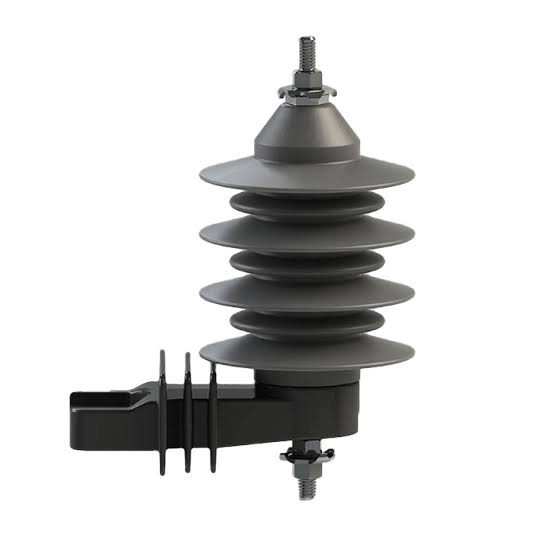
- Protecting battery energy storage systems against transient overvoltages: the arresters limit these surges before they damage connected electrical equipment.
- Protecting power converters and electric propulsion equipment: power converters and motor drives contain semiconductor components that are sensitive to transient overvoltages. Surge protection helps reduce the electrical stress imposed on the systems.
- Protecting shore-charging infrastructure: it allows electric vessels to recharge batteries while berthed at port. The installations connect the vessel’s electrical system to land-based power infrastructure. The arresters protect these components against surges caused by lightning events.
- Reducing risk of damage to battery monitoring and control systems: marine energy storage systems use electronic controls to monitor battery conditions, manage power flows, and coordinate charging and discharging. Transient overvoltages can damage electronic equipment or interrupt communication between systems.
Corvus Energy’s technical influence on Argentina’s maritime sector
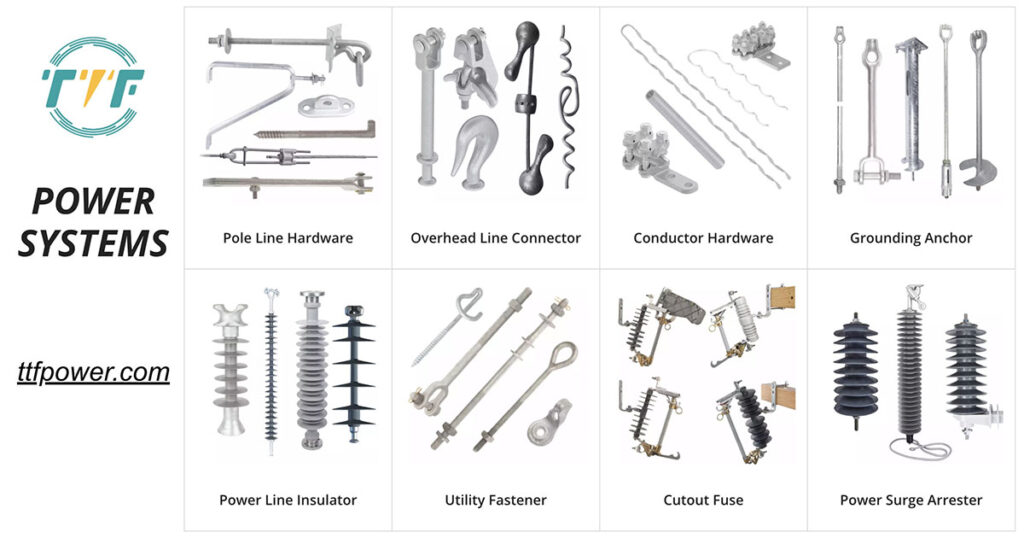
Ship operators need marine battery systems, power management equipment, electrical protection, and specialized maintenance services to support vessels that use electric propulsion. Corvus Energy’s technical influence extends beyond battery supply. Its partnership with Servintel provides local technical support, equipment maintenance, and training for engineering personnel working with Corvus Energy battery systems. These developments influence vessel design, electrical engineering, marine maintenance, and the development of technical skills in Argentina. The installation shows that battery technology can support large commercial passenger and vehicle ferries rather than being restricted to smaller vessels operating on short routes. Additionally, battery-electric propulsion changes how vessels generate, distribute, and consume electrical power.