
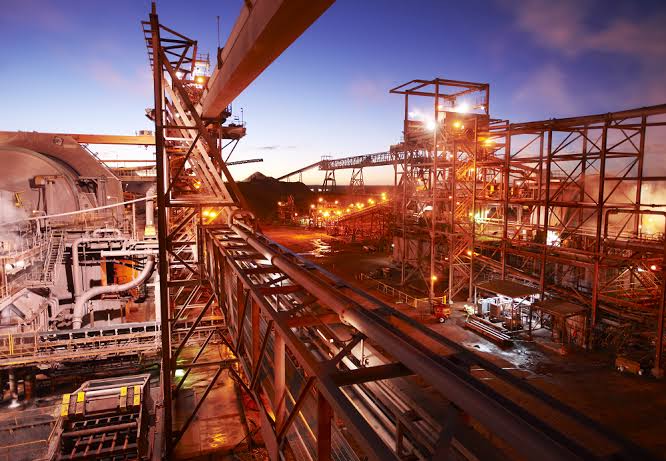
Copper continues to expand copper mining industries with consequences for electricity generation, transmission infrastructure, renewable energy investment, and industrial development. The copper mining sector has attracted companies including Codelco, BHP, and Capstone Copper. Codelco and BHP have an agreement on the Anillo copper with investments of up to US$40 million. Chile will need to supply more power to mining operations, expand its electricity network, and develop infrastructure that can support energy-intensive industrial activity. The investment will also support development of crushers, grinding mills, concentrators, pumps, and ventilation systems. Chile also has renewable energy resources that offer mining companies an opportunity to secure electricity while reducing the emissions related to mineral production. This will lead to the interconnection between renewable generation, energy storage, flexible generation, and a transmission network to move electricity to mining regions. This creates opportunities for substations, overhead transmission lines, insulators, and socket clamps.
Socket clamps in mining and electrical infrastructure provide robust mechanical support for heavy cables and components. They ensure reliable electrical continuity for power distribution and grounding systems. Socket clamps consist of high-quality materials that can withstand harsh conditions, high mechanical loads, and the increasing electrical demands of electrified operations. The clamps allow the mounting of equipment onto support columns. They allow operators to rotate and adjust the frilling angle relative to the column using a single bolt, with the socket housing holding the clamp securely. The socket-eye hardware holds the cable under tension and keeps the substation layout compact for phase clearance. The clamps undergo rigorous testing to prevent failures that could compromise downstream equipment.
Quality assurance for socket clamps used in copper mining infrastructure
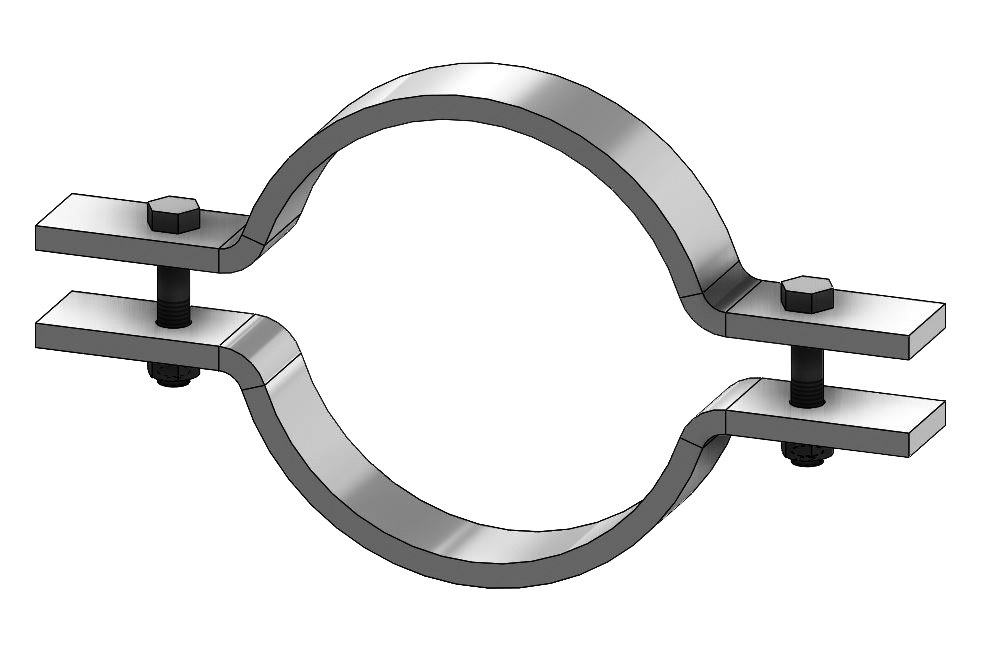
Socket clamps maintain secure mechanical connections and reliable electrical performance under demanding operating conditions. Copper mining facilities depend on electrical systems to power crushing equipment, conveyor belts, pumps, ventilation systems, and mineral processing plants. Mining operations need connection hardware that meets specified mechanical, electrical, and environmental requirements. Quality assurance helps prevent defective connections that can cause overheating, equipment failure, unplanned shutdowns, and safety hazards. Properly tested and manufactured clamps reduce the risk of mechanical failures and electrical faults. This helps protect the power supply to critical mining equipment. QA verifies the material, dimensional, mechanical, electrical, and environmental requirements of their intended applications. The process covers material quality inspection, dimensional accuracy, mechanical load testing, corrosion protection, electrical performance integrity, and contact integrity. Quality assurance during manufacturing controls the production processes that determine the socket clamp’s properties and consistency.
Importance of socket clamps in copper mining infrastructure in Chile
Chile’s copper mining industry depends on reliable electrical infrastructure to power mineral extraction, ore processing, water pumping, ventilation, and material handling. Socket clamps can connect compatible components within an insulator string to help transfer mechanical loads between the connected parts. Their roles in this infrastructure include:
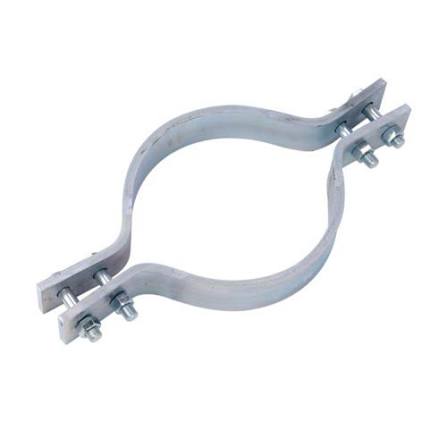
- Connecting components in overhead transmission infrastructure: socket clamps connect compatible components within overhead transmission line assemblies. They help maintain secure mechanical connections between adjoining components.
- Supporting electricity interconnection between the grid and copper mines: connecting the mine to the grid needs new transmission lines, substations, transformers, and protection systems. The clamps maintain the mechanical integrity of the assemblies where they are installed.
- Maintaining the mechanical reliability of electrical assemblies: socket clamps should withstand the loads specified for their applications without deformation, loosening, or fracture.
- Improving transmission network reliability: the clamp contributes to network reliability when it forms part of a properly designed and maintained transmission assembly.
Copper mining investment influences Chile’s infrastructure planning
Investment in Chile’s copper mining industry will place demands on electricity transmission, power generation, water supply, transport, and industrial services. The investments will influence infrastructure planning through:
- Challenging power infrastructure planning: infrastructure planners must determine whether existing power stations, substations, and transmission lines can support industrial loads.
- Transmission expansion will need better coordination: mining investments can increase the need for new transmission lines connecting generation sources to industrial consumers. Network planners should check the combined electricity demand of proposed mines.
- Renewable energy development will need to match mining demand: Chile’s solar and wind resources provide opportunities to supply mining operations with lower-emission electricity.
- Permitting and environmental assessment delays: infrastructure projects need approvals that depend on their location, design, and environmental impacts. This will demand separate assessments for transmission lines, substations, desalination plants, pipelines, and mining facilities.