
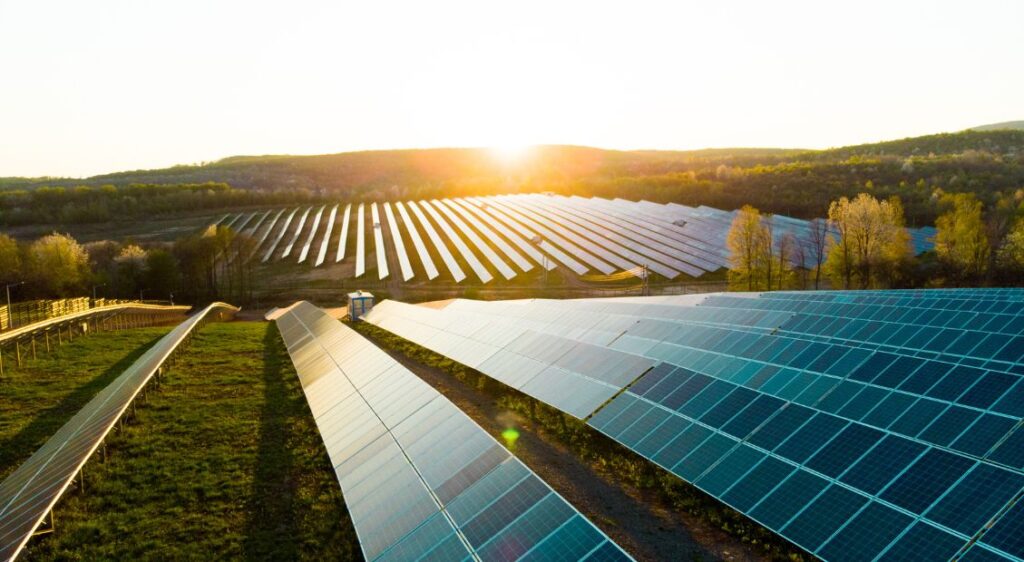
Argentina is set on sourcing 30% of its electricity from renewable energy by 2030. This represents a shift in the power sector driven by energy security concerns, decarbonization commitments, and long-term cost competitiveness. The upcoming energy summit in Argentina will focus on the significant potential in wind, solar, and hydroelectric power. Argentina aims to attract the investments in partnerships to achieve the objectives. The key enablers of this investment include regulatory clarity, transmission infrastructure expansion, and access to financing. Argentina’s increasing energy capacity and increased investments lead to the demand for energy storage, smart grids, and high-voltage transmission lines to maintain grid stability. The expansion demands use of robust hardware components such as pole bands. Pole bands provide investment stability and long-term revenue certainty in a volatile macroeconomic environment.
High-quality bands manage the intermittency of renewables and ensure grid stability while maintaining investment incentives. In tall wind turbines, pole bands create a rigid, high-strength connection that ensures the entire tower acts as a single unit. It transfers bending moments, shear forces, and compressive loads down to the foundation. It also functions in solar trackers and mounting structures. The bands secure vertical posts to their foundations or connect bracing members in fixed-tilt. They provide resistance against uplift to pull the structure out of the ground to ensure the array remains aligned and operational.
The bands are made of hot-dip galvanized steel or stainless steel for corrosive environments. They have a zinc coating to protect the steel from rust and provide a protective barrier. The bands and their connection design withstand load cycles without developing cracks. Some of the bands are pre-manufactured with precise bolt hole patterns to allow for rapid, accurate, and safe assembly of tower sections and mounting structures. This reduces construction time, labor costs, and potential errors.
The roles of pole bands in Argentina’s renewables and decarbonization infrastructure
Pole bands function in Argentina’s renewable energy and decarbonization infrastructure within transmission and distribution networks. They help deliver power from wind, solar, and hydroelectric projects to end users. Using pole bands helps enable secure, flexible, and durable line construction. Here are the functions of the pole bands in renewable expansion and decarbonization infrastructure.

- Structural support in renewable power networks—pole bands are metal fastening devices installed around utility poles. They help secure crossarms, brackets, insulators, and line hardware. The bands provide the mechanical interface that enables conductors to remain positioned under mechanical load.
- Adaptability to pole materials and terrains—pole bands accommodate varying pole diameters and materials. They allow standardized installation without compromising structural integrity. This capability is crucial for rapid network expansion in remote renewable zones.
- Corrosion resistance and long-term reliability—their robust materials enable the bands to withstand saline coastal air, UV exposure, and temperature extremes. Their durability reduces maintenance cycles, lowers lifecycle costs, and enhances network reliability.
- Grid modernization and decentralization—pole bands are crucial components as the country integrates more distributed generation, hybrid renewable systems, and energy storage. Pole bands allow utilities to add new equipment without replacing the entire pole structures.
Technologies and innovations supporting Argentina’s renewable energy expansion and decarbonization goals
Argentina has significant renewable energy potential with wind, solar, and hydropower development. To reach their decarbonization goals, the country must adopt advanced generation technologies and grid modernization solutions. These developments are transforming the power system from fossil fuel dependence to a low-carbon energy ecosystem capable of meeting 2030 targets. Key technologies include:
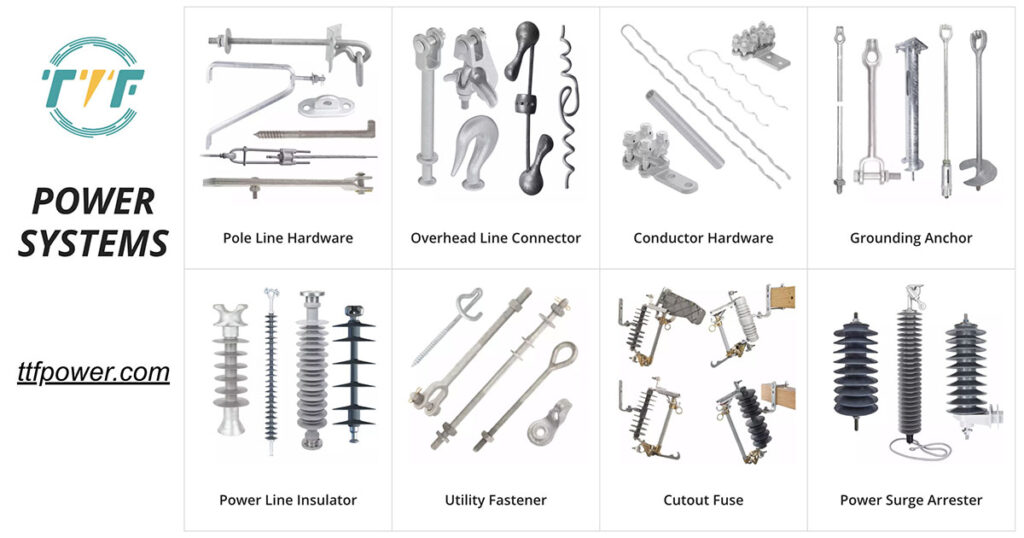
- Advanced wind and solar generation technologies—high-efficiency turbines and next-generation PV modules—lead to rapid scale-up of wind and solar capacity. Modern wind turbines with larger rotor diameters and higher hub heights are increasing energy capture in low and high wind conditions. Solar installations are using bifacial PV modules to enable higher output.
- Energy storage and hybrid power systems—energy storage technologies support wind and solar plants to smooth intermittency and provide frequency regulation. Hybrid systems are also enabling renewable projects to function as power sources.
- Transmission infrastructure and grid modernization—expanding renewable generation needs robust transmission networks. The country is investing in high-voltage and extra-high-voltage transmission lines supported by pole bands to connect resource areas to demand centers.
- Sustainable materials and balance -of-system innovations—innovation in balance-of-system components, including advanced conductors, supports faster deployment and longer asset lifecycles.