
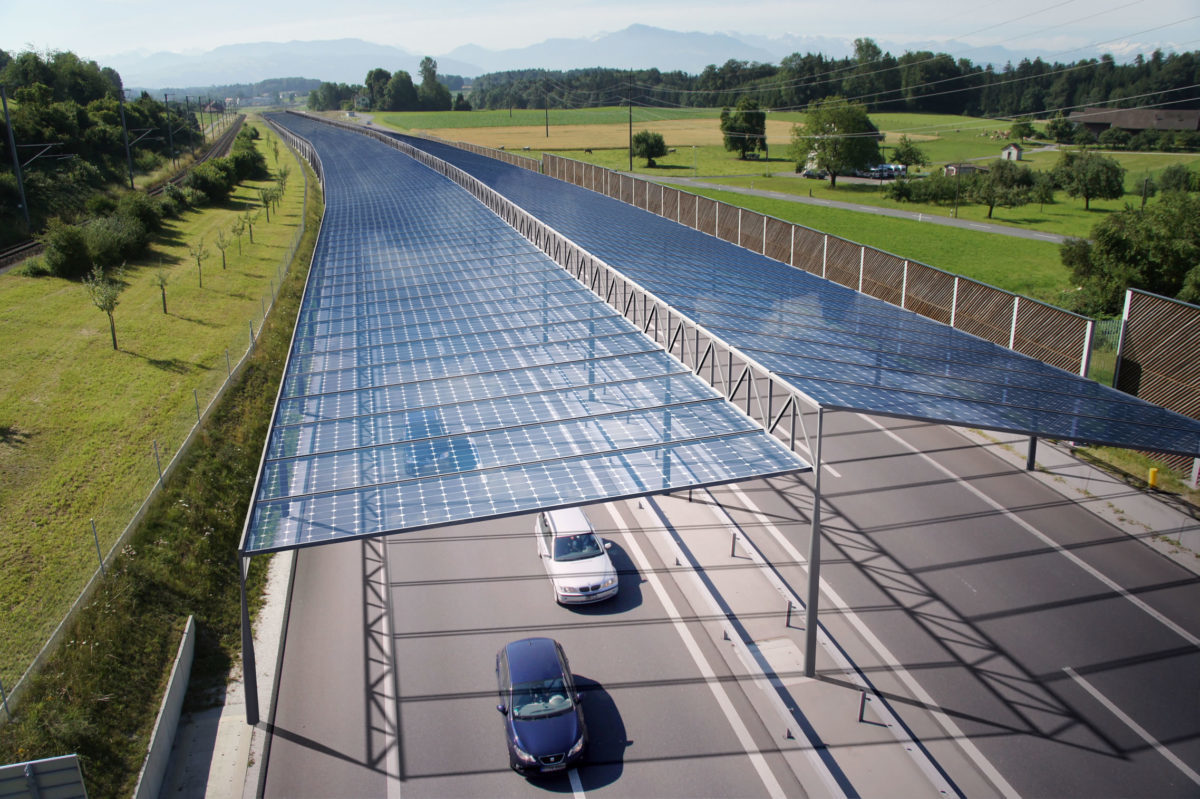
Argentina has inaugurated its first solar-powered highway in the province of San Juan. This positions the province as a leader in clean energy adoption while showing the uses of renewable technologies in public networks. The highway uses photovoltaic systems with solar panels, high-efficiency LED luminaries, and battery storage. These systems operate independently from the grid to ensure uninterrupted illumination even in remote areas. Replacing the conventional electricity supply with photovoltaic panels positions the province at the forefront of renewable energy in Argentina. Reducing the use of conventional electricity consumption reduces greenhouse gas emissions. The system uses modern solar panels that capture energy during the day and store it in high-efficiency batteries. These systems adopt the use of robust hardware such as pin insulators to secure the connections. Pin insulators support the lines connecting the solar highway’s substations to the grid.
Solar highways power the infrastructure, including toll plazas, streetlights, tunnel ventilation, EV charging stations, and traffic management systems. Using pin insulators in this infrastructure helps deliver the solar-generated power to these loads. The insulators also play a role in medium-voltage collection networks that feed into the high-voltage transmission systems. Using pin insulators also helps enhance the integration of decentralized solar generation from the highway project without causing outages.
The electrical insulators are essential for the distribution infrastructure that would be indispensable for any project. The insulators support the power lines collecting, distributing, and integrating the solar energy generated by the highway into Argentina’s electrical grid. It does this to ensure the safety and reliability of the power lines. The insulators consist of diverse designs and materials to withstand the environmental conditions in Argentina.
Influence of the solar-powered highways in Argentina’s energy sector
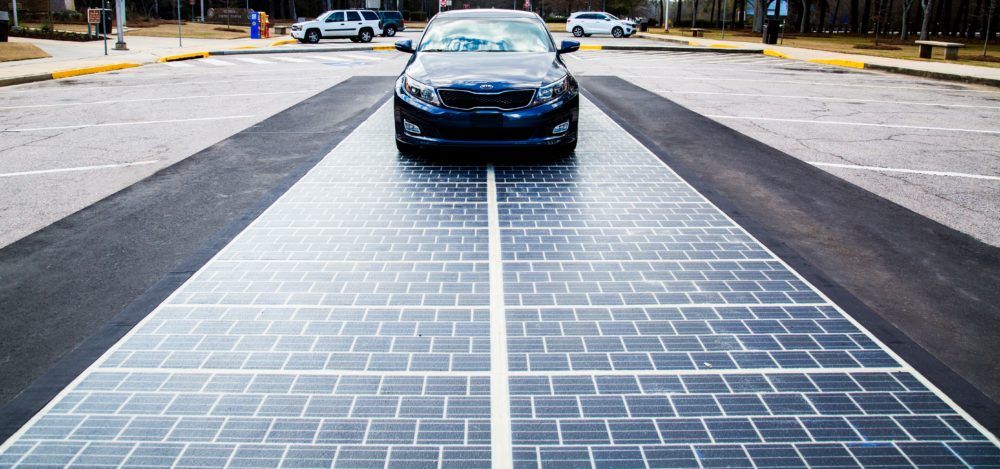
Solar-powered highways are transforming Argentina’s energy sector to extend the role of renewable energy into transport and public infrastructure. This technology allows renewable use in decentralized and off-grid applications. This reduces dependence on centralized power plants and fossil-fuel-based electricity to show the flexibility and scalability of solar energy in the energy mix. Since they operate off the grid, solar-powered highways ease demand on transmission and distribution networks. Decentralized solar lighting improves resilience against blackouts and extreme weather events.
Pin insulators in Argentina’s solar-powered highways
A pin insulator is a type of electrical insulator mounted on a supporting pole to which the low- or medium-voltage distribution lines connect. They prevent live, high-voltage conductors from making contact with the grounded support structure. Pin insulators contribute to system safety, durability, and operational reliability. Its key functions on the highways include:
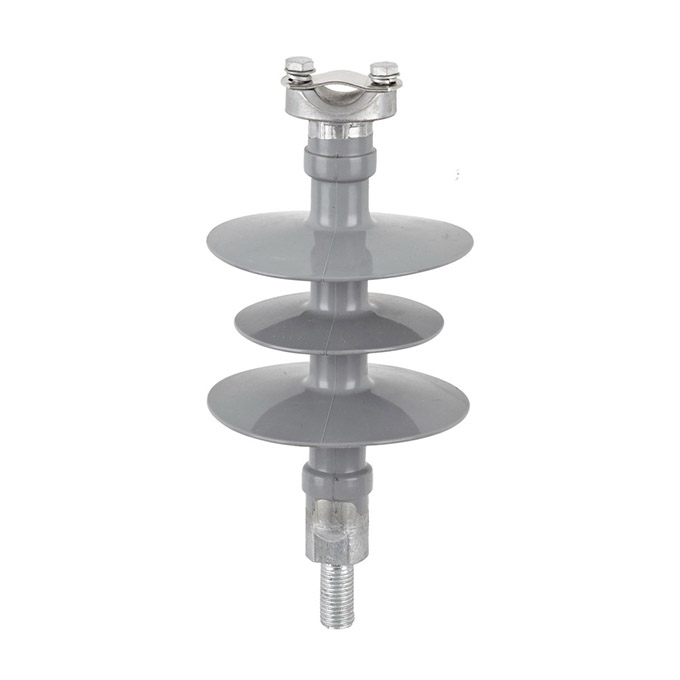
- Mechanical support and conductor stability—pin insulators support and secure low-to medium-voltage conductors mounted on poles. They help stabilize electrical lines connecting solar panels, charge controllers, batteries, and LED luminaries.
- Electrical insulation—the insulators electrically isolated live conductors from supporting structures. They prevent leakage currents, short circuits, and grounding faults.
- Performance in harsh environmental conditions—modern pin insulators are made from materials such as porcelain, glass, or advanced polymer composites. These materials withstand UV exposure, pollution, and moisture for durability.
- Support for decentralized energy systems—the insulators allow configuration with off-grid electrical architectures by providing reliable insulation for distributed wiring networks along the highway.
- Enabling scalable renewable infrastructure—the standardized pin insulator design allows for scalable deployment. They are compatible with existing pole and crossarm configurations.
Smart technologies enhancing efficiency in solar-powered highways
Argentina’s solar-powered highways depend on smart technologies to maximize energy efficiency, operational reliability, and cost savings. The technologies transform road lighting into intelligent, data-driven infrastructure aligned with national sustainability and decarbonization goals. These technologies include:
- Smart photovoltaic and energy storage systems—this includes pairing high-efficiency photovoltaic modules with intelligent charge controllers. The controllers regulate charging and discharging cycles of battery systems.
- Adaptive LED lighting and dimming controls—LED luminaries integrate with smart drivers that enable adaptive dimming. Luminaries reduce output and cut energy consumption while maintaining safety standards.
- IoT-based monitoring and remote management—these systems help track the performance of solar highway lighting in real time. The sensors track panel output, battery health, luminaire status, and system faults.
- Integration with smart transport infrastructure—solar-powered highway lighting systems interface with broader intelligent transport systems. This integration allows coordination with traffic management platforms and vehicle-to-infrastructure technologies.
- Grid independence—smart control systems ensure each lighting unit operates efficiently and maintains performance during grid failures. Pin insulators also help avoid accidental contact, faults, or outages.