
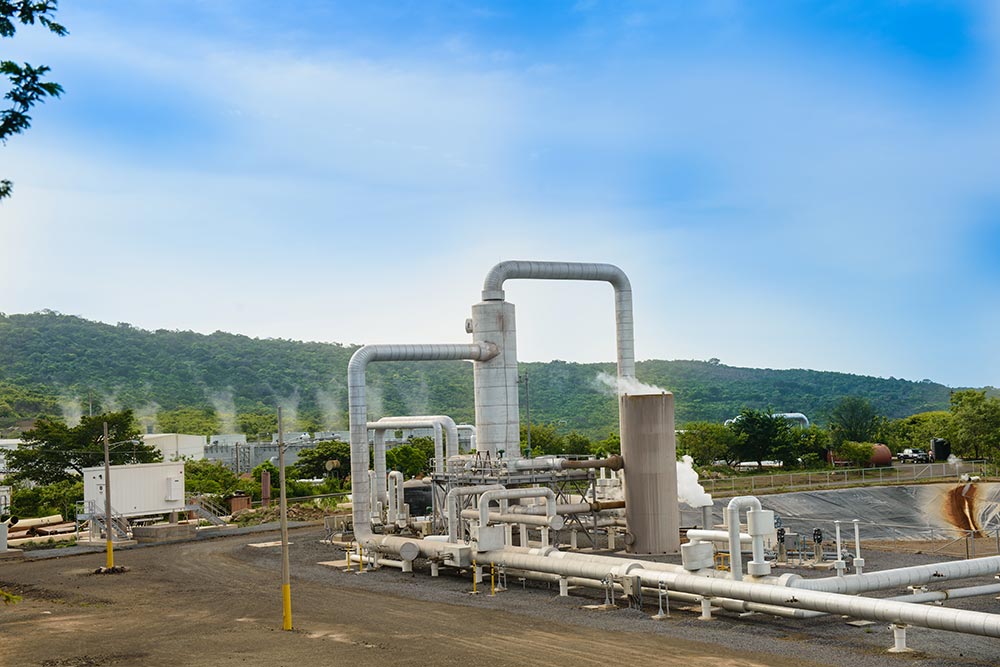
Recently, a study in Peru validated a significant geothermal system located in the southern Andes close to the Chilean border. The Geophysical Institute validated the presence of a significant geothermal system along the Chilean border. The research utilized a magnetotelluric technique, which generates a subsurface representation by assessing natural electromagnetic fields. This method assesses natural fluctuations in the electromagnetic field to illustrate subsurface resistivity. Geothermal energy offers consistent, controllable power, in contrast to solar or wind. It provides consistency and dependability in areas with unstable grids or dependence on fossil fuels. Geothermal development has the potential to diminish transmission losses, enhance regional energy security, and assist mining and industrial demands. This creates chances for cooperation in energy and challenges in resource management. The progress depends on strong power line fasteners such as split bolts
Geothermal plants involve highly conductive fluids and volatile gases. A split bolt connects grounding conductors to equipment frames, pipelines, or structural steel. It helps prevent electrical shock hazards and ensure a safe path to earth in the event of a fault. They serve in medium and low-voltage distribution systems that run pumps, cooling towers, and wellhead equipment. Split bolts create tap connections to allow the main power line to branch out to specific motors. They are crucial in turbine generators and deep well pumps that generate constant vibration. The bolts provide high-torque and mechanically strong connections that resist loosening over time. Split bolts are made from corrosion-resistant materials like tin-plated copper, stainless steel, or silicon bronze to ensure durability.
Quality assurance for split bolts in geothermal power development in Peru
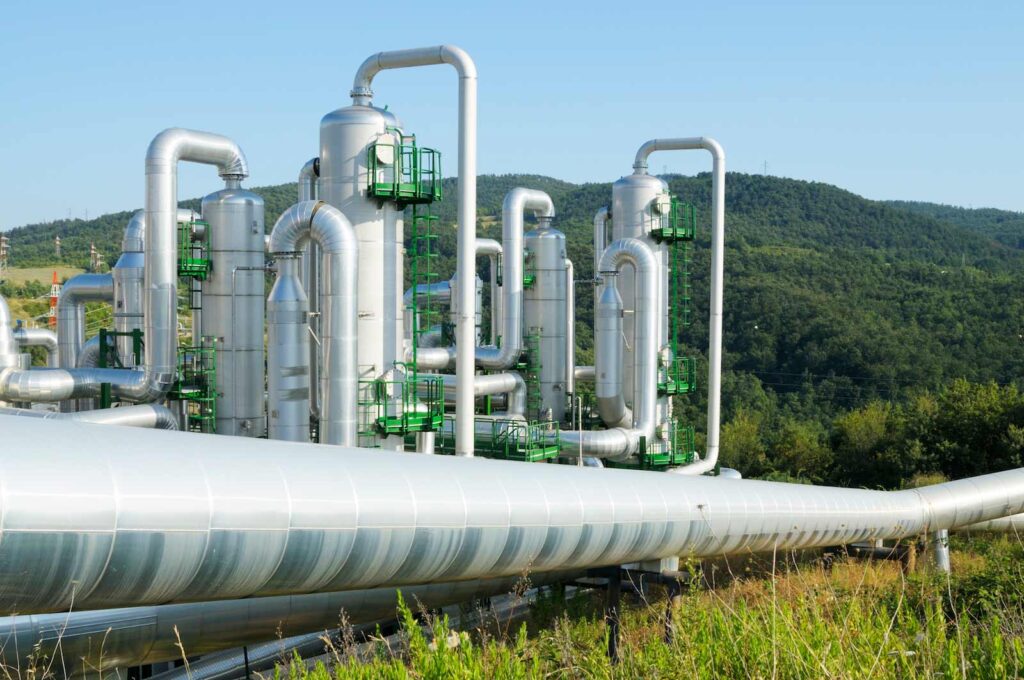
It is crucial for utilities and manufacturers to ensure quality assurance for split bolts in geothermal power development. Quality assurance is a process that integrates material science, electrical engineering standards, and environmental durability controls. The QA process begins with material verification through chemical composition analysis, conductivity testing, and corrosion resistance validation. This is crucial for geothermal plants with the presence of fluids with hydrogen sulfide and chlorides that worsen corrosion. The QA process also includes manufacturing process control, mechanical and electrical testing, corrosion testing, and certification compliance. Effective QA for split bolts offers reduced electrical losses, improved system reliability, enhanced safety, and extended service life. These measures prevent connector failures that can lead to grounding faults and system instability.
Functions of the split bolts in geothermal energy development infrastructure
Split bolt connectors offer mechanical and electrical connections in geothermal energy infrastructure. The bolts enable electrical integrity, system safety, and operational flexibility. It is crucial to select the right bolt to ensure its safety and efficiency in geothermal power systems. Here are the roles of split bolts in geothermal energy infrastructure.
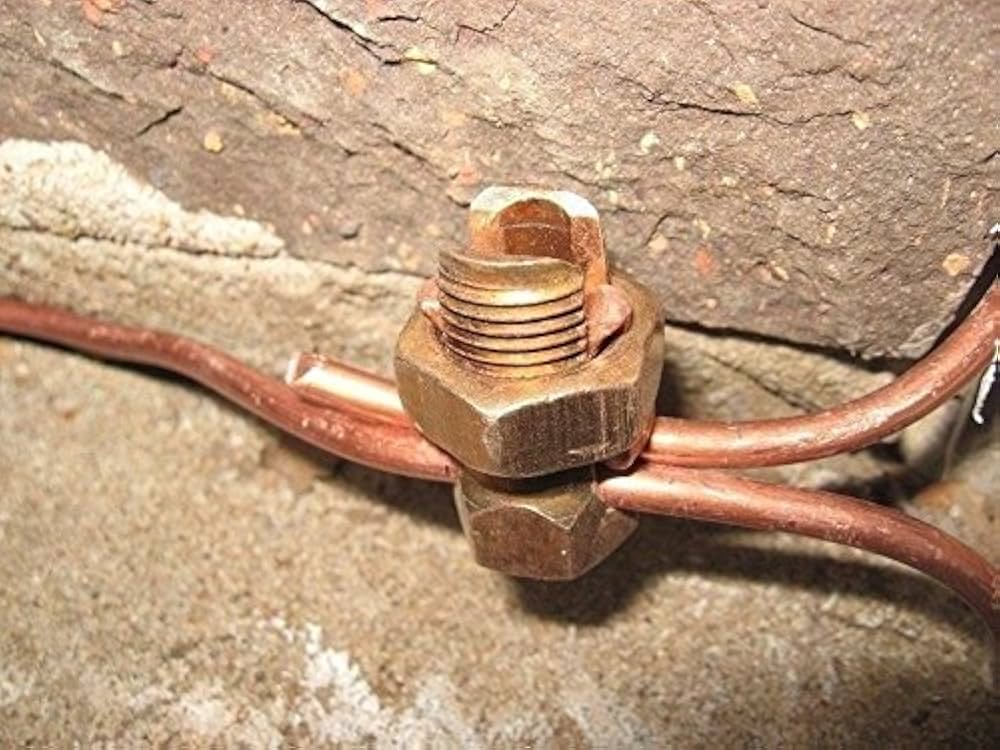
- Grounding and earthing network integrity—split bolts interconnect grounding conductors in geothermal plants. The bolts ensure stable voltages during transient events.
- Cable jointing and electrical continuity—the bolts provide reliable mechanical and electrical joints in low- and medium-voltage systems.
- Corrosion-resistant electrical interfaces—split bolts provide stable conductive interfaces, maintain electrical performance, and support the durability of grounding and bonding systems.
- Lightning protection and surge dissipation—the bolts secure bonding of lightning protection conductors. They also offer reliable current transfer from strike points to earth grids.
- Support for modular and scalable infrastructure—split bolts enable expansion of electrical networks and easy integration of new generating units.
- Mechanical reinforcement of conductors—split bolts provide mechanical clamping strength. They maintain tight conductor contact, resist loosening due to thermal expansion, and support conductor alignment in exposed installations.
Infrastructure supporting geothermal energy infrastructure in Peru
The development of geothermal energy in Peru requires strong infrastructure for effectiveness and dependability. This encompasses the utilization of underground resource access, above-ground plant systems, and supporting external infrastructure. Every element has to be designed for corrosive fluids, seismic forces, and remote transportation. This framework encompasses:
- Subsurface infrastructure begins with the characterization and access to the geothermal reservoir. It encompasses geophysical survey systems, exploratory and extraction wells, along with downhole logging instruments.
- Wellfield and steam collection—surface facilities are essential for the extraction and transportation of geothermal fluids following the establishment of wells.
- Power generation facilities – this infrastructure comprises flash steam plants and binary cycle plants. It includes heat exchangers and condensers, steam turbines and generators, along with cooling towers.
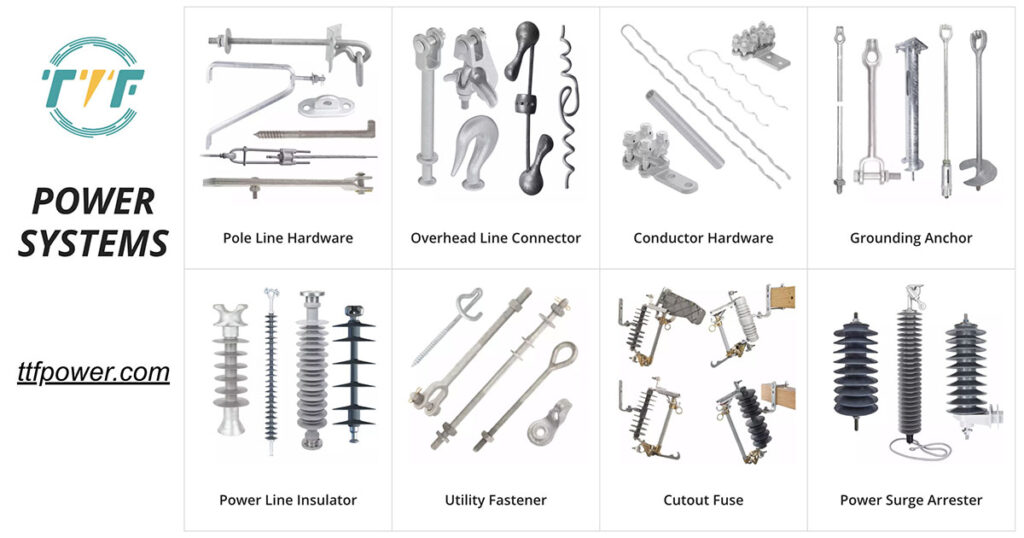
- Electrical transmission and grid integration—this encompasses step-up substations, overhead transmission lines held up by split bolts, and grid interconnection systems connecting to regional networks.