
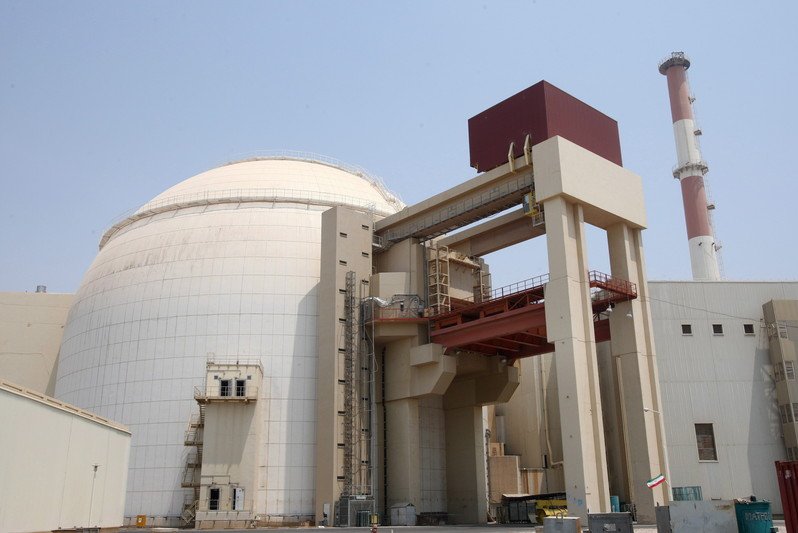
Recently, Nano Nuclear Energy submitted a private proposal to Dioxitek S.A., an Argentinian state-owned company specializing in nuclear fuel cycle and uranium dioxide production. The proposal concerns the potential joint development of a natural uranium hexafluoride production facility using Dioxitek’s existing infrastructure in Argentina. The proposal targets uranium conversion capacity and integration into fuel enrichment ecosystems. This development has the potential to upgrade existing infrastructure and expand capabilities beyond uranium dioxide into conversion services in Argentina. If successful, the development can create capital inflow and technology transfer, job creation in nuclear processing, and integration into global nuclear fuel markets. It may also face high capital intensity, exposure to uranium price volatility, and dependence on regulatory approvals. Shifting infrastructure from domestic fuel sufficiency to export-oriented nuclear services will need advanced chemical processing plants and corrosion-resistant materials. These connections will need the use of robust and corrosion-resistant line post insulators.
Post insulators ensure the safety and reliability of nuclear and uranium production facilities. They prevent the unwanted flow of electrical current in the system. Line post insulators secure and isolate live conductors from the supporting metal structures. This helps prevent short circuits, electrical arcing, and equipment damage that could disrupt plant operations. Since nuclear facilities generate large amounts of power, using the insulators maintains their structural and electrical integrity under these voltages. They protect sensitive equipment like control systems, transformers, and generators from power surges and electrical faults. The insulators reduce the frequency of maintenance and the risk of failures. This will maximize transmission efficiency by reducing energy losses to support a sustainable low-carbon energy supply.
Quality assurance for line post insulators used in nuclear facilities
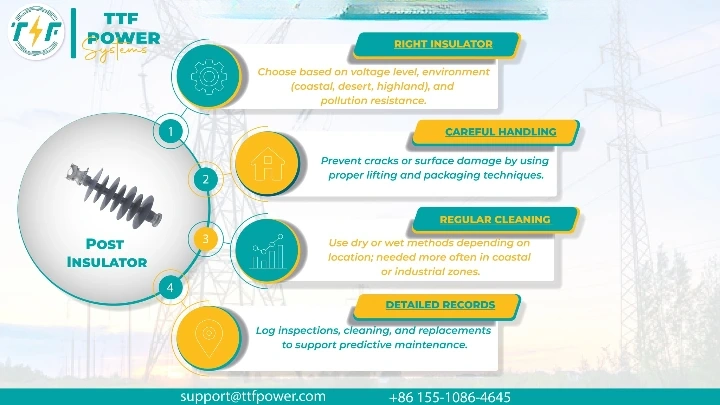
Line post insulators used in the nuclear facilities should meet safety classification, radiation exposure, and zero-failure tolerance needed for nuclear environments. The quality assurance framework for the insulator spans design validation, material integrity, manufacturing control, and lifecycle monitoring. Conducting quality assurance ensures the insulator remains reliable under electrical, mechanical, environmental, and radiological stress conditions throughout the facility lifecycle. It prevents flashovers, mechanical fracture, aging, and surface tracking. Quality assurance verifies dielectric properties, mechanical strength, and thermal expansion coefficients of the selected materials. Before production, the insulators undergo type testing under simulated extreme conditions, including electrical tests, mechanical tests, and environmental tests. QA ensures compliance with IEC, IEEE, and nuclear-specific QA frameworks. During manufacturing, QA focuses on defect prevention and process consistency.
The roles of line post insulators in nuclear and uranium production facilities
Line post insulators in these facilities perform structural, electrical, and safety-critical functions in high-reliability power systems. They ensure operational continuity, fault isolation, and environmental resilience in sensitive installations. Here are the common functions of the insulators in these facilities.
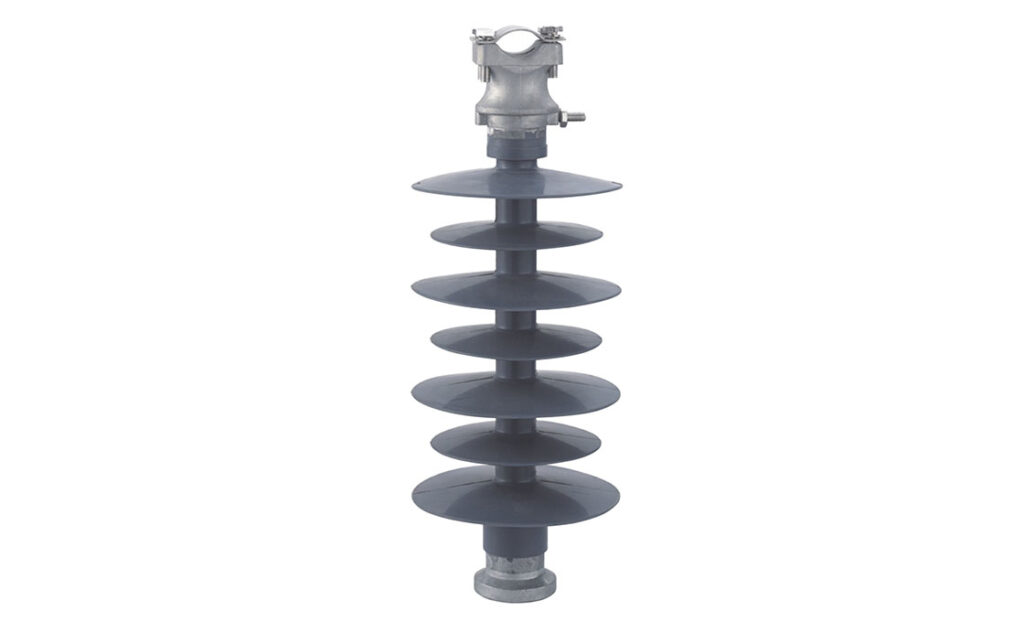
- Electrical insulation and phase isolation—the insulators electrically isolate energized conductors from grounded structures. They prevent leakage currents and maintain phase-to-ground and phase-to-phase separation.
- Mechanical support for conductors—line post insulators provide rigid mechanical support for overhead conductors and busbars. They resist forces and maintain conductor alignment and spacing.
- Fault containment and system reliability—the insulators withstand high transient voltages without flashover, maintain conductor positioning, and prevent escalation of faults into adjacent systems.
- Support for high-voltage switchgear infrastructure—line post insulators support busbars, disconnect switches, and circuit breakers. They also enable compact and modular substation designs to allow clearance management in high-voltage layouts.
- Surge and overvoltage performance—the insulators withstand lightning impulses and switching conditions. They also work with surge arresters to maintain insulation coordination in nuclear facilities.
Influence of nuclear and uranium production facility development in Argentina
The Nano Nuclear-Dioxitek proposal redefines the sector’s strategic direction. It positions Argentina to participate in high-value nuclear fuel markets, modernize and expand its nuclear infrastructure, and integrate into global energy supply chains. Here are the key impacts of this proposal in Argentina’s energy sector.
- Transition from energy generation to fuel-cycle participation—the proposal moves Argentina upstream into the nuclear fuel cycle, expands its role from energy producer, and positions the country within global nuclear supply chains.
- Strengthening domestic nuclear capabilities—the project could upgrade Dioxitek’s capabilities beyond uranium dioxide into uranium hexafluoride production. It could also revive stalled nuclear infrastructure projects in Argentina.
- Integration into global nuclear supply chains—the proposal aligns Argentina with growing demand for nuclear fuel due to small modular reactors and decarbonization strategies.
- Investment and economic stimulation—the development introduces investments in nuclear infrastructure and technology. It also leads to job creation in nuclear engineering, chemical processing, and high-spec manufacturing.