

Global energy consumption is growing faster, driven by increased coal and gas use. Colombia faces various challenges arising from energy demand while reducing greenhouse gas emissions to follow climate commitments. Colombia’s energy demand went up 3%, driven by economic and population growth, industrial expansion, and increased electricity access in rural areas. The country continues to invest in renewables to reduce greenhouse gas emissions and reliance on fossil fuels. This is a critical step towards sustainable energy goals and decarbonization. However, fossil fuels like gas and coal dominate the energy matrix, leading to increasing emissions. There are other challenges, such as solar and wind intermittency issues, that demand storage batteries for stability. To address these challenges, regions like La Guajira have the potential to increase wind and solar generation. Line post insulators reduce leakage currents to improve efficiency and reduce the need for fossil fuels.
Line post insulators provide mechanical support and electrical insulation for overhead power lines. They ensure stable transmission from renewable plants to urban centers. They are critical components in integrating renewable energy sources into the main electrical grid. Line post insulators serve in modernized transmission and distribution systems to enable smart metering and distributed renewable energy. They support overhead power lines for fast-charging stations to help the country transition to electric mobility. The insulators help extend clean electricity access to reduce reliance on diesel gensets. Modern composite insulators resist corrosion and EV damage to reduce replacement frequency and waste. Their lightweight design helps lower the carbon footprint of installation compared to ceramic or glass insulators. They therefore play a crucial role in infrastructure used to reduce emissions in Colombia.
Line post insulators in Colombia’s emissions-reducing energy infrastructure
High-quality line post insulators are able to reduce greenhouse gas emissions through supporting renewable energy transmission systems. It is a rigid device made of porcelain, polymer, or glass. It is able to support and insulate conductors on utility poles, resist electrical leakage and resist mechanical stress. Line post insulators are key components in renewable grid integration. The insulators help ensure the safe, reliable, and high-performance operation of power lines that deliver clean energy. The use of the insulators helps displace fossil fuels, cut emissions, and pave the way toward carbon neutrality. Here are the roles of line post insulators in energy infrastructure reducing emissions in Colombia.

- Enabling renewable energy distribution – Line post insulators carry clean electricity from remote renewable projects. They ensure reliable delivery to urban centers and EV charging stations. They support the replacement of fossil fuel-based generation with zero-emission solutions.
- Supporting electrification of transportation—these insulators keep EV grid connections resilient and stable. They ensure uninterrupted power for charging stations, and reduce emissions from the transportation sector.
- Enhancing grid reliability—a reliable grid reduces the need for backup diesel generators. The insulators help prevent power outages and leakage currents. They are crucial to improve grid reliability, and reduce transmission losses.
- Easing microgrid and decentralized systems—microgrids powered by solar or small hydro reduce dependence on fossil fuels. Line post insulators help in building resilient local networks and empowering off-grid communities with emission-free electricity.
Technologies reducing emissions in Colombia’s energy sector
Colombia is speeding up its transition to a low-carbon economy, modernizing and greening its energy infrastructure. The country has potential for hydro, wind, and high solar irradiance, matched with targeted investments in sustainable, emission-reducing energy infrastructure. The country is building more resilient, inclusive, and low-carbon energy systems. Technologies used include:
- Energy storage systems—there is continued development of battery energy storage systems used to stabilize the grid during variable renewable output. They help reduce fossil backup during peak demand and enable wider integration of solar and wind into the national grid.
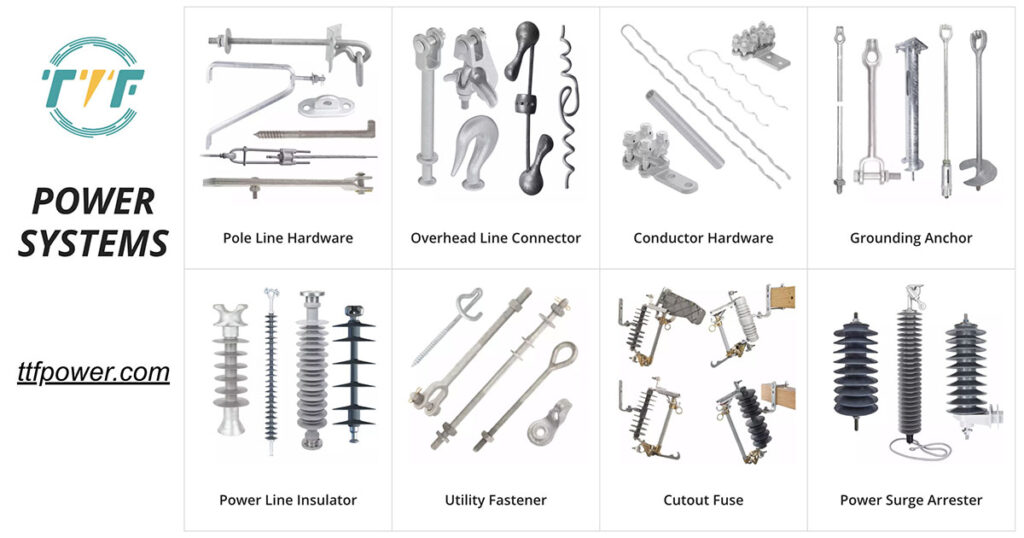
- Smart grid and transmission infrastructure—transmission lines reduce line losses and increase the reach of renewables. They use components like line post insulators, Stockbridge dampers, and suspension clamps for support and insulation, to reduce vibrations, and to secure overhead line management. It also includes substations and transformers, smart meters, and grid automation.
- Electric mobility infrastructure—there is development of public and private infrastructure powered by renewable energy. Electric buses and fleets are increasingly powered by solar and battery storage to reduce diesel dependence.
- Decentralized and rural microgrids—solar-powered microgrids bring clean energy to off-grid communities. They use compact transformers, distribution poles, guy thimbles, and smart inverters.