
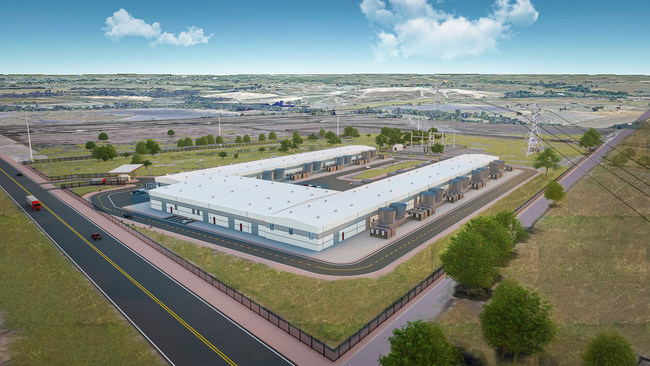
The increasing pace of digital expansion in Chile is transforming how economies and societies operate. Data centers in the country are the backbone of the ecosystem supporting digital lifestyles, from smart buildings to hyper connected industries. The energy sector aims to evolve toward hybrid architectures to combine centralized, regional, and local edge computing. It aims for connected, sustainable, and adaptable. Chilean industries must leverage the power of the connected infrastructure to achieve more sustainable, efficient, and adaptable data centers. This will include high-density modular infrastructure with direct-to-chip liquid cooling systems. The next generation of data centers will combine artificial intelligence and energy efficiency. It creates a more sustainable, resilient, and future-proof digital infrastructures. The development of next-generation, AI-driven, and energy-efficient data centers relies on robust infrastructure. Ductile iron pipes and utility tunnel systems provide a shield for fiber optic and high-voltage power cables.
Ductile iron pipes have tensile strength and impact resistance to withstand external loads from the construction of data centers. The ductile iron pipes can deform under stress without failing. This makes the water infrastructure resilient to ground movement. The iron pipes create a tight, reliable seal to reduce leaks. Some of the modern pipes are protected with cement mortar to ensure a long service life. Data centers house equipment and irreplaceable data. This demands fire suppression systems to safeguard the equipment.
Iron pipes handle the high pressures needed for fire protection systems. Their strength ensures that the system performs as designed without pipe failure. This protects the physical infrastructure and the digital ecosystem it supports. They protect against excavation accidents, rodent damage, and soil pressure. This ensures the resilience of the hyper connected core of the data center. It also provides electromagnetic interference shielding. This protects which protects sensitive signal integrity in power cables.
Significance of data centers in Chile’s digital ecosystem
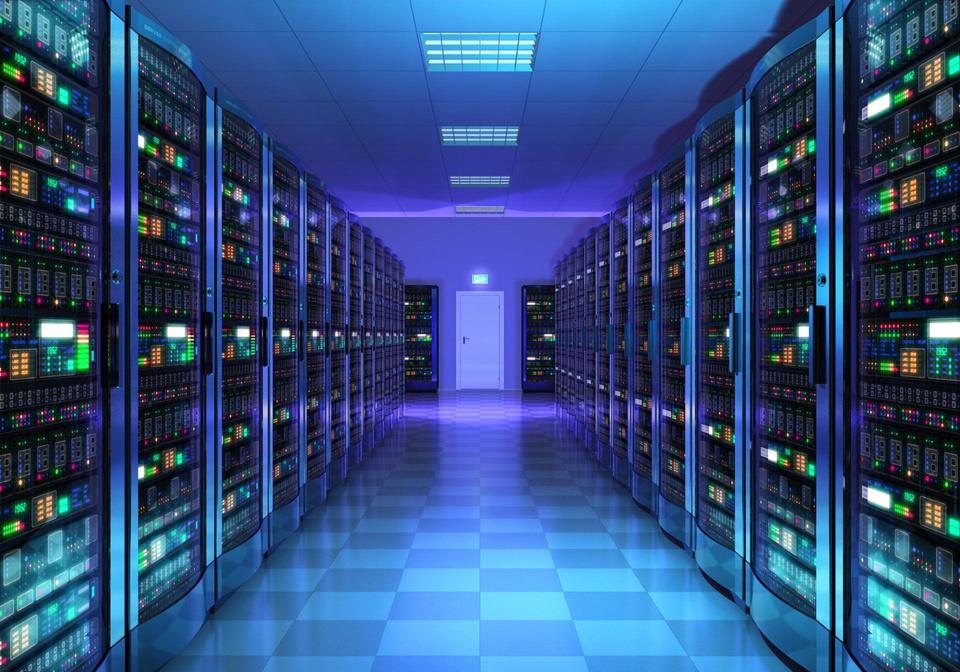
There is increased dependence on cloud platforms, fintech services, streaming, and e-commerce. Data centers host and process massive amounts of real-time data needed to sustain digital lifestyles. Additionally, sensors, automation systems, and intelligent controls depend on uninterrupted data flows. These support smart buildings, IoT networks, and hyper connected industrial ecosystems. Local processing reduces latency to ensure that smart-grid systems, automated logistical hubs, and advanced manufacturing remain efficient and responsive. Merging AI with energy-efficient operations enhances resilience, sustainability, and operational intelligence. AI use in data centers leads to predictive maintenance, automated load balancing, energy-use forecasting, cooling optimization, and cybersecurity monitoring. Chile’s integration of microgrids combines renewables and battery energy storage, adoption of free cooling, use of heat-reuse systems, and deployment of power usage effectiveness. These demand the use of robust infrastructure supported by power line hardware like ductile iron pipes.
Functions of ductile iron pipes in data centers supporting digital infrastructure in Chile’s energy sector
Ductile iron pipes supports modern data centers and the fast-growing integration of artificial intelligence. It facilitates the development of cooling systems and interconnected utility networks. Ductile iron pipes components provide the mechanical strength, durability, and reliability needed to keep the environments stable and resilient. Here are the functions of the iron pipes in next-generation digital infrastructure.
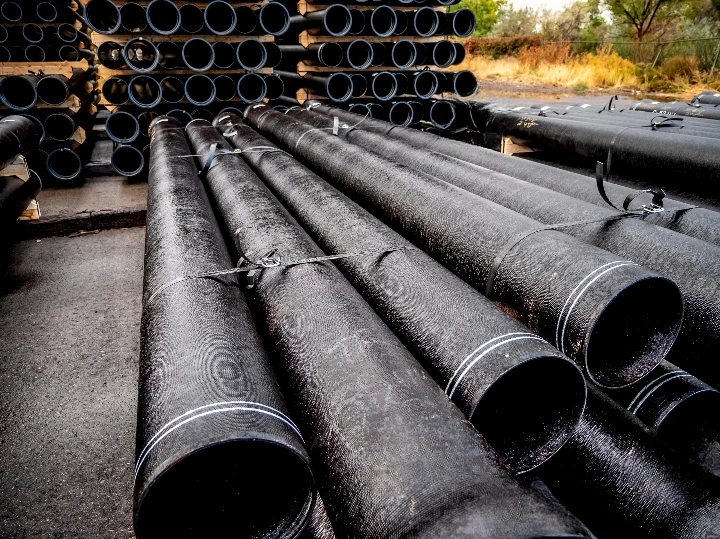
- Structural reliability for heavy-duty utility networks—data centers need robust underground systems for power, water, and fiber connectivity. Ductile iron pipes offers its superior tensile strength and impact resistance. It protects cable management routes against soil pressure, vehicle loads, and seismic shocks.
- Enhancing cooling and water infrastructure—high-density racks and AI clusters produce intense heat loads. It pushes demand for advanced liquid cooling systems. The ductile iron pipe serves as the preferred material in water supply and cooling pipe networks.
- Protecting fiber and communication pathways—AI integration depends on real-time data transfer between servers, edge devices, and external networks. Using ductile iron pipes reinforces conduit systems and shields communication lines. It provides secure enclosures for edge communication nodes.
- Supporting renewable energy and microgrid integration—ductile iron pipe is a crucial component in solar, wind, and battery energy storage systems. It houses underground power distribution piping and connectors. It reinforces enclosures for transformers, switchgear, and renewable interconnection points.
Digital infrastructure enhancing energy efficiency and sustainability in Chile
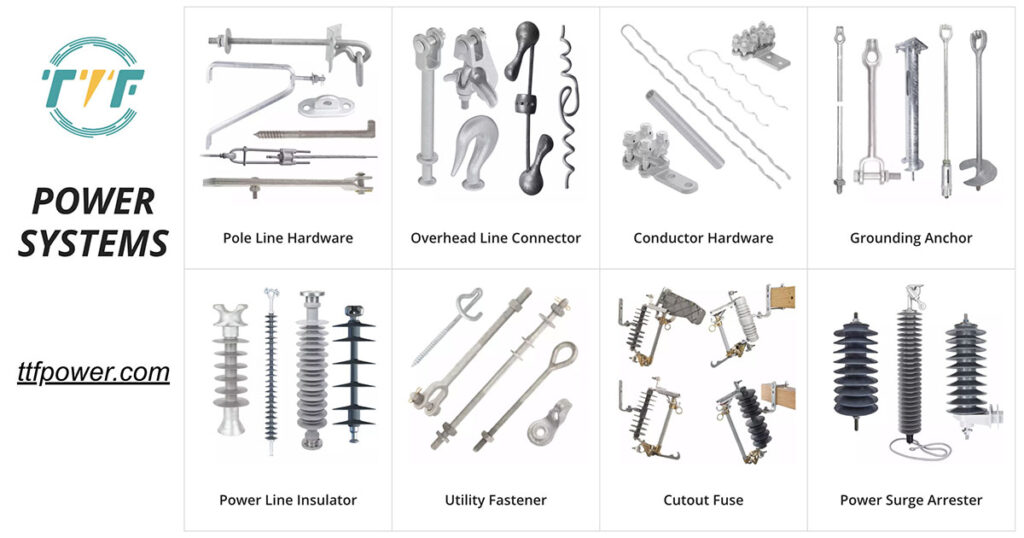
Chile’s commitment to clean energy supports green data center development with increased solar and wind resources. These resources help operators to power facilities with renewable generation. This leads to integration of microgrids combining renewables and battery energy storage. It also supports adoption of free cooling strategies, use of heat-reuse systems, and deployment of power usage effectiveness targets. These innovations align with global ESG (environmental, social, and governance) expectations. It also helps attract foreign investments for climate-aligned digital infrastructure.