
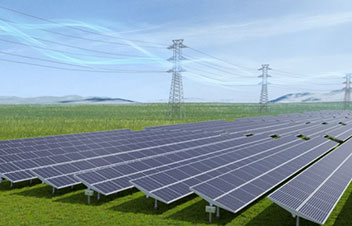
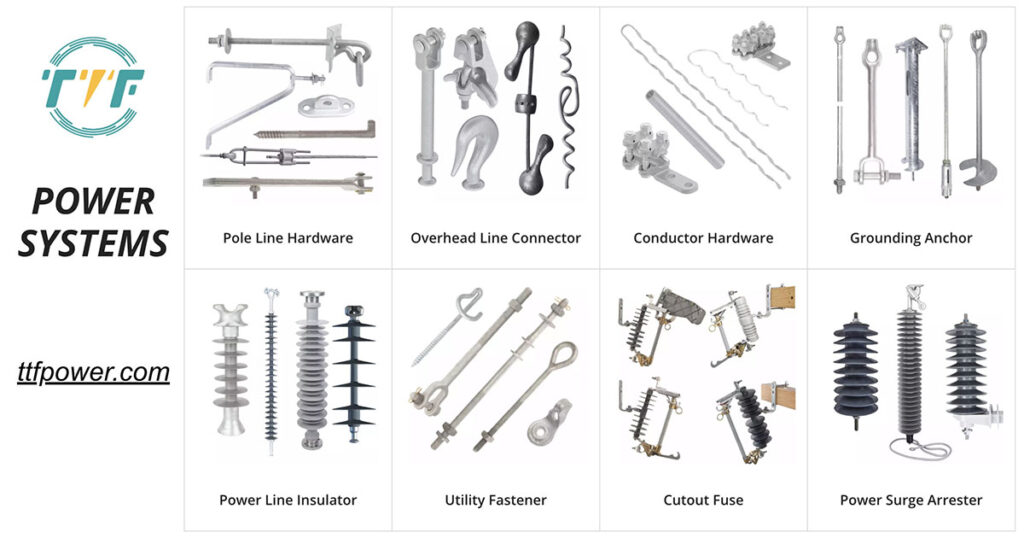
Peru has plenty of renewable energy resources supporting the electricity grid. The country has 14.5 GW of photovoltaic capacity with approved pre-operational studies. 2.5 MW is expected to be connected to the electrical grid during 2027. However, only 14 projects have obtained final concessions for operations. Solar development will increase the share of renewable electricity in Peru’s generation mix. New photovoltaic plants will diversify these sources and reduce dependence on hydrological conditions and gas-fired generation. This expansion will affect electricity generation, transmission infrastructure, power market operations, and Peru’s renewable energy investment outlook. These projects will demand transformers, protection systems, and overhead line hardware to deliver electricity from generation sites to consumption centers. This will create demand for double clamp brackets, insulators, grounding clamps, and surge arresters. These projects will help maintain the balance between electricity supply and demand as more PV plants connect to the grid.
In solar plants, double clamp brackets secure two adjacent solar panels to a mounting rail. They acts as a mid-clamp and bridges the gap between two solar modules. The bracket holds the inner frames of two neighboring solar panels against a shared mounting rail. This creates a continuous and secure array without needing separate clamps for each panel edge. Most of the double clamps use EPDM rubber pads that sit between the metal clamp and the aluminum panel frame to prevent galvanic corrosion and protect the frame from scratches. The bracket distributes mechanical loads across the shared rail to help maintain the structural integrity of the installation. In transmission lines, the clamps distribute the high tension of the transmission lines across multiple suspension plates.
Quality assurance for double clamp brackets used in solar plants and transmission infrastructure
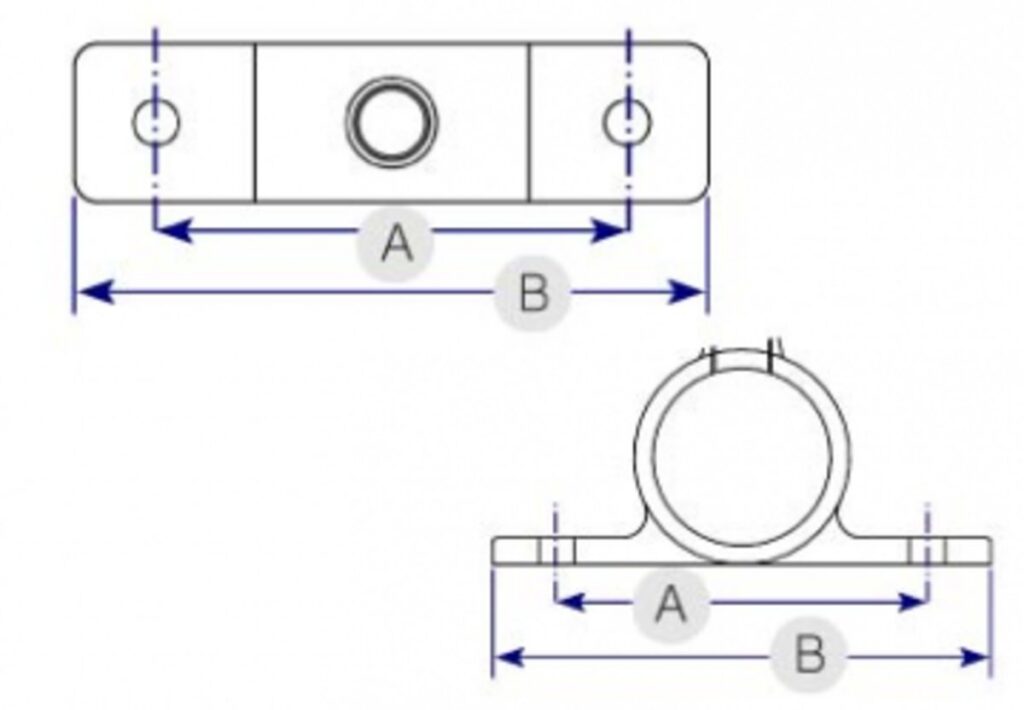
Double clamp brackets provide mechanical support and secure connections between structural members in electrical infrastructure. They form part of mounting and support assemblies in the projects. The brackets help maintain secure connections between compatible components under mechanical loads and outdoor operating conditions. Peru’s growing photovoltaic sector and investment in electricity transmission infrastructure increase the need for reliable structural and electrical support components. Solar projects in Peru face strong sunlight, temperature variations, dust, and corrosive environmental conditions. Quality assurance helps verify that double clamp brackets meet their specified material, dimensional, mechanical, and corrosion-resistance requirements before delivery. It also helps contractors avoid installation problems and premature component failures. The QA process for the brackets covers material inspection, dimensional accuracy, mechanical strength, galvanizing quality, and fabrication inspection. QA prevents defects that may cause brackets to deform under mechanical loads, loosen at their fastening points, or deteriorate because of corrosion.
Double clamp brackets in solar projects and transmission in Peru
Double clamp brackets secure compatible structural members in electrical and energy infrastructure. Their operation depends on their design, connection arrangement, and installation location. The clamps support connections between structural members and line hardware. Their key functions in the infrastructure include:
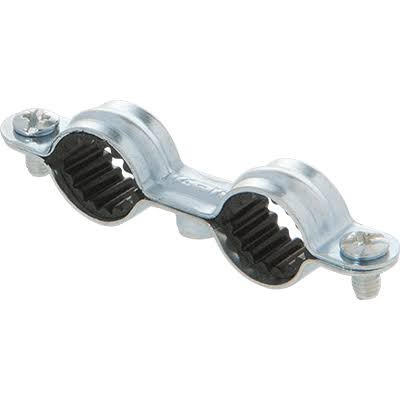
- Securing solar panel mounting structures: solar panels need stable mounting structures to maintain the panels’ designed positions and orientations. Double clamp brackets help hold connected members together and prevent unwanted movement at fastening points.
- Connecting and supporting transmission line structures: the brackets form part of mechanical support assemblies used in transmission infrastructure. They help maintain the structures’ specified positions under mechanical loading.
- Supporting structural stability under wind loads: solar plants in Peru should withstand wind forces acting on PV modules and their support structures. Double clamp brackets help secure connected structural members so that loads can pass through the designed support arrangement.
- Supporting electrical equipment installations: double clamp brackets can support mounting arrangements for compatible equipment and structural accessories.
Financial investments supporting Peru’s new solar developments
Developers need enough capital to acquire land, purchase PV modules, install solar trackers, and build transmission connections. Investors must consider permitting requirements, grid connection capacity, construction costs, electricity costs, and expected returns. The investments show the financial commitment needed to expand Peru’s PV generation capacity. Financial investments will support the purchase of PV modules and inverters, solar trackers, electrical transformers, support structures, grid connection equipment, and transmission lines. It will also help Peru attract companies with the capital and technical experience needed to develop large-scale solar facilities. These investments will also support regional economic activity through construction contracts, equipment purchases, logistics services, and technical employment. Financial support also covers BESS and other technologies that help electricity networks manage variable solar generation.