
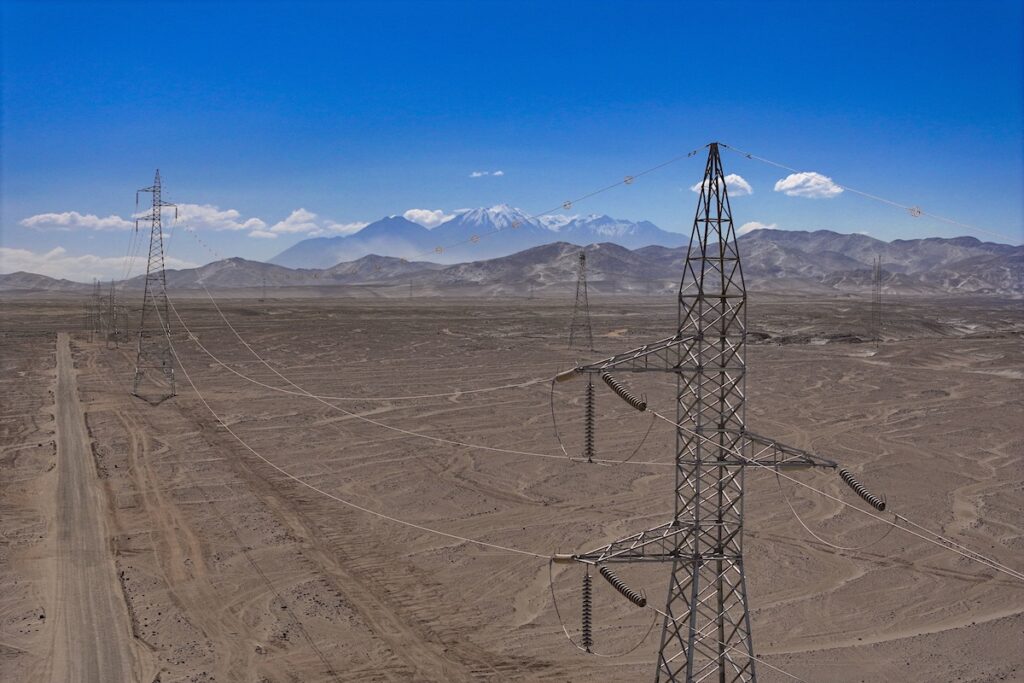
Actis has completed the sale of Orygen, a power generation platform in Peru, to Grupo Romero through an energy and infrastructure investment platform. Orygen is the second-largest power generation platform in Peru with 2.3 MW of installed capacity. This energy includes 28% of wind and solar, 34% of hydropower, and 38% of thermal gas assets. Peru’s energy infrastructure is structured to support reliability, grid stability, and renewable integration. Renewable energy infrastructure in the country includes utility-scale solar PV systems, wind power infrastructure, hydropower infrastructure, transmission and distribution infrastructure, and integration and system synergy. This approach enables scalability, resilience, and efficient energy dispatch across Peru’s landscape. Power line hardware components such as the crossover clamps maintain mechanical stability, electrical efficiency, and grid safety. Crossover clamps enable the integration of variable renewable energy into the national grid.
Crossover clamps ensure the safety, reliability, and structural integrity of various infrastructure. The clamps act as mechanical fasteners to secure intersecting cables, pipes, or structural supports. In wind energy, the clamps secure conductors in overhead transmission lines to prevent electrical arcing. Crossover clamps in battery storage organize high-voltage cables and interconnecting battery modules, inverters, and power distribution systems in lithium battery plants. The clamps ensure structural stability of storage racks, manage thermal expansion, and resist heat from high-current cables. Crossover clamps secure and organize cables within substations, power distribution panels, and along cable trays. They maintain clear safety zones, reduce the risk of electrical shorts, and allow for organized routing and easy maintenance access.
Quality assurance for crossover clamps used in renewable energy infrastructure
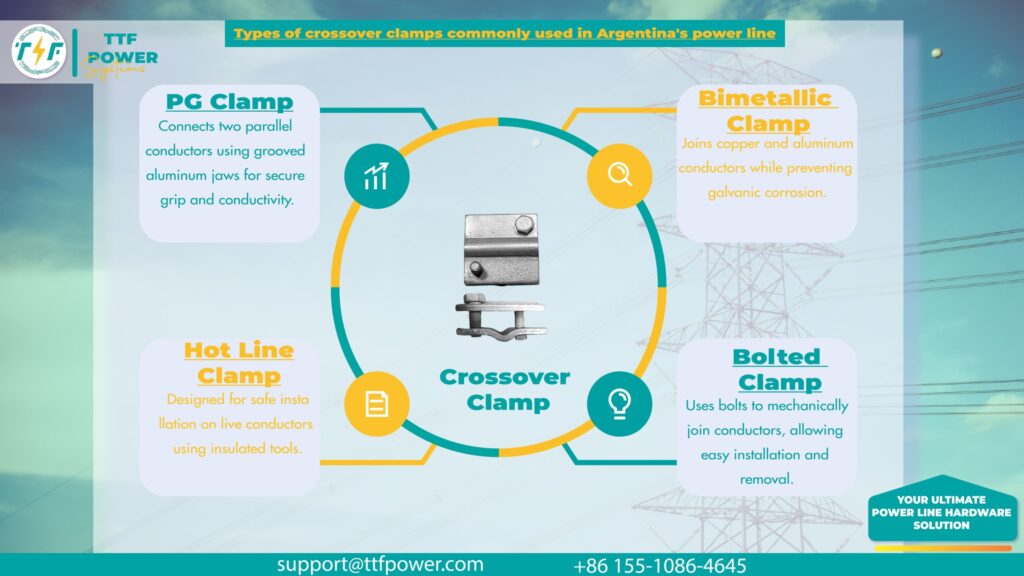
Quality assurance for crossover clamps ensures mechanical integrity, electrical continuity, and durability under diverse environmental conditions. The assurance process begins with material verification to check for tensile strength, hardness, and fatigue resistance to handle conductor loads. It also includes checking the design and manufacturing control. Other quality assurance processes include electrical performance testing, mechanical performance testing, and durability testing. Ensuring effective quality assurance for crossover clamps ensures reliable conductor interconnection, reduces transmission losses, and prevents mechanical failures. QA prevents conductor slippage, overheating, and premature failure that helps enhance grid reliability. Testing and standards compliance reduce maintenance costs, extend service life, and support power delivery across wind and solar installations. Quality assurance supports grid stability, asset longevity, and efficient integration of distributed generation sources.
Functions of the crossover clamps in Peru’s renewable energy infrastructure
Crossover clamps perform mechanical and electrical roles in transmission and distribution networks linking solar, wind, and hydropower plants to the grid. The clamps maintain conductor integrity, ensure efficient power transfer, and support stable grid integration across diverse regions. Here are the functions of the crossover clamp in renewable energy infrastructure.
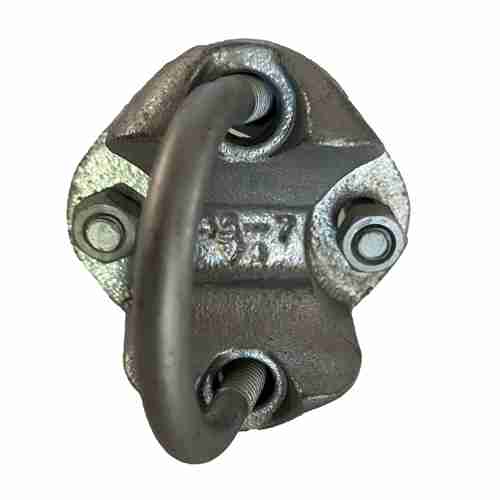
- Conductor interconnection—crossover clamps join or cross-connect conductors at network intersections. The clamps are common in duplex routing from remote renewable plants in the Andes or coastal regions.
- Mechanical support and stability—the clamps provide secure mechanical anchoring at crossover points and maintain conductor spacing and alignment.
- Electrical continuity—crossover clamps ensure low-resistance electrical contact between connected conductors. They also reduce power losses and prevent localized overheating for efficient evacuation of renewable energy.
- Load distribution—the clamps help distribute mechanical loads across conductors to reduce stress concentrations at crossing points. They improve the lifespan of the conductor and associated hardware.
- Vibration mitigation support—crossover clamps limit aeolian vibration and galloping effects. These are common in open terrains where most renewable plants are located.
- Grid integration support—crossover clamps enable flexible network configurations to support interconnection between circuits and substations.
Impacts of renewable energy infrastructure investments in Peru
Renewable energy infrastructure investments produce system-level effects across the power sector, economy, and environment. They influence grid performance, cost structures, and long-term energy security. Investments in renewable energy infrastructure influence:
- Energy mix diversification and security—investment in solar, wind, and hydropower reduces dependence on single-source generation.
- Reduced generation costs—utility-scale renewables have low marginal costs, which exert downward pressure on wholesale electricity prices.
- Grid modernization and expansion—renewable projects need new transmission lines, substations, and smart grid systems. Modernization improves voltage stability, dispatch flexibility, and integration of distributed generation.
- Regional development and infrastructure growth—renewable projects lead to improved local infrastructure, increased electrification rates, and local economic activity during construction and operation phases.
- Investment attraction and market confidence—investments in large-scale projects increase capital inflows and support infrastructure financing.