
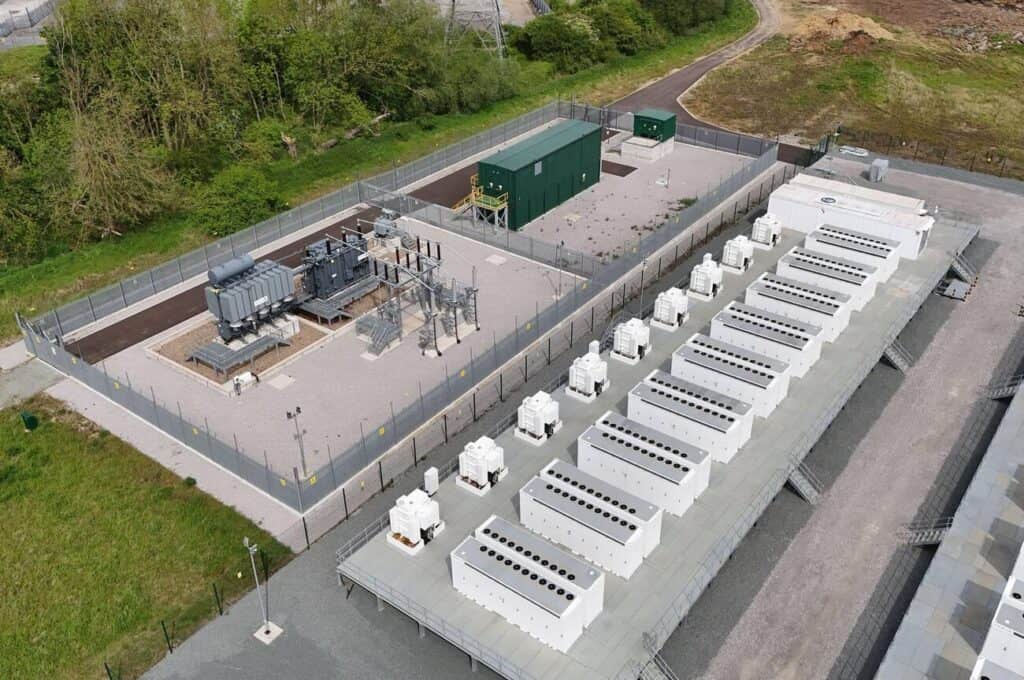
Colbún’s hybridization of the 232 MW Diego de Almagro Sur PV project with a 228 MW, 912 MWh storage system is a significant technological and commercial accomplishment in Chile’s National Electric System. The project will improve grid resilience, reduce curtailments, and accelerate Chile’s transition to a high-renewable, low-carbon energy matrix. This project focuses on curtailment reduction, peak shifting and arbitrage, grid stability and auxiliary services, and transmission congestion relief. The project’s key technical components include advanced energy management systems, SCADA connectivity with the grid, grid-following inverter systems, and utility-scale lithium-ion battery technologies. The combination of these systems enables utilities to increase renewable energy supplies while also stabilizing Chile’s electrical system. These systems are interconnected using strong hardware such as bolted cable spacers.
Bolted cable spacers maintain a fixed separation between bundled conductors in an electrical system. They enhance the safety, efficiency, and structural integrity of the BESS system development. Bolted cable spacers keep bundled conductors at a precise, fixed distance from each other along the transmission line. They prevent the cables from clashing together due to magnetic forces. Bolted spacers provide a rigid mechanical constraint keeping the conductor bundle intact and prevent phase-to-phase contact during events. The spacers are designed with high mechanical strength to withstand the impulsive forces. They ensure the conductors maintain their geometry during a fault to allow protective relays to clear the fault without destroying the cable infrastructure. The cable spacers offer mass and clamping force that reduce fatigue on the cables and extend the lifespan of the BESS interconnection assets. The spacers ensure that the inductance and capacitance of each sub-conductor in the bundle are equal. They allow the current to divide equally among the conductors to prevent overheating of individual cables.
Quality control for bolted cable spacers utilized in Chile’s BESS Development
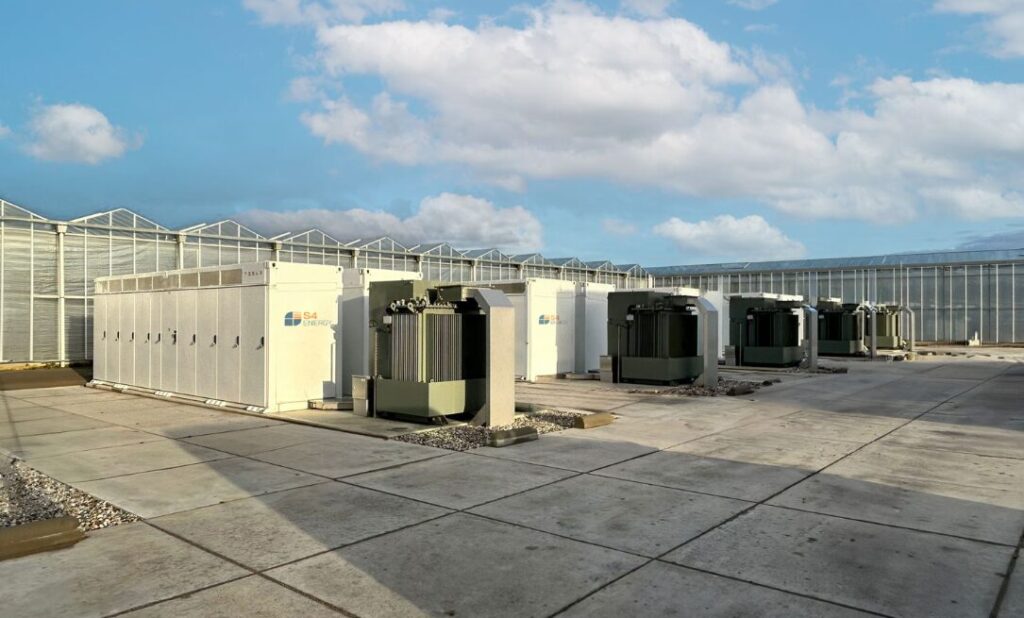
Quality assurance for bolted cable spacers is a critical control in medium-voltage and high-voltage cable installations. Cable spacers maintain conductor separation, mechanical alignment, and dielectric integrity along overhead-to-underground transitions. Chile has harsh desert climates, seismic activity, and rapid renewable deployment. This makes quality assurance for cable spacers crucial to address mechanical reliability, electrical performance, environmental resistance, and regulatory compliance. Quality assurance for bolted cable spacers in Chile’s BESS project development helps maintain conductor separation, mechanical stability, and electrical safety. The process include material validation and corrosion resistance testing to torque control and seismic evaluation. Properly tested and certified cable support hardware remains integral to safe grid integration and sustained dispatch performance.
Bolted cable spacers in Chile’s BESS project development
Bolted cable spacers perform mechanical and electrical control in BESS developments. They are essential in maintaining conductor geometry, insulation integrity, and operational safety in medium and high-voltage interconnection infrastructure. The spacers are hence crucial for BESS projects located near solar PV plants in desert or seismic zones. Here are the main uses of bolted cable spacers in BESS projects.
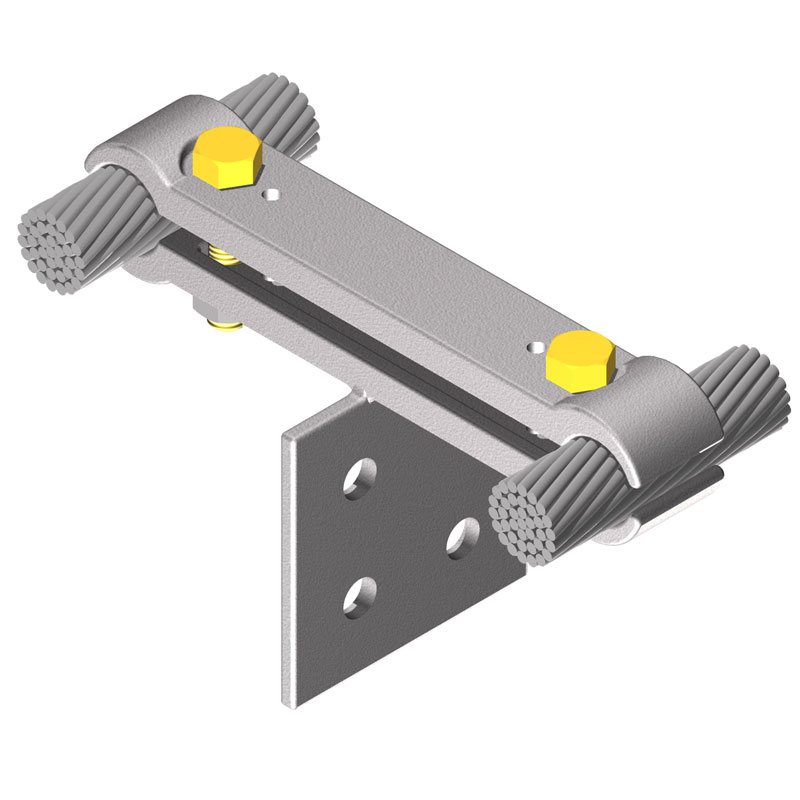
- Maintaining phase separation – the bolted cable spacers maintain fixed spacing between conductors. The spacers prevent phase-to-phase contact,insulation breakdown, and electrical faults under wind or mechanical movement.
- Controlling electromechanical forces during faults – cable spacers restrict excessive conductor movement, absorb and redistribute mechanical stresses, and prevent conductor clashing.
- Vibration mitigation in high-wind regions – bolted cable spacers reduce oscillation amplitude, maintain geometric stability, and reduce fatigue damage. They protect cable insulation and termination hardware from premature wear.
Commercial and market consequences for Chile’s BESS project development
Chile’s large-scale battery energy storage system project is reshaping the power market structure, revenue patterns, and investment opportunities. Chile is shifting from rapid solar and wind development to system flexibility and dispatch optimization. BESS installations allow for energy arbitrage, involvement in ancillary service markets, and improved compliance with firm energy supply contracts. Chile’s Atacama region has some of the world’s greatest sun irradiation levels, resulting in an overstock during the day. Using BESS projects to store energy improves asset use rates, increases effective plant load factors, and boosts internal rates of return for hybrid projects. BESS project development minimizes reliance on thermal peaker units while also lowering system balancing expenses. This can reduce wholesale price volatility, improve system reliability metrics, and strengthen investor confidence. Enhancing grid reliability and stability influences costs and long-term contracts.