
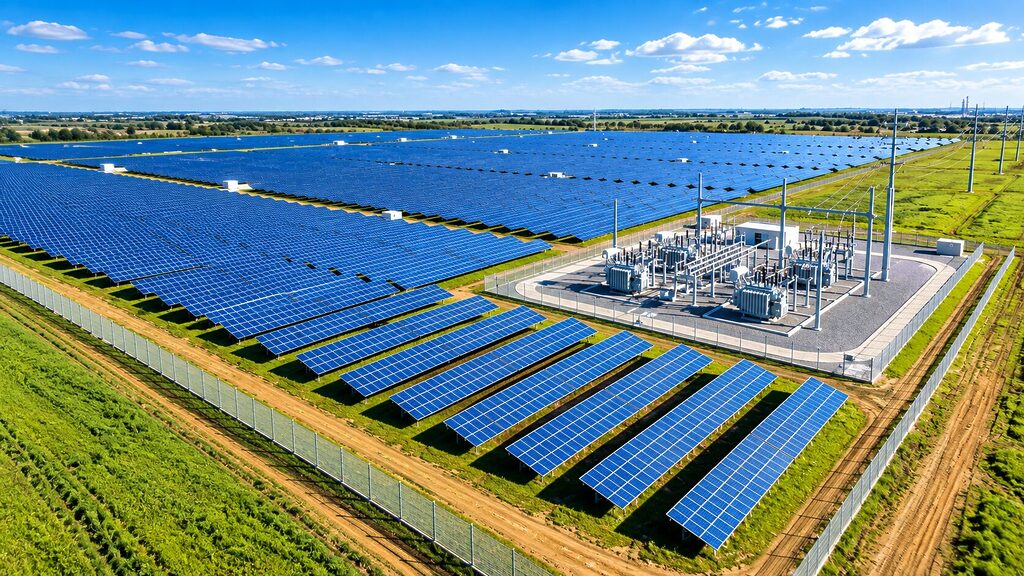
Chile has plenty of potential to expand solar power from its high solar radiation in the northern regions. This creates ideal conditions for large-scale solar power generation. Chile needs suitable regulations, electricity market arrangements, technical expertise, and investment. This will support the development of concentrating solar power that stores thermal energy in molten salt systems. This allows a plant to generate electricity after sunset. Thermal storage also helps address the challenge of matching electricity supply with demand. The development will demand the interconnection of grid connections, electricity dispatch, and management of variable renewable generation. Chile must develop transmission infrastructure to transport electricity from generation sites to demand centers. This creates demand for high-voltage transmission lines, cable suspension bolts, grounding equipment, and insulators. These developments will help establish the systems that can operate under Chile’s environmental and electricity market conditions.
Cable suspension bolts transfer the mechanical loads of heavy power and communication cables to the supporting structures. They help connect the distribution and transmission parts of the solar plant to the grid. They secure the clamps that hold conductors and earth cables to the insulator strings on transmission towers. The bolts bear the vertical weight of the cables and the lateral forces. This helps transfer the stresses into the tower structure, preventing cable sagging or structural failure. Bolts are tightened to specific torque values to hold dampers and suspension hardware. This prevents loosening under constant wind-induced vibration, which could lead to fatigue failure of the cable strands. Cable suspension bolts ensure the cables maintain the required safe distance from grounded structures and reduce the risk of short circuits. In solar plant infrastructure, the bolts suspend cable trays and hangers that route power from inverters and data cables from monitoring systems.
Quality assurance for cable suspension bolts used in solar plant infrastructure
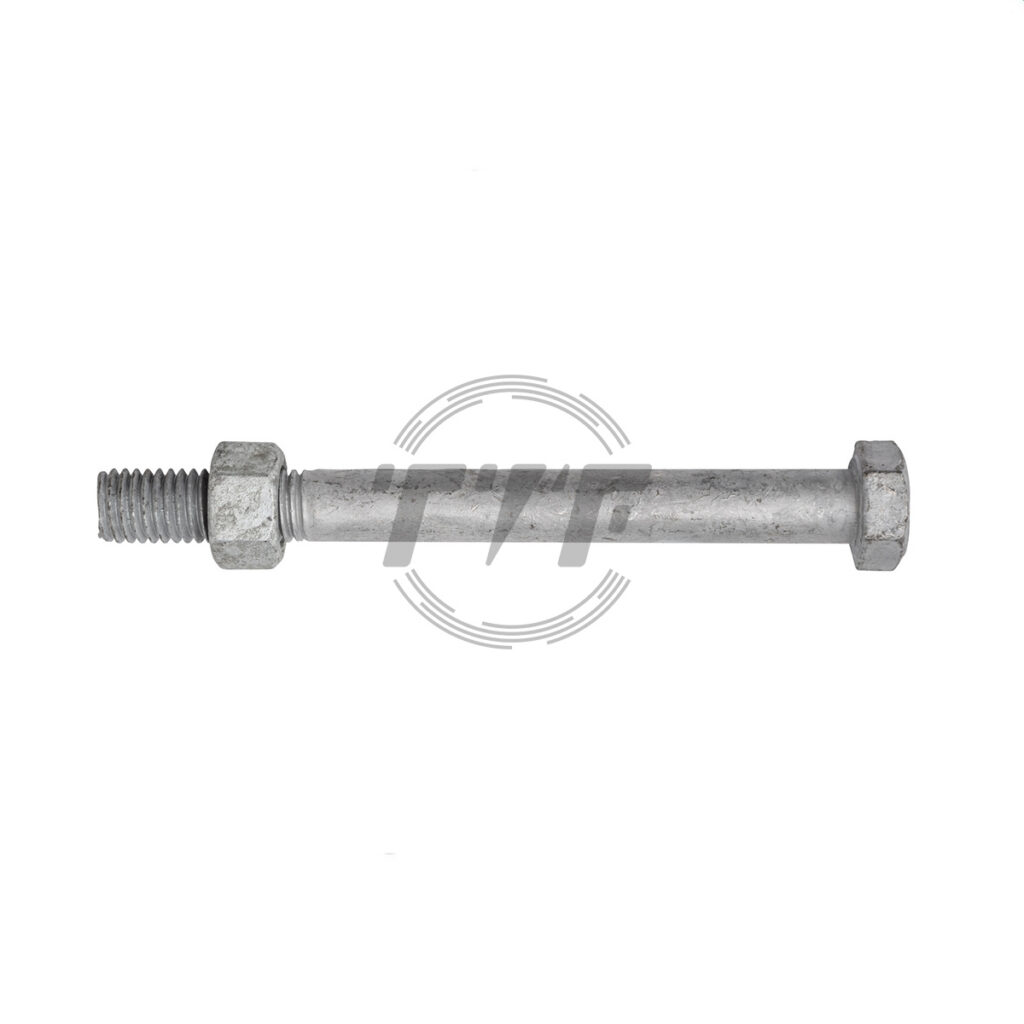
The solar energy sector depends on reliable electrical infrastructure to transport power from generating facilities to transmission networks. Solar plants operate under demanding environmental conditions, including high temperatures, intense UV radiation, dust, and saline exposure that can affect electrical and mechanical connections. Cable suspension bolts support and secure cable suspension assemblies due to their mechanical strength, dimensional accuracy, and corrosion resistance. Conducting quality assurance helps manufacturers verify that cable suspension bolts meet the required material, mechanical, dimensional, and coating specifications before delivery to solar projects. Poor-quality bolts can loosen, deform, or corrode under service conditions. This increases maintenance requirements and the risk of cable support failure. The QA process includes material inspection, dimensional accuracy, tensile strength and mechanical load testing, and corrosion protection. The manufacturing process covers steel cutting, forming, threading, heat treatment, galvanizing, and packaging. Quality assurance helps reduce component failures while supporting Chile’s expansion of solar electricity infrastructure.
Cable suspension bolts in Chile’s solar plant infrastructure
Chile’s energy sector depends on electrical infrastructure that can withstand diverse environmental and operating conditions. The systems demand reliable support systems to connect electrical equipment and maintain secure cable routes. The functions of the cable suspension bolts in the solar infrastructure include:
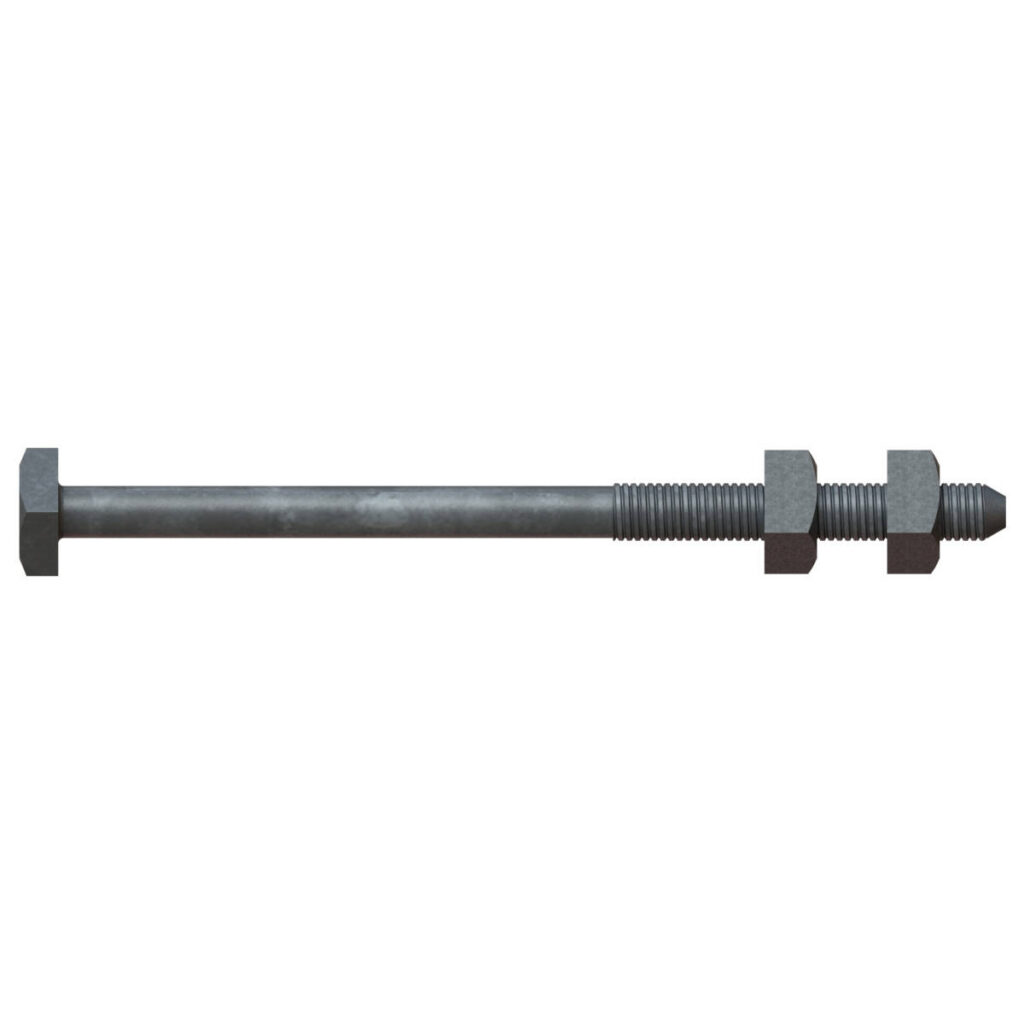
- Securing cable suspension assemblies: cable suspension bolts secure suspension hardware to its supporting structure. The bolts fasten clamps, brackets, or support fittings to their mounting points.
- Supporting mechanical loads: cable suspension bolts help transfer mechanical loads from the suspension assembly to its supporting structure. The bolts should withstand the loads specified by the installation design without excessive deformation.
- Maintaining cable positioning and alignment: the bolts help maintain the alignment of supporting components. They keep the suspension clamps and brackets in their intended positions.
- Maintaining the stability of overhead electrical infrastructure: cable suspension bolts ensure the overhead cable support systems used in electrical infrastructure.
Impacts of Chile’s increasing solar capacity
Solar capacity expansion in Chile is changing its electricity sector, industrial development, and energy infrastructure needs. Adding more solar generation can help reduce its dependence on fossil fuels, diversify electricity supply, and support the growing energy needs of mining industries. The expansion also creates the expansion of transmission capacity, energy storage, electricity market management, and grid stability. Increasing solar capacity allows Chile to increase the contribution of renewable energy to its electricity supply. This reduces the amount of electricity that conventional thermal power stations need to generate when solar output is available. It also reduces reliance on individual generation sources and gives electricity planners more options for managing supply.