
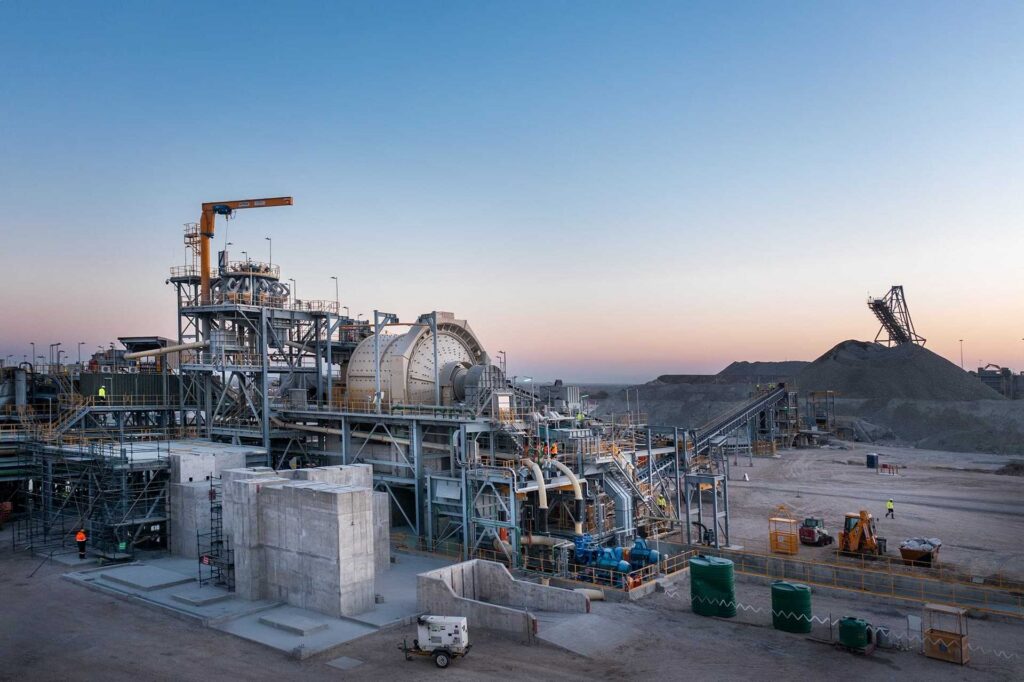
The growth of mining linked to the energy transition will increase the sector’s energy consumption in Latin America. This is while Chile positions itself as one of the main focal points of regional electricity demand due to its leadership in copper and lithium. The global energy transition marked by the advance of electromobility, renewable energies, and storage systems will drive sustained expansion of mining activity in Chile. Copper and lithium mining in Chile will lead to substantial increases in energy consumption. This includes supplying power for copper extraction, concentration, smelting, and refining. This will in turn lead to the need for upgraded and modern power and energy generation and supply. Copper and lithium minerals are crucial for electric vehicles, BESS, consumer electronics, and grid-scale battery projects. Rising battery demand is expected to drive major investments in lithium extraction and processing facilities. The operations use guy clamps to secure the infrastructure.
High-quality guy clamps ensure structural stability in both mining and power infrastructure. They secure the high-voltage transmission lines that carry power across long distances to operate heavy machinery like crushers, pumps, and concentrators. The clamps anchor temporary power lines and guy wires to prevent structural collapses and power line breaks that could cause electrocution. High-quality clamps grip the guy wire to prevent it from slipping. They maintain proper tension to ensure power lines do not sag that could cause power outages. Guy clamps stabilize infrastructure in Chile’s growing wind and solar sectors. The clamps are hot-dip galvanized to resist corrosion from salty air and environmental stress. They ensure the resilience of wind farms, transmission lines, and other infrastructure during dynamic loads.
Quality assurance for guy clamps used in mining and power infrastructure in Chile
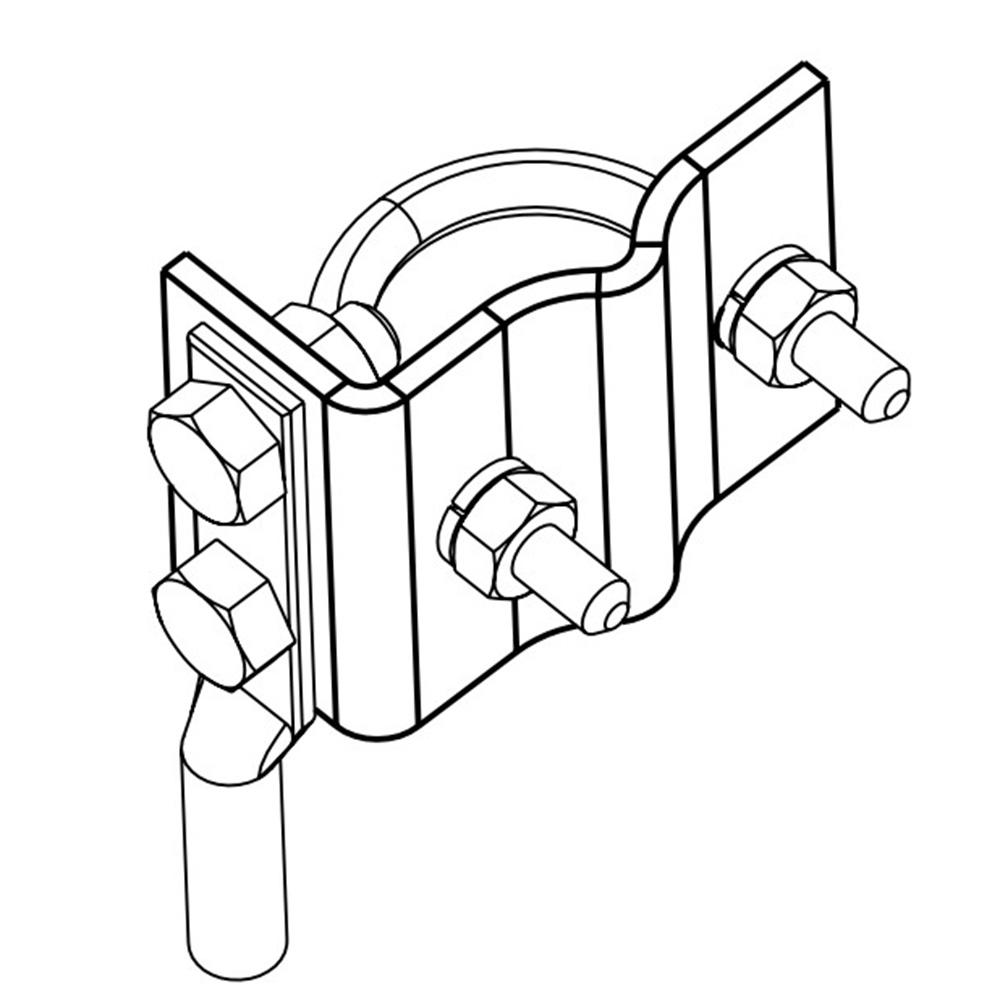
Guy clamps secure guy wires that stabilize utility poles, transmission towers, mining communication structures, substations, and support systems. Ensuring the quality and reliability of guy clamps is crucial for operational safety and network stability. Quality assurance ensures that guy clamps can withstand the demanding environmental and mechanical conditions in Chile. QA prevents clamp failures that could result in structural instability, equipment damage, service interruptions, and safety hazards. The QA process includes materials quality verification, dimensional inspection, mechanical strength testing, corrosion resistance testing, and bolt and fastener quality control. These measures ensure that the clamps can withstand demanding environmental conditions while providing structural stability. High-quality guy clamps contribute to safe operation of transmission lines, stable utility pole structures, reliable mining communication networks, and improved infrastructure lifespan.
Functions of guy clamps in mining and power infrastructure
Guy clamps secure guy wires to utility poles, transmission structures, communication towers, and mining support installations. Guy clamps maintain structural stability, safety, and operational reliability for large-scale mining operations and extensive power networks. Here are their key roles in the infrastructure.
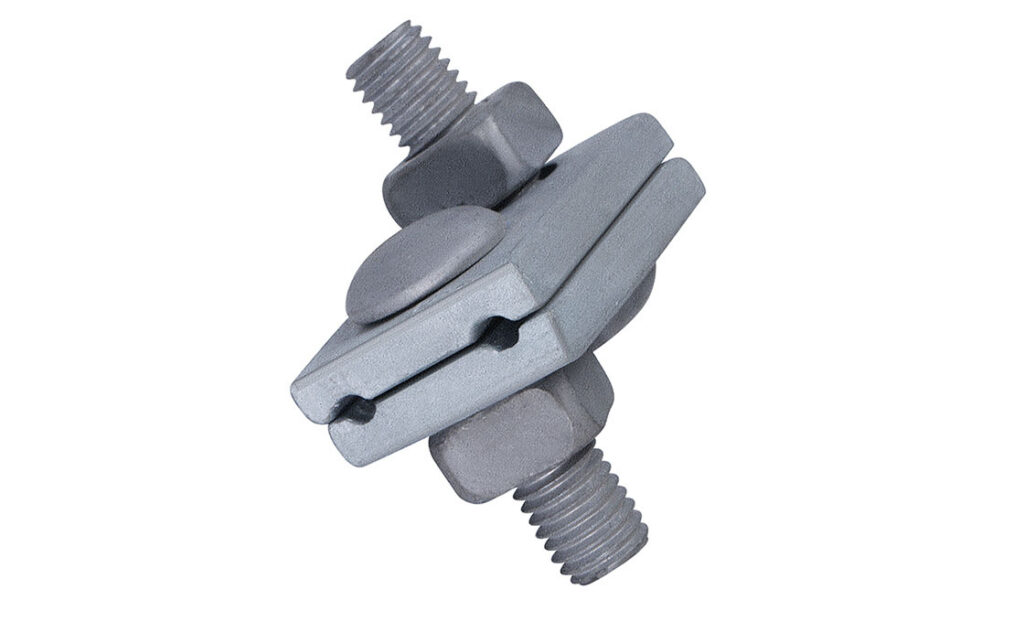
- Supporting power and distribution poles—guy clamps secure guy wires that provide support to utility poles and transmission structures. They help stabilize poles under conductor tension and prevent leaning and structural displacement.
- Maintaining stability in high-wind areas—the clamps hold guy wires in place, transfer lateral loads, prevent excessive movement of structures, and reduce the risk of pole collapse.
- Supporting mining communication networks—modern mining operations depend on communication systems for operational coordination, worker safety, equipment monitoring, and automation systems.
- Securing substation structures – guy clamps help maintain equipment positioning, support auxiliary structures, and improve structural reliability. Stable substations are ideal for transmitting electricity from renewable energy plants and conventional power sources to mining operations.
Influence of copper and lithium mining on Chile’s energy sector
Copper and lithium mining influences electricity demand, renewable energy development, transmission infrastructure expansion, and energy investment strategies. As leaders in copper and lithium production, Chile is at the center of the global clean energy supply chain. Increased copper and lithium mining leads to the following:
- Increasing electricity demand—mining operations need large amounts of energy for ore extraction, grinding and mineral processing, water pumping systems, and smelting. This leads to higher electricity demand across northern Chile.
- Driving renewable energy development – mining companies are pursuing sustainability goals and reducing their carbon footprints. This is by sourcing electricity from renewable energy projects such as solar power plants, wind farms, and energy storage facilities.
- Transmission infrastructure expansion – copper and lithium projects influence the construction of high-voltage transmission lines, substations, grid interconnection systems, and renewable energy transmission lines.
- Supporting grid modernization – the demand for reliable and high-quality electricity supplies encourages utilities and grid operators to invest in smart grid technologies and advanced monitoring systems. Modern power networks ensure uninterrupted operations for mining facilities.