
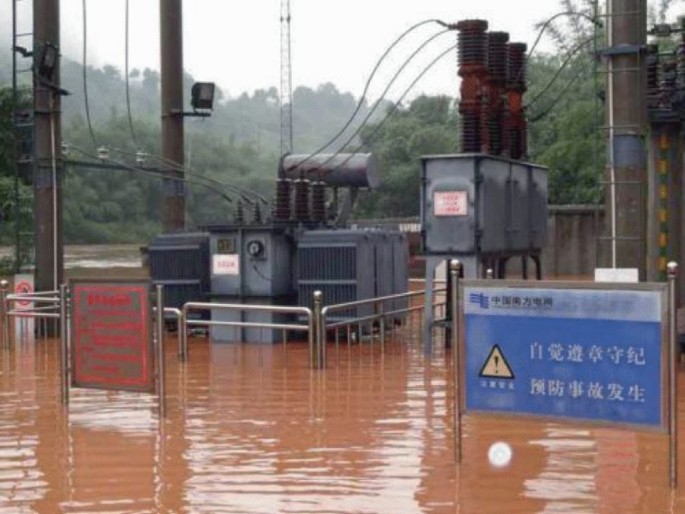
Torrential rains in Peru triggered severe flooding after major riverbanks burst their banks. Flooding as a result causes threats to electrical infrastructure such as substations and power distribution systems. Heavy rains, landslides, and river overflows can disrupt electricity supply across large regions. Rising water levels can affect electrical substations that house transformers, switchgear, busbars, protection relays, and control systems. This results in short circuits and insulation failure, transformer damage, and control system failure. During such floods, utilities often shut down electricity to avoid electrocution hazards and equipment failure. To address such conditions, utilities and energy planners adopt resilience measures that protect substations, transmission networks, and distribution systems. These measures include infrastructure upgrades, engineering design, and operational strategies to maintain grid reliability. These measures use components such as line surge arresters.
Line surge arresters protect electrical equipment from high-voltage surges. The arresters provide a low-resistance path to ground and divert the excess surge current. It helps prevent damage in equipment like transformers, circuit breakers, and insulators. The surge arrester improve the availability and security of electricity supply to reduce power outages. Floodwaters could compromise the integrity of the grounding system through erosion or corrosion. Modern line surge arresters have polymer housings and sealed designs that increase reliability for safety. Some of the arresters have a disconnecting device that automatically disconnects from the circuit. This feature helps prevent permanent faults on the power line that could cause power outages.
Quality assurance for line surge arresters used in electrical infrastructure
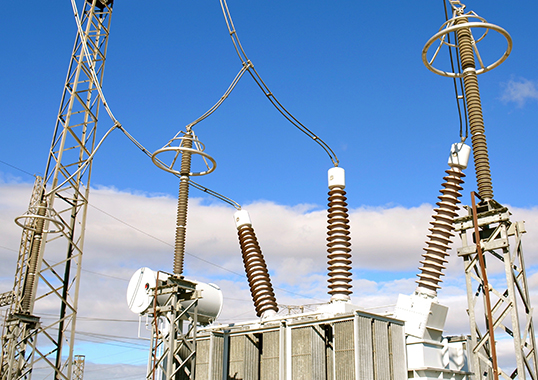
Ensuring quality assurance for line surge arresters helps maintain grid reliability and protect equipment from lightning and switching surges. Peru’s transmission and distribution networks operate across diverse environments like coastal humidity and high-altitude Andean regions. Quality assurance for the arresters is crucial to protect electrical equipment from damage during flooding. They therefore must undergo manufacturing and testing processes to ensure consistent performance. The arresters must adhere to compliance to ensure they safely dissipate transient overvoltages without failure and maintain insulation integrity. During manufacture, the arrester undergoes material verification, electrical performance tests, and mechanical and environmental tests. After installation, it is crucial to check the dimensional inspection of assembled arresters, electrical continuity verification, and visual inspection for defects. Quality-assured surge arresters help protect substations, transmission lines, and distribution networks from transient overvoltages.
Key roles of line surge arresters in electrical equipment during flooding
Flooding from torrential rains in Peru exposes electrical infrastructure to electrical and mechanical risks. The water infiltrates substations, transmission corridors, or distribution networks. The result increases the possibility of insulation breakdown, transient overvoltages, and short circuits. Line surge arresters control the surge energy and prevent damaging voltage spikes from reaching sensitive equipment. Here are the roles of line surge arresters in electrical equipment.
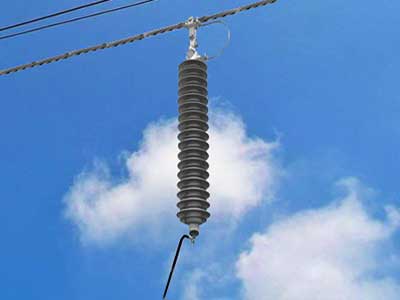
- Limiting transient overvoltages caused by wet insulation—wet insulation can trigger voltage spikes across conductors. Line surge arresters clamp excessive voltage levels, prevent surge propagation, and provide a controlled discharge route to ground.
- Diverting lightning and switching surges to ground—during a surge event, the arrester conducts excess energy and channels the current into the grounding system. This prevents high-energy surges from damaging transformers, switchgear, and other equipment.
- Preventing flashovers on flood-affected insulators—line surge arresters prevent moisture accumulation on insulator surfaces. They do so by reducing the peak voltage stress applied to insulators and stabilizing the electrical field around the conductor.
- Protecting transformers and substation equipment—line surge arresters block surge energy, limit voltage spikes, and reduce the risk of internal electrical faults.
Flooding damages on transmission and distribution networks in Peru
Flooding and intense rains in Peru cause damage to transmission and distribution networks. The electrical infrastructure in Peru is mostly in coastal plains, river valleys, and mountainous terrain. Water infiltration, soil instability, and debris flows create technical failures within the grid. This leads to damages such as:
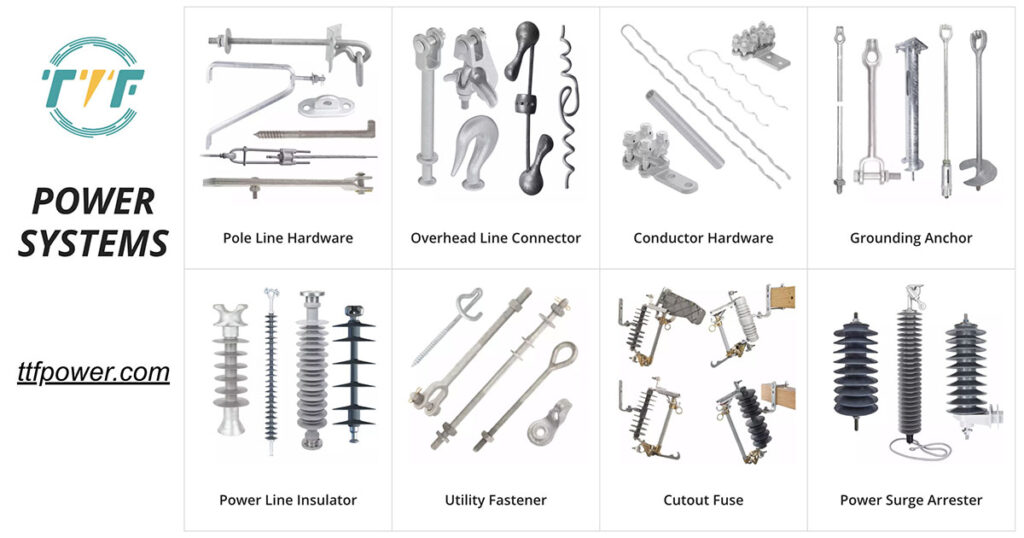
- Collapse of transmission and distribution poles—pole failure leads to broken conductors and outages across distribution feeders. Pole failure is mainly from soil erosion around the pole base, landslides, and floodwater undermining concrete foundations.
- Damage to conductors and hardware—this comes from conductor breakage, damage to connectors, clamps, and suspension hardware, and short circuits.
- Insulator flashovers and contamination—flooding increases humidity and deposit contaminants on insulator surfaces. This leads to surface tracking and electrical leakage, flashovers, and faults on transmission lines.
- Substation flooding and equipment failure—flooded substations need emergency shutdowns to prevent equipment damage.