
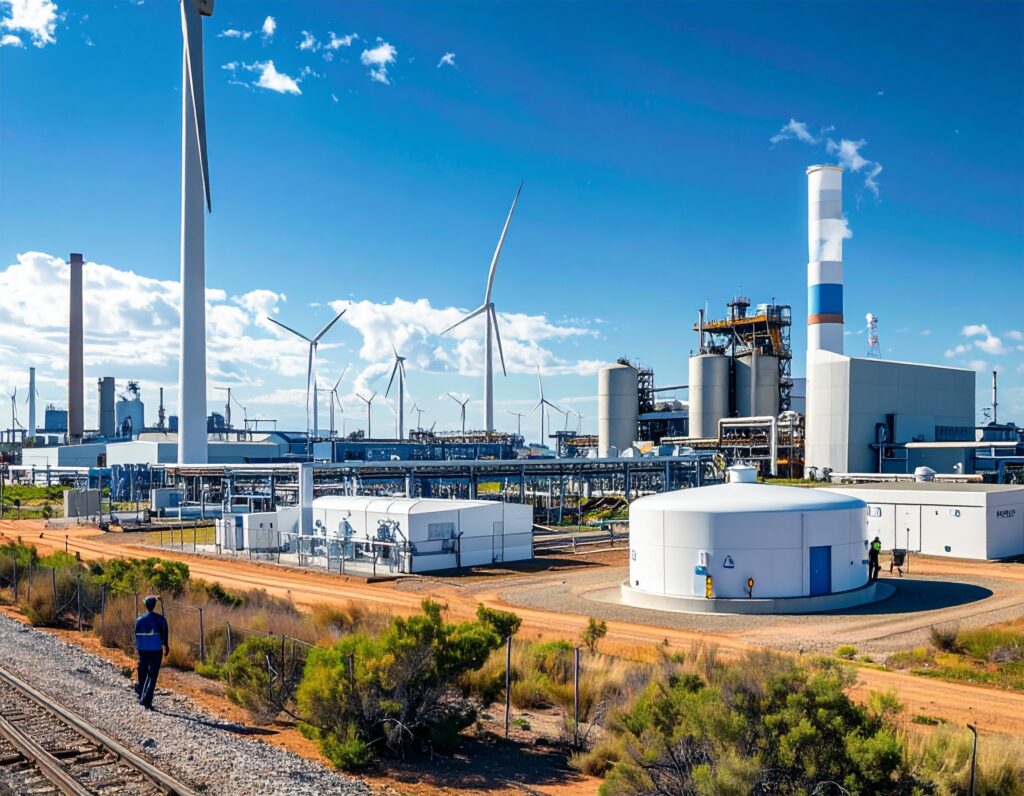
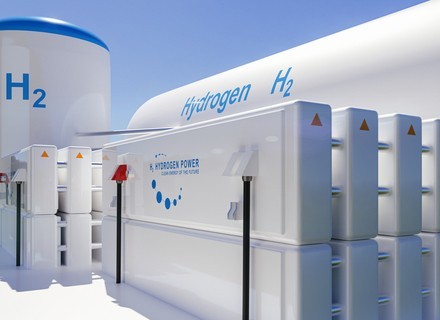
Chile is redirecting its focus from the earlier goal of 25 GW electrolysis capacity by 2030 to an aim of approximately 900,000 tonnes annually by 2035. This change expands the emphasis from solely production capacity to goals related to consumption and exports. The shift indicates a reduced global market adoption, increased capital and operational expenses for electrolysis, and cautious investor sentiment about significant uncontracted supply. The development of green hydrogen will result in the expansion of infrastructure and technologies, while also integrating with renewable energy sources and markets. This transition requires design, sourcing, and modular implementation of electrolyzer capability. It also requires modular electrolysis units that can be deployed and expanded according to grid conditions. The combination of renewables and grid infrastructure requires intelligent integration layers to connect variable renewable generation with electrolyzers. These links need durable equipment such as aluminum wedge deadends
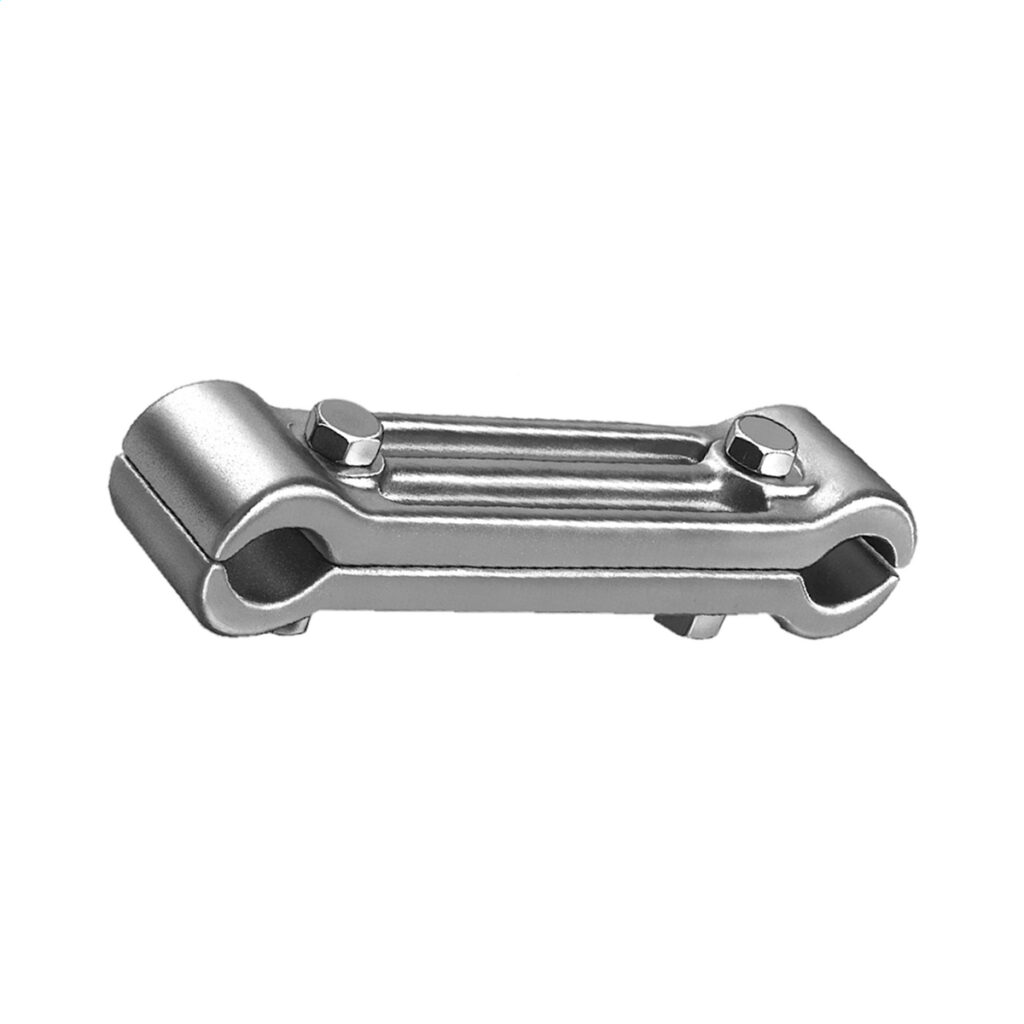
The dead-end wedge enables the safe and reliable operation of the high-voltage transmission lines feeding electrolyzer facilities. Aluminum wedge deadends terminate overhead aluminum conductors to support structures. They provide a strong mechanical hold and a reliable electrical connection at the end of a line. The deadend secures the incoming line to the substation’s portal or strain structure. It is a crucial component for power lines connecting a substation that steps down voltage and feeds the electrolyzers. The dead ends allow for the safe isolation of sections of the transmission line for maintenance. Aluminum wedge dead ends ensure electrical continuity with the conductor to reduce power losses. They help dampen aeolian vibrations that can lead to conductor fatigue and failure over time.
Technical specifications for aluminum wedge deadends in green hydrogen infrastructure
Aluminum wedge deadends terminate conductors in high-voltage electrical distribution systems. They ensure secure electrical performance for electrolyzers, rectifiers, and high-voltage grid tie-ins. The deadends anchor conductors, absorb tensile loads, and provide a reliable electrical and mechanical transition from line to structure. The dead ends must match electrical infrastructure loads such as rated breaking load, design safety factor, and operating temperature range. Aluminum wedge dead-end specification enhances reliability, corrosion resistance, and mechanical performance in Chile. Their robust nature supports power delivery to electrolyzer plants, renewables grid connection, and interconnection for export infrastructure. Using the aluminum wedge dead ends ensures structural integrity and operational safety within hydrogen facilities and integration points.
Functions of aluminum wedge deadends in green hydrogen infrastructure in Chile
Chile’s green hydrogen sector depends on electrical and structural systems to deliver renewable energy to electrolyzers and compress hydrogen for transport. Aluminum wedge deadends offer electrical and structural benefits in overhead power systems supporting the operations. Key functions of aluminum wedge deadends include:
- Mechanical termination and anchoring—aluminum wedge deadends act as termination points for overhead conductors. They anchor the conductor to poles, towers, or other support structures at the end of spans. They prevent the conductor from slipping out from under tension and ensure structural stability.
- Tension management and load transfer—the deadends translate the tensile forces of a conductor into the support structure without damage. The wedge design creates a self-tightening grip that maintains tension across varying loads.
- Maintaining alignment and sag—wedge deadends help control conductor sagging and alignment over long spans. Proper tension and alignment contribute to clearance standards and safety.
- Support for electrical continuity—wedge dead ends maintain electrical continuity with minimal added resistance. The offer secures stable conductor terminations that help ensure consistent energy delivery from renewable generation to electrolyzers.
Integration of green hydrogen with renewable energy in Chile
Chile’s strategy for green hydrogen is based on the direct integration of extensive renewable energy sources with electrolysis systems. Chile possesses ample solar and wind resources along with grid capabilities and extensive export distances. It serves as a strategic pathway for transforming renewable electricity into an energy carrier. The implementation of direct coupling between renewables and electrolyzers reduces reliance on overloaded transmission systems. It allows for cheaper electricity for electrolysis and enhances project feasibility. The creation of hybrid renewable systems aids in managing the inconsistency of renewable sources. Hydrogen captures surplus renewable energy during high production periods and maintains stable usage rates over time. Integrating green hydrogen offers an alternative route for excess renewable energy. This enhances the use rates of renewables. The advancement completes the cycle among renewable energy generation, hydrogen creation, and its usage. It establishes localized energy systems instead of solely export-driven supply chains