
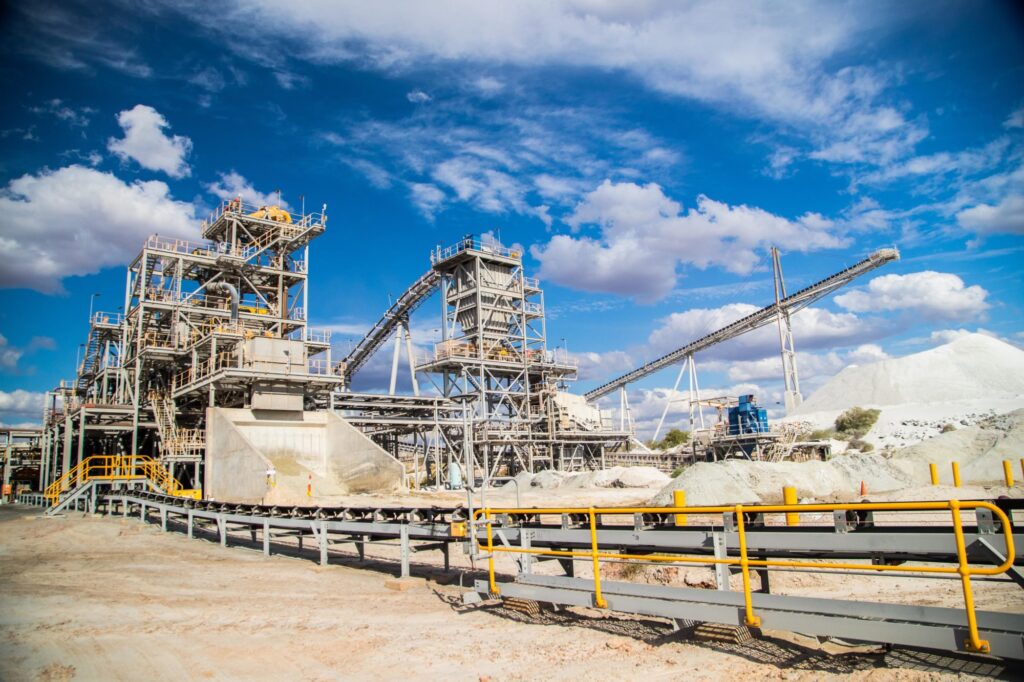
Chilean Nuclear Energy Commission (CChEN) authorized a joint venture between state-owned miner Enami and Rio Tinto to extract 1.2mn metric tonnes of lithium metal from its project by 2060. This represents the largest lithium mining extraction permit ever granted outside of the Atacama region, according to Enami. The project is estimated at $3.2 million capex with a target production of 75.000 t LME per annum. Chile’ approval of Solares Altoandinos shows a shift towards greater domestic control, diversification of salt-flat sites, and expansion of capacity. Increased lithium production is crucial for the electric vehicles, batteries, and renewable growth in the country. The production infrastructure depends on robust infrastructure such aluminum cable spacers. The cable spacers provide safety, reliability, and efficiency of the power supply to lithium mines.
Cable spacers are functional in the electrical substation that power the entire lithium operation. Aluminum cable spacers hold the individual sub-conductors at fixed, safe, distance from each other. This prevents them from clashing due to wind-induced oscillations to ensure mechanical stability. The high-voltage electricity from the Chilean grid or power lines is managed within the plant’s substation. The spacers ensure the electrical parameters of the line remain consistent and optimal. This procedure prevents inefficient power transfer, voltage irregularities, and corona discharge.
The Atacama Desert has extreme conditions which impacts the performance and design requirements of cable spacers. Power outages due to environmental conditions can halt the entire brine pumping and processing operation. Such events may lead to production losses in the region. Aluminum cable spacers prevent the primary cause of faults. They help achieve a high level of power supply reliability. The spacers are a low-cost insurance policy against unplanned downtime. High-quality spacers have elastomeric dampers that are resistant to UV and ozone degradation.
What this joint venture means for Chile’s energy sector
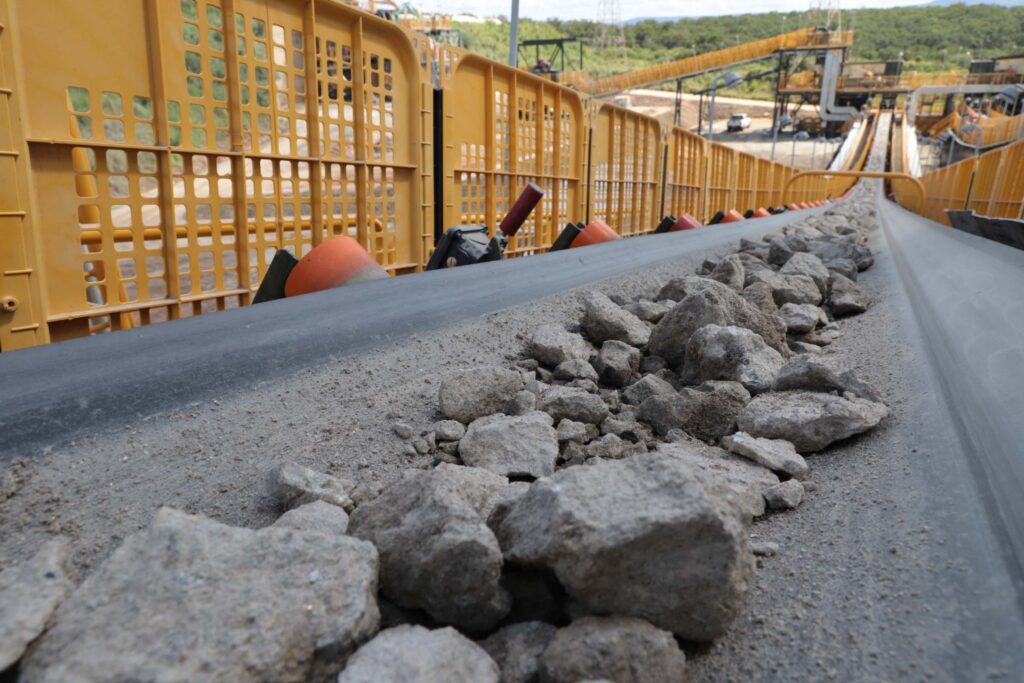
Lithium production is crucial for EVs and grid storage batteries and the expansion will position Chile as a raw material supplier. The partnership provides access to advanced technology including direct lithium extraction and capital. This may enable Chile to move from mining raw materials to being part of the battery ecosystem. The joint venture also aligns with Chile’s effort to retain more value scientifically and economically within the country. Chile’s ability to deploy battery-based storage improves as lithium becomes available domestically. It can also reduce import dependence for battery manufacturing and enhance local energy-industry resilience. This makes it a crucial component as Chile increases its renewable energy capacity. The joint venture also supports more responsible mining practices which helps align resources extraction with sustainability goals of renewable sectors.
Aluminum cable spacers in Chile’s lithium extraction infrastructure
Cable spacers are small but critical hardware components in the heavy lifting infrastructure for lithium projects. The aluminum cable spacers keep high-power lines stable, safe, and efficient. Their reliability protects production, equipment, and community power security. Here are the functions of the cable spacers in the infrastructure used.
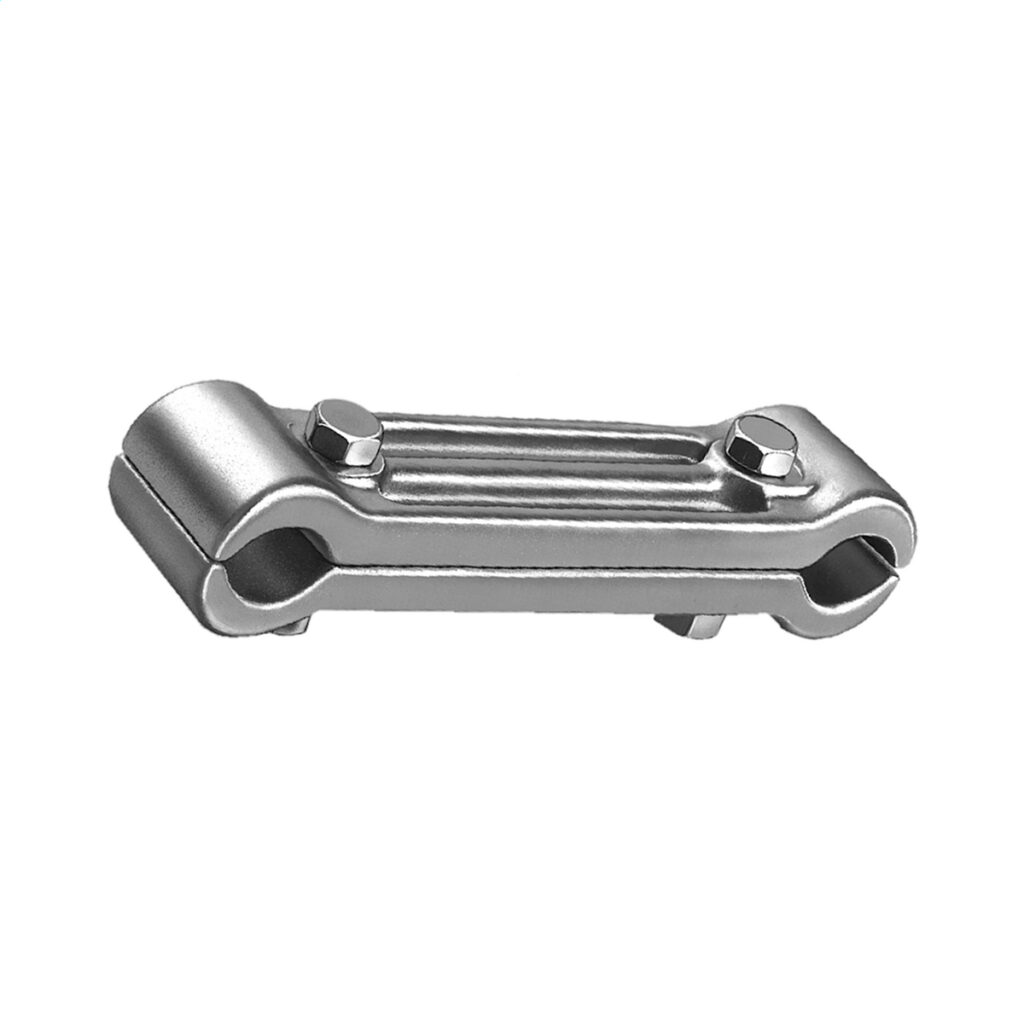
- Prevent arcing and faults – the cable spacers maintain fixed spacing in bundled conductors. They hold subconductors at a constant seperation so the bundle behaves electrically like a single conductor.
- Mechanical protection – the cable spacers prevent conductor-to-conductor damage from wind and motion. They help extend conductor life in exposed Atacama corridors and long transmission spans to remote areas.
- Reduce fatigue – most spacers are built as spacer-dampers to absorb aero-dynamic energy. They prevent fatigue faulures on long lines to the mine sites.
- Lower impendance and better regulation – aluminum cable spacers improve electrical performance of compact systems. They are useful for long distribution runs.
The significance of lithium production in Chile
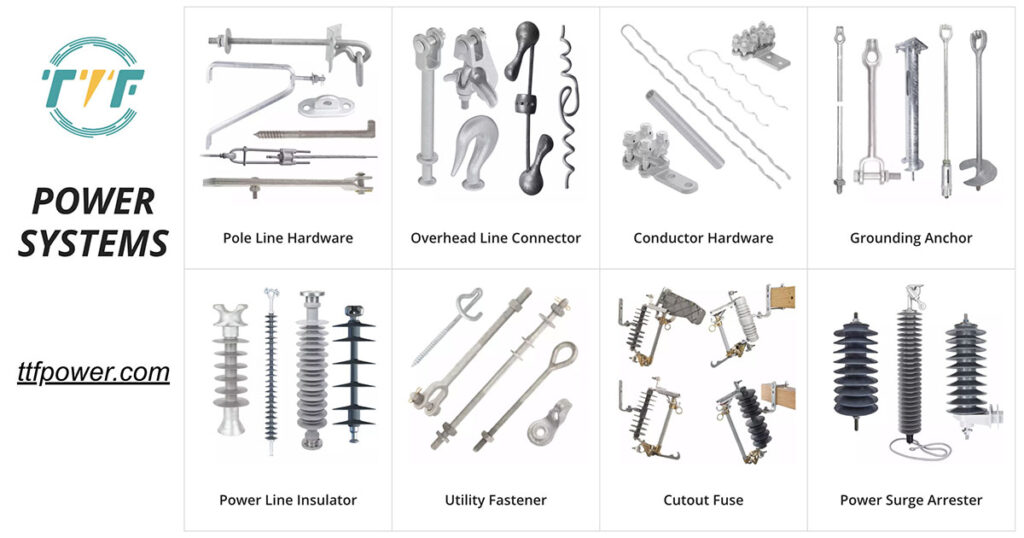
Lithium production is crucial in shaping Chile’s modern energy sector. It positions Chile as a global leader int he transition toward clean and sustainable power systems. Lithium concentrations in the Salar de Atacama makes the country a key supplier of lithium carbonate and lithium hydroxide. This is crucial for battery production for electric vehicles, renewable energy storage, and smart grids. Lithium batteries help stabilize voltage, store excess solar or wind energy and release it when demand is high. Increased lithium production drives Chile’s economic diversification. This creates a circular economic model where resource wealth fuels clean energy development. Lithium is also an enable of a more advanced and resilient Chilean energy system.