
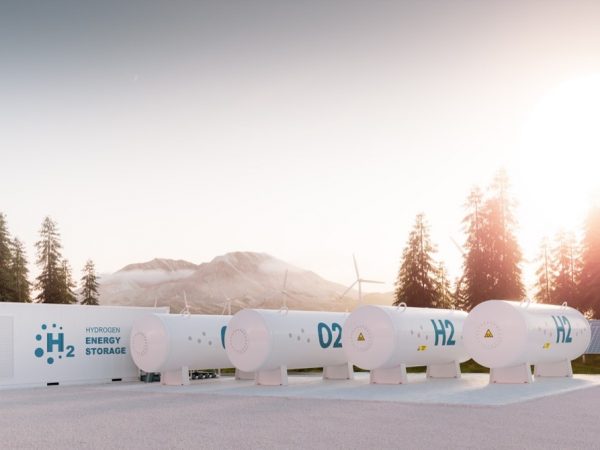
Colbún, Chile’s energy company, has started operations at a solar-powered green hydrogen facility in the Nehuenco thermoelectric complex. This move replaces fossil-based hydrogen used in generator cooling. The $1.6 million project operates independently from the national grid and uses PV power to produce hydrogen for the cooling system of its generators. The project includes a 100 kW solar array, battery storage, an electrolyzer, and hydrogen storage tanks. This forms a part of the modernization plans to improve efficiency, cut water use, and align operations with Chile’s broader energy transition. The use of insulation piercing connectors in the supporting infrastructure ensures safe and reliable electrical connections. They help in linking the solar farm, battery storage, and the hydrogen electrolyzer.
The IPC ensures that high currents from the solar and battery systems can be tapped and routed without shutting down the entire system. The insulation piercing connectors installs on an energized, insulated cable without the need to shut down the power. It has sharp, conductive teeth that pierce through the cable’s insulation to make contact with the conductor inside. It is then clamped and shut to create a secure, weatherproof, and electrically sound connection. In solar farms, there are expansions for more battery units’ addition. The IPC allows for new connections to the existing grid without disrupting the ongoing operation of the entire plant.
A solar farm and battery storage systems are not single points, since there are distributed networks. Insulation piercing connectors tap into the main string box output cables to add monitoring equipment. They also connect to communication lines or branch off to feed a specific section of the electrolyzer plant. IPCs connect many battery racks in parallel to the main DC or AC busbars to allow for flexible and scalable installation. They are essential components in the harsh environmental conditions of Chile, facing intense UV radiation, extreme temperature swings, and salt corrosion.
Decarbonization for Thermal Assets in Chile
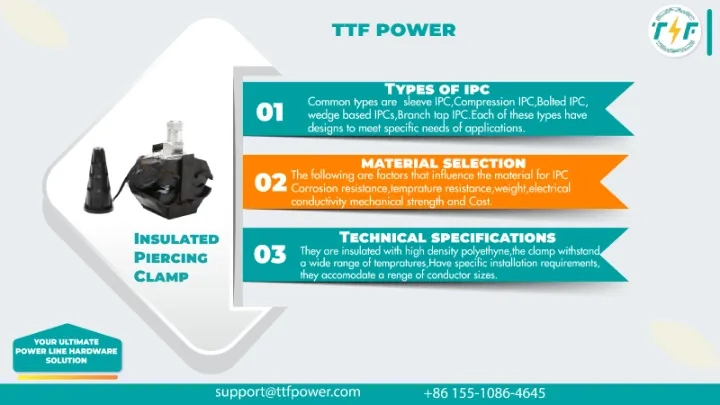
The development of this project is a milestone for Chile’s energy transition. It is a small-scale project that signals a major shift in mindset. The development lowers doubt, invites confidence, and makes it easier for other operators to follow. Chile is showing that it is possible to upgrade and clean up fossil plants instead of retiring them. Additionally, the use of off-grid solar to power hydrogen generation shows energy autonomy. It also reduces pressure on the grid with increased production of clean energy. Chile aims to export green hydrogen, which proves domestic use can strengthen credibility abroad, support technology learning curves, and build local capability before international demand surges. Power line components such as insulation piercing connectors ease the construction of new infrastructure supporting this move.
Insulation-piercing connectors in green hydrogen development
IPCs play a crucial role in making Chile’s emerging green hydrogen infrastructure reliable, efficient, and scalable. They help link and protect the electrical systems that power the hydrogen economy. This electrical infrastructure can help Chile’s green hydrogen sector expand and operate reliably in tough climates. Here are the functions of insulation piercing connectors in green hydrogen development in Chile.
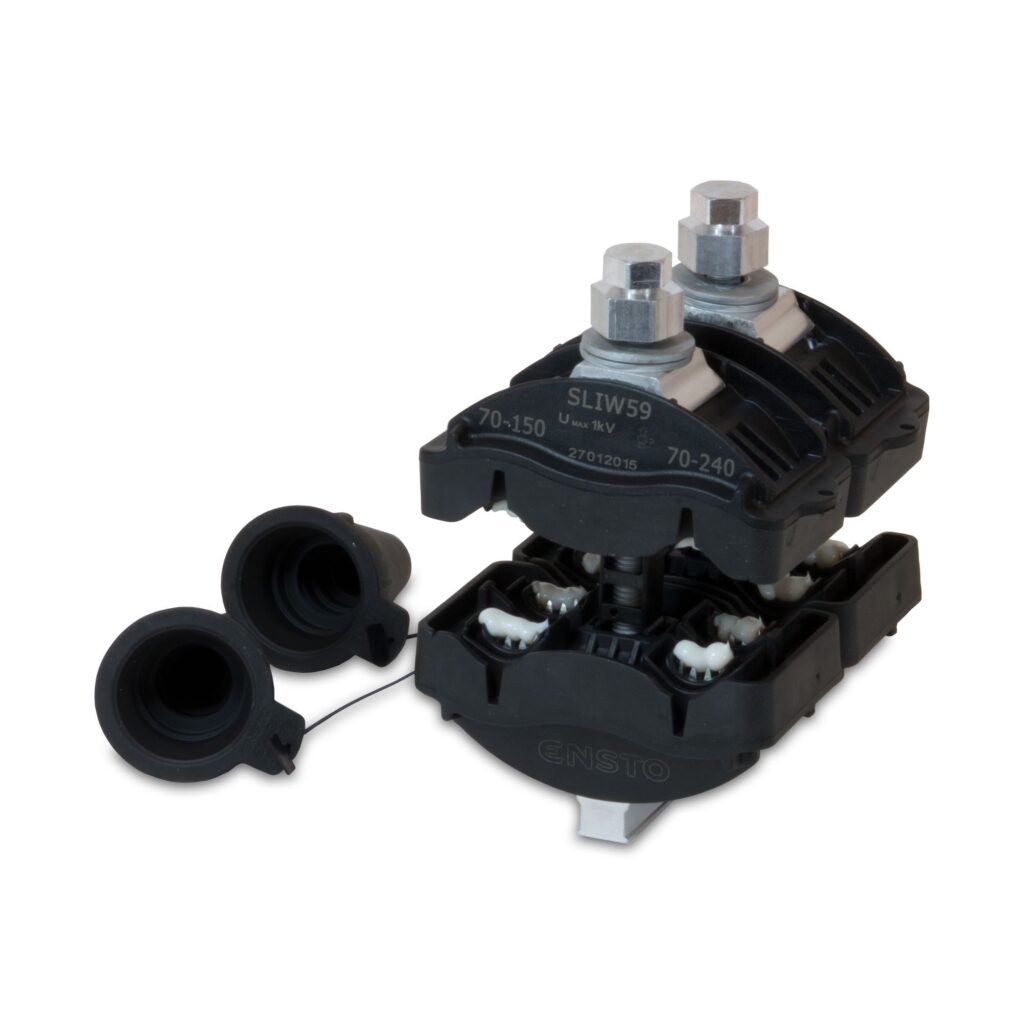
- Secure electrical connections for renewables—green hydrogen facilities depend on solar and wind energy. Insulation-piercing connectors allow quick tapping into energized cables without stripping the insulation.
- Strengthening distribution networks near hydrogen hubs—insulation piercing connectors help extend and reinforce distribution networks safely and efficiently. This enables reliable power delivery to hydrogen production units and related facilities.
- Improving maintenance efficiency—the connectors make it easier to expand or change electrical lines serving electrolyzers, compressors, and storage systems.
- Supporting safety in high-demand electrical environments—green hydrogen plants operate with high electrical loads. IPCs maintain insulation integrity while ensuring solid mechanical and electrical contact.
Technological innovations adopted into green hydrogen development
Colbún’s innovation in Chile shows a shift in how existing power infrastructure can evolve. It includes integrating renewables, storage, electrolyzer systems, and modernization of thermal assets together. Key technological innovations used include off-grid solar, battery, and electrolyzer systems; integration into a thermal generation asset; scale-lite innovation leading to future scale-up; localizing technology and strategic value; and decarbonization infrastructure upgrades. These technologies address water usage issues, create groundwork for export-scale hydrogen, and provide flexibility in generation that supports renewable intermittency. It also leads to the increased use of power line hardware components such as insulation piercing connectors to secure the infrastructure.