
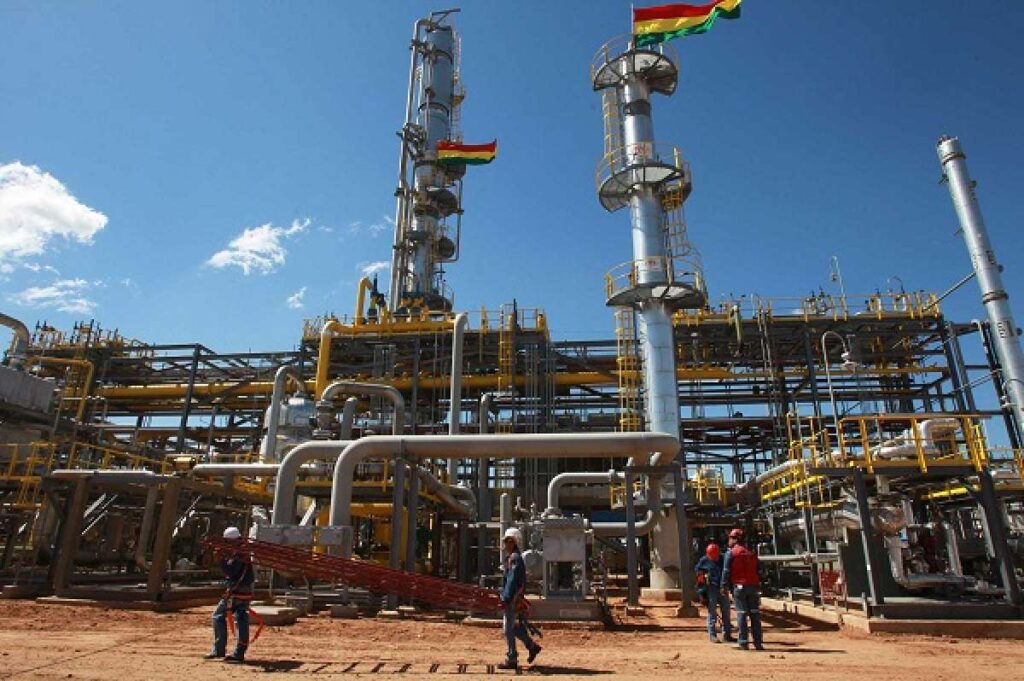
Recently, Bolivia has been battling with a fuel shortage, with insufficient funding to import fuel. Bolivia’s production of liquid hydrocarbons and natural gas has also declined due to the depletion of mature fields. Fuel shortages disrupt agriculture, transportation, and food security; strain government finances; and lead to political and social unrest in the country. The fuel shortages mainly arise from the depletion of natural gas reserves, lack of investment, price controls, and insufficient refining capacity. This has a triple effect across the society and the economy. To address this, the government has put in place various efforts and measures to secure deals, crack down on smuggling, and attract new investment for exploration in the country. The measures also include the use of key infrastructure projects to mitigate the immediate deficits and manage the distribution of fuels. Socket thimbles help distribute the mechanical load across the cable.
A hot line link oval eye is a component inserted into a wire rope loop to protect the cable from wear, abrasion, and fatigue at the connection point. It prevents sharp bends that can cause kinking and premature cable failure. Socket thimbles at connection points provide a durable and standardized connection point for attaching the cable to other hardware, like insulators, cross-arms, or poles, using clevis pins. The thimbles play a crucial role in enabling the strategy to overcome Bolivia’s energy crisis. For instance, key technologies and infrastructure used include enabling expansion and reinforcement of the electrical grid. New renewable energy plants are often in remote, resource-rich areas. This needs reinforcement of the existing grid to handle new power inputs and prevent blackouts. The socket thimbles are crucial in the construction of transmission towers in the new projects.
Functions of the socket thimbles in the infrastructure used to address fuel shortages
Infrastructure improvements in Bolivia are part of long-term mitigation, including pipelines, storage, transport roads, and reliable power to fuel production. The use of reliable components like socket thimbles helps ensure the infrastructure projects do not suffer breakdowns that worsen supply disruptions. Reliable power and stable structural infrastructure are crucial in maintaining domestic refining. Here are the functions of socket thimbles in key infrastructure projects addressing fuel shortages in Bolivia.
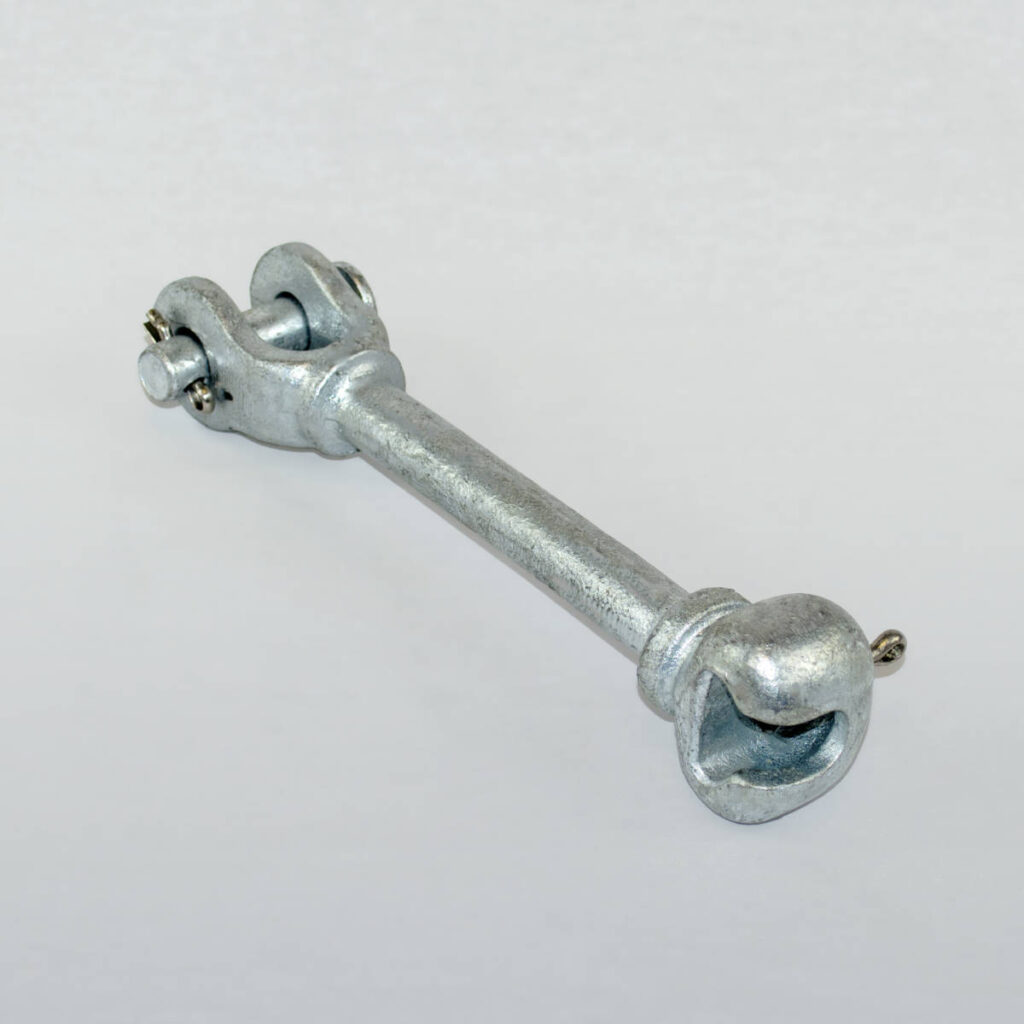
- Fuel transport pipelines—structures may need tensioned cables to stabilize pipes on supports. Socket thimbles protect wire rope eyes used in supports, reduce maintenance, and reduce failure risks for cables under tension.
- Fuel storage tanks—storage tanks have tethered systems for roofs or guying systems for antennas. Use of thimbles ensures that cable terminations do not degrade, preserves safety, and reduces downtime.
- Transportation infrastructure – cable systems serve in remote access where roads are challenging. Socket thimbles increase safety, reduce wear, and extend lifespan. They support the reliability of transport routes and reduce delays in networks.
- Electrical infrastructure—most refineries and pumping stations need reliable power for overhead lines. Socket thimbles in the guy wires help reduce failure of power lines, thus preventing power outages.
Key infrastructure projects addressing Bolivia’s fuel shortages
Improved and modernized infrastructure projects help in tackling or alleviating fuel shortages in Bolivia. They help increase supply, improve transport, and reduce demand for fossil fuels. The key projects and initiatives include:
- Upstream reactivation and hydraulic exploration—YPFB, a state energy company, launched a major drilling campaign. It is part of a broader effort to reverse declining oil and gas production.
- Refinery and renewable diesel production—Bolivia is expanding refining capacity to decrease its dependence on imported refined fuels. The renewable diesel production unit at the YPFB Guillermo Elder Bell refinery aims to produce more domestically derived fuel substitutes.
- Pipeline and gas transport network—there are several projects to expand gas pipelines, loops, or parallel lines to increase flow capacity. These projects include the expansion of the Tarabuco-Sucre gas pipeline to increase transport capacity.
- Cross-border gas export and import—the country is working on infrastructure to export its gas or provide links to neighboring countries. Interconnectivity allows the export of fuel within Peru, Paraguay, Chile, and Bolivia.
- Off-grid electricity and renewable energy to reduce fuel dependence—the project supported by the IDB aims to connect off-grid areas to the national grid. This helps reduce reliance on diesel generators in the country.