

Venezuela’s electrical grid has suffered from chronic reliability issues in recent years due to a combination of factors. These include overdependence on hydroelectric power, aging infrastructure, mismanagement, corruption, and lack of maintenance. The use of solar power can help address several challenges by reducing the reliance on these sources. Solar power can improve Venezuela’s grid reliability by diversifying energy sources, reducing blackout risks, and enabling decentralized generation. Its widespread adoption needs policy support, investment, and private sector involvement to overcome economic and logistical hurdles. Solar panels can be deployed on rooftops, rural homes, and community centers. This reduces dependence on the overburdened national grid and reduces long-distance transmission losses. Integrating solar energy with battery energy storage systems can help reduce national grid failures. Yoke plates connect solar panels to mounting structures to ensure stability and proper alignment.
Venezuela faces extreme weather, including heavy rains, high humidity, and strong winds that can damage poorly secured solar panels. A strong yoke plate prevents panel misalignment or detachment to reduce maintenance needs and ensure consistent energy generation. Some of the yoke plates allow for tilt adjustments to optimize panel angle for greatest sunlight exposure. It improves energy yield, which makes solar farms more reliable in compensating for grid shortages. Modular yoke systems enable quick installation of solar farms, which is crucial for Venezuela’s urgent need to expand generation capacity. High-quality yoke plates reduce the risk of panel failures. They help improve the predictability of solar farm output. The plates help secure panels in microgrids or hybrid systems to reduce reliance on the failing national grid.
Improving Venezuela’s grid reliability using yoke plates
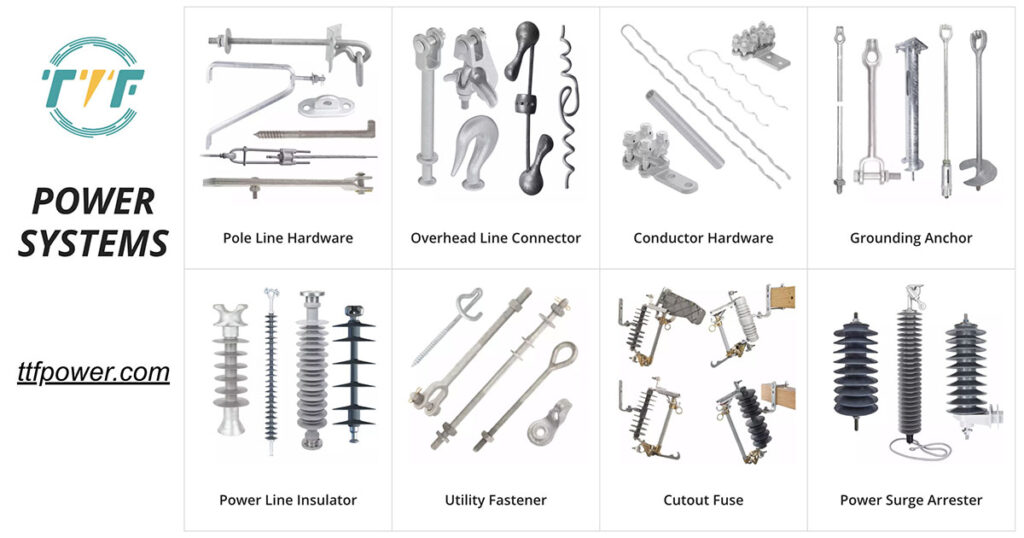
The country struggles with frequent blackouts, aging infrastructure, and overdependence on hydroelectric power. Embracing solar energy helps decentralize power generation and improve system resilience. Yoke plates are steel connectors used in overhead transmission and distribution lines. They are crucial in connecting insulator strings to poles, distributing mechanical loads, maintaining alignment and tension, and enabling secure connections in energized systems. Yoke plates in solar farms ensure structural reliability, support clean energy transmission, and reduce the risk of blackouts. Here are the roles of yoke plates in solar power infrastructure in Venezuela.

- Strengthening solar farm transmission links—power generated from solar farms is sent to the national grid or local microgrids. Yoke plates function in overhead transmission lines leading from solar inverters, high-tension towers, junctions, and switching stations to maintain mechanical stability.
- Improving resilience against environmental stress—yoke plates are from galvanized or stainless steel. They are able to withstand mechanical stress and ensure long-term reliability in challenging environments. They help reduce maintenance interruptions and enhance energy continuity.
- Supporting off-grid and microgrid deployments—yoke plates enable compact and safe pole-mounted connections. They enable durable anchoring of transmission hardware and integration of distributed energy resources without complex infrastructure.
- Stability of the grid—using high-quality yoke plates in solar farm development can reduce line failures, lower mechanical stress, and improve voltage stability. They also ensure safe load sharing during peak usage.
Solar farms powering grid reliability in Venezuela
The grid suffers from frequent and prolonged blackouts, overdependence on hydropower, poor maintenance of transmission infrastructure, fuel shortages, and limited diversification of energy sources. These challenges leave citizens without stable electricity, which affects healthcare, education, industry, and economic recovery. Solar farms provide a clean, decentralized, and resilient alternative to the overburdened power grid in Venezuela. The following are the roles of solar farms in improving grid reliability.
- Diversifying energy sources—solar farms introduce an independent and complementary energy source. This helps make the grid less vulnerable to single-point failures.
- Reducing load on centralized infrastructure—solar farms near demand centers help relieve pressure on long-distance transmission lines. This reduces power losses and prevents cascading failures leading to nationwide blackouts.
- Supporting microgrids and decentralized energy access—solar farms enable autonomous microgrids. The systems can operate independently or connect to the main grid when available to improve reliability. This is crucial for agricultural operations, small businesses, schools, and water supply systems.
- Stabilizing voltage and frequency fluctuations—modern solar farms have smart inverters and energy management systems. The systems ensure that smooth voltage irregularities help regulate frequency and respond rapidly to fluctuations in demand.
- Integrating with energy storage systems—solar farms integrated with battery storage provide power even during cloudy days and at night. This ensures an uninterrupted energy supply and reduces blackout exposure to avoid disruptions.