

Venezuela’s oil production has reduced over the past, which helps reduce carbon emissions in the country. The drop in carbon emissions also arises from economic, political, and environmental factors. Venezuela has some of the world’s largest oil reserves, and its extraction, refining, and flaring release carbon and methane emissions. Additionally, the continued use of gasoline and diesel vehicles due to cheap fuel subsidies and deforestation increases greenhouse gas production. The decrease in oil production has significantly reduced the production of carbon emissions. Reduced refining activity cuts carbon and sulfur dioxide emissions. Fewer oil tankers and trucks transporting crude also reduce emissions. The decrease in economic crisis has also shrunk industrial activity that decreases electricity demand. This leads to less need for oil-powered thermoelectric plants. Suspension clamps function in infrastructure used to reduce carbon emissions in Venezuela. The clamps improve the efficiency and reliability of power transmission networks.
High-quality clamps secure overhead transmission and distribution cables to ensure proper tension and alignment. They maintain stable connections to reduce electricity wastage, which leads to fewer fossil fuel needs. Reliable clamps help stabilize transmission lines that carry renewable energy. They reduce the need for backup gas- or oil-powered plants. The clamping systems are also essential if Venezuela expands solar or wind to reduce energy loss. Proper suspension clamps extend the lifespan of power lines to reduce the need for replacements. Modern suspension systems integrate with sensors for real-time grid monitoring to help detect inefficiencies and optimize power flow. A smarter grid leads to less wasted energy and carbon intensity. Additionally, suspension clamps help reduce reliance on fossil-fueled backup power and support future renewable energy expansion.
Suspension clamps reducing carbon emissions in Venezuela
Hardware components like suspension clamps help build efficient, low-emission infrastructure in Venezuela. The clamps play a crucial role in supporting the shift toward a more reliable, resilient, and greener power grid. Suspension clamps are mechanical devices used to secure conductors to utility poles. They allow conductors to hang freely and absorb mechanical stress while maintaining electrical performance. The use of suspension clamps can reduce the reliance on diesel and thermoelectric plants. It helps cut emissions caused by inefficient power delivery and support renewable integration. Its functions include:

- Improving grid reliability—suspension clamps help maintain consistent voltage levels, which reduce energy losses. This is a crucial step in reducing carbon output in the transmission process.
- Enabling long-distance renewable energy transmission—suspension clamps are crucial in overhead lines that carry renewable energy to urban centers. They support higher-voltage, lower-loss transmission lines and ensure clean energy transmission across the country.
- Facilitating grid upgrades—the clamps are crucial in modern transmission line designs that connect BESS and hybrid grids. They help reduce reliance on diesel or gas turbines, leading to lower carbon emissions.
- Supporting emergency repairs—suspension clamps enable faster line repairs and upgrades to ensure minimal reliance on backup fossil fuel generators.
- Reducing wear and tear—poor clamp performance leads to line degradation, arcing, and energy waste. Corrosion-resistant suspension clamps extend the lifespan of transmission components.
Infrastructure used to reduce carbon emissions in Venezuela
Venezuela faces the need to upgrade its energy infrastructure and cut carbon emissions. The transition has faced impacts from economic, political, and technological challenges. Infrastructural developments help reduce reliance on fossil fuels and improve energy efficiency. Here is the infrastructure that could reduce carbon emissions in Venezuela.
- Hydropower dams and upgrades to existing plants—upgrades and maintenance to existing hydroelectric plants aim to increase generation efficiency while reducing the need for fossil fuels.
- Solar and wind energy projects—infrastructure used includes photovoltaic panels, wind turbines, and off-grid microgrids in rural areas. Clean energy sources help reduce diesel generator use.
- Battery energy storage systems—BESS units—integrate with renewable power sources to store excess energy and release it during peak demand. It allows better load balancing, reduces the need for backup thermal plants, and avoids blackouts.
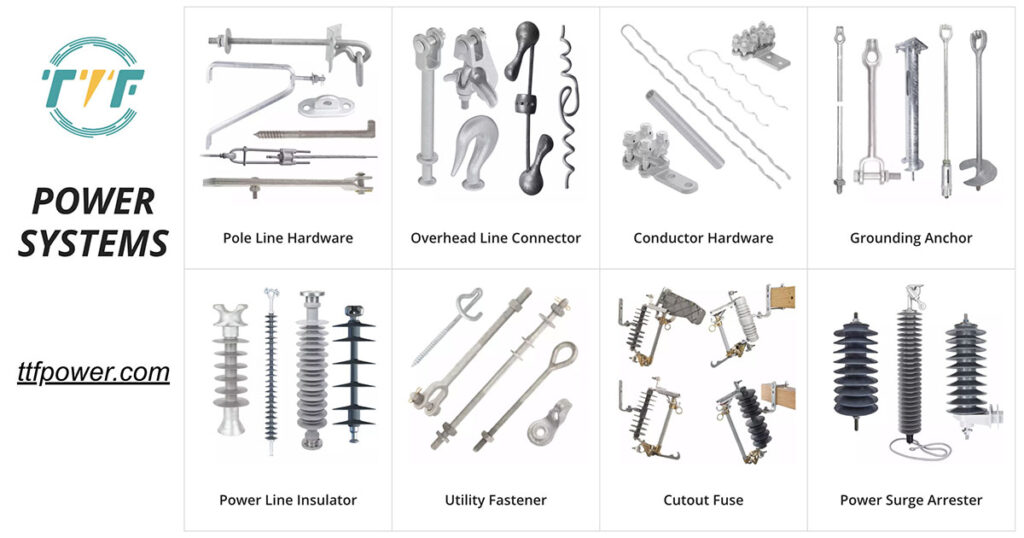
- Smart grid and transmission line modernization—this includes installation of automatic voltage regulators, deployment of remote monitoring devices, and use of line guards, suspension clamps, and insulators to reduce energy losses. These upgrades allow for more efficient power delivery and decrease energy waste and emissions.
- Cross-border energy infrastructure—strengthening transmission infrastructure ensures cleaner energy flows efficiently across borders. This enhances regional energy security and reduces the need for domestic fossil fuel generation.