

Bolivia has recently initiated its inaugural green hydrogen project in Tarija, Oruro, and Santa Cruz. This forms a component of a countrywide plan to broaden its energy sources and engage in the worldwide low-carbon hydrogen sector. This encompasses a 2 MW electrolyzer in Oruro that will use solar-powered electrolysis to generate hydrogen for mixing with natural gas in industrial and residential uses. Hydrogen plays a key role in decarbonization approaches for industry, transportation, and energy. This 2 MW project features electrolyzers in Oruro that use renewable solar electricity to divide water into hydrogen and oxygen. Combining hydrogen with natural gas for home use will aid in lowering carbon intensity in heating and production. This also demonstrates Bolivia’s initial move into hydrogen derived from renewable sources, capitalizing on its significant solar capabilities in the Andean area. Stay rods secure tall structures against natural elements in Bolivia
The development of green hydrogen in Bolivia offers opportunities for decarbonization, energy security, and technology transfer. Guy wire rods ensure operational continuity, prevent structural failure, and mitigate the risk of hydrogen releases. Their design, installation, and maintenance are crucial for the safe and successful deployment of green hydrogen technology in Oruro. Stay rods prevent vessels from swaying or vibrating, which could cause fatigue failure at pipe connections. Large-scale hydrogen storage often involves spherical tanks or large vertical cylindrical tanks. Stay rods designed for seismic loads prevent the tanks from shifting. Shifting could lead to hydrogen release and potential explosion. Stay rods stabilize support structures and reduce movement to reduce the risk of leaks at connection points.
Stay rods in Bolivia’s green hydrogen projects
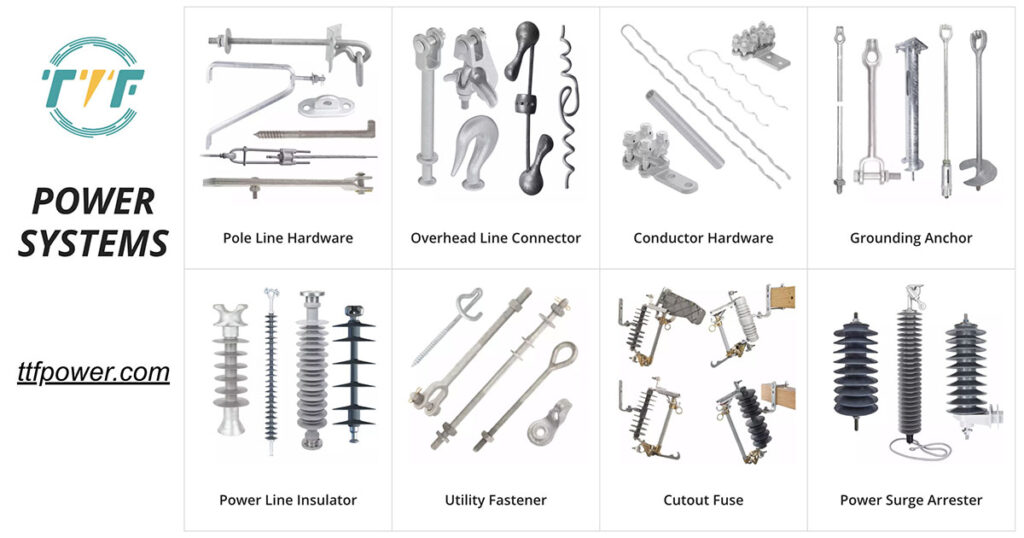
Guy wire rods are tension-bearing elements that keep poles, masts, and towers upright. Stay rods secure overhead distribution lines and temporary construction rigs used during plant build-out. High-quality stay rods reduce outages, speed maintenance, and protect sensitive electrolyzer equipment. Their threaded design enables tensioning and re-tensioning during commissioning and after settlement. It is crucial to select the size rods and anchors for the expected lateral loads with conservative safety factors. Here are the functions of the stay rods in green hydrogen infrastructure.

- Lateral stability for power poles and distribution lines—stay rods keep anchor poles and dead-end poles from tilting under conductor tension and wind. This is crucial for when solar fields and electrolyzers connect to medium- and low-voltage lines.
- Stabilizing meteorological and anemometer masts—stay rods keep slender met-masts stable. This is crucial when collecting accurate wind data for siting wind and electrolyzer combos.
- Supporting communications and SCADA masts—guy rods secure guyed masts for cellular, microwave, or radio links used for plant telemetry and remote control for fixed towers.
- Temporary works and construction bracing—temporary guyed supports use stay rods to hold cranes and signage. Guyed structures are crucial for PV array installation, electrolyzers, and hydrogen storage.
- Protecting equipment—proper use of the rods prevents failure of poles that could damage switchgear or other equipment. They are crucial components, as gusts, ground movement, or conductor faults create sudden loads.
Importance of green hydrogen initiatives in Bolivia’s energy industry
Green hydrogen initiatives in Bolivia signify a local energy transformation and a strategic move into the developing global hydrogen market. Incorporating renewable energy aids in reducing carbon emissions from its national energy system. Its importance relies on Bolivia’s capacity to diversify its energy sources, use solar potential, reduce carbon emissions in crucial sectors, and generate economic opportunities. Its importance encompasses:
- Diversifying the energy mix—green hydrogen presents a novel renewable energy carrier to lessen reliance on fossil fuels. This enhances energy security and positions Bolivia for a low-carbon future.
- The potential of renewable energy—utilizing solar power for hydrogen production transforms Bolivia’s natural resources into a strategic advantage.
- Decarbonizing industrial and residential sectors—the Oruro electrolyzer initiative combines hydrogen with natural gas for industrial uses. This reduces carbon intensity, aiding Bolivia’s climate obligations.
- Assistance for the transformation of the gas sector—incorporating hydrogen into natural gas pipelines enables a gradual reduction of carbon emissions from the current gas infrastructure. This safeguards investments in gas infrastructure for a more sustainable energy future.
- Market integration—the green hydrogen sector is expanding, with increasing demand from Europe and Asia. The initiative enables Bolivia to integrate into global supply networks.
- Economic prospects—green hydrogen initiatives generate employment, promote technology exchange, and develop local skills in electrolyzers and renewable integration.