
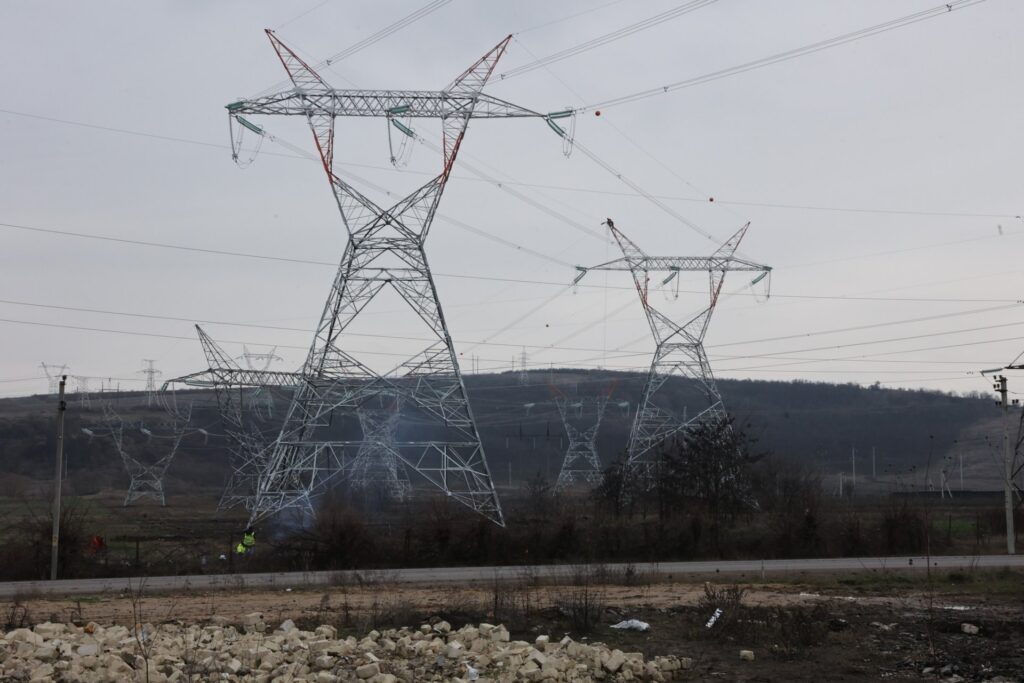
The Brazilian division of Portuguese electric company EDP Energias de Portugal SA intends to divide BRL 450 million for the enhancement and expansion of power transmission lines and substations. EDP’s investment will establish the environment necessary to please the increasing needs of data centers, advanced industries, and the agribusiness sector. This intended investment is also a component of a strategy to establish Goias as EDP’s hub for power transmission. The investment will also focus on enhancing capacity, improving reliability, advancing automation, promoting digitalization, and establishing new grid connections. The funding will enhance substations, update and replace equipment, put in place advanced protection systems, increase automation, and improve connection points. These technologies enhance fault identification, system safeguarding, remote surveillance, and operational adaptability. These links depend on strong hardware like silicone station post insulators. The insulators offer electrical isolation and structural support for live conductors and busbars.
Silicone insulators on the transmission and modernization works in Brazil help utilities improve reliability in automated and compact substations. The insulators provide mechanical support and electrical insulation for key substation devices. They support disconnectors, circuit breakers, reactors, and busbars. These insulators are rated for a wide range of voltages for up to 550 kv AC and 800 kv DC. This makes them ideal for modern high-voltage and ultra-high-voltage systems. Their design allows easy equipment upgrades without the need for structural modifications. Additionally. Silicone insulators are lighter than porcelain for easier handling, transportation, and installation.
Importance of quality assurance for silicone insulators in Brazil’s transmission modernization
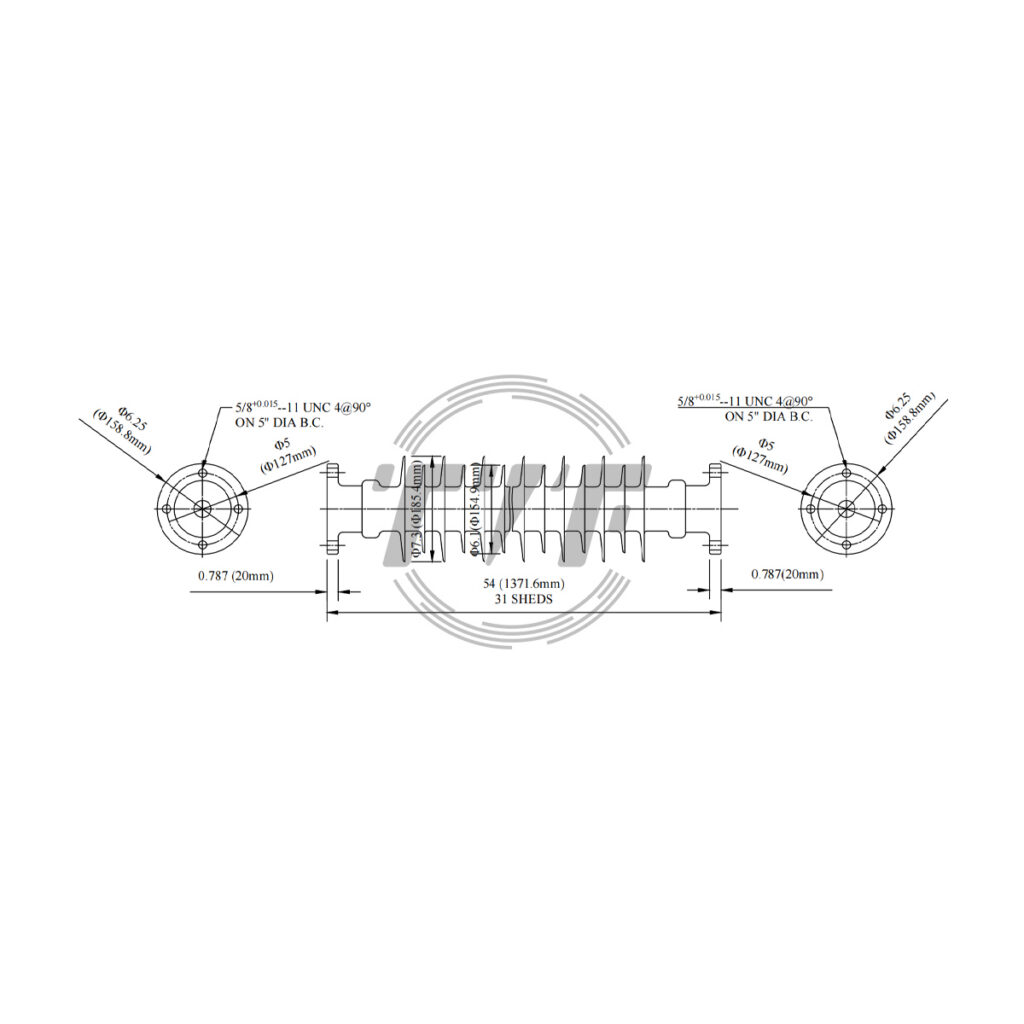
Brazil is expanding and upgrading its transmission network to accommodate renewable generation and meet the growing demand. In 2026, more than 2,000 km of transmission lines entered commercial operation in Brazil. The industry is also introducing technologies such as FACTS and planning new HVDC-VSC interconnections to improve power flow control and renewable integration. This modernization and interconnections demand reliable insulation systems. Conducting quality assurance for the silicone station post insulators ensures they can withstand the electrical stresses. Quality assurance prevents flashovers, phase-to-phase ground faults, equipment damage, and transmission interruptions. QA also verifies the material formulation, uniformity, surface condition, hydrophobicity, and resistance to tracking and erosion. The silicone’s hydrophobic properties help limit the formation of continuous conductive water films on contaminated surfaces. Using high-quality insulation in Brazil’s transmission expansion to ensure a more reliable and modernized transmission network.
The roles of silicone station post insulators in Brazil’s transmission modernization
Brazil’s transmission modernization depends on higher network capacity, improved reliability, digitalization, and integration of new electricity demand. Silicone station post insulators provide the electrical insulation and mechanical support needed around substations and high-voltage equipment. Here are the roles of the silicone insulators in transmission modernization.
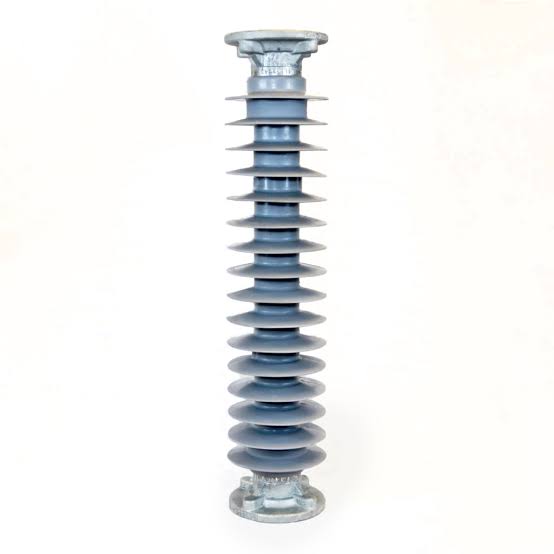
- Supporting high-voltage equipment—the silicone station post insulator supports energized components while maintaining electrical isolation from grounded structures. They support disconnect switches, switch yard equipment, substation connections, and conductors.
- Maintaining electrical insulation—silicone insulators establish the insulation distance between conductors and grounded structures. They help prevent flashovers, leakage currents, phase-to-phase ground faults, and equipment damage.
- Improving pollution performance—silicone rubber has a hydrophobic surface that helps limit the formation of continuous conductive water films. This makes the silicone insulators maintain insulation performance under demanding environmental conditions.
- Enabling substation modernization—silicone post insulators serve in modernization projects to replace aging insulation systems.
- Supporting renewable energy integration—new transmission projects are moving closer to renewable regions. Using the insulators supports the substations and switching infrastructure by providing reliable insulation for high-voltage equipment.
The importance of funding transmission projects in Brazil
The EDP investment and its operations in Brazil will enhance the country’s electricity transmission network. Its funding will aid transmission lines, substation growth, equipment upgrades, automation, teleprotection, digital advancements, and optical-fiber networks. Here are the functions of the investment in Brazil’s energy sector.
- Increasing transmission capabilities—investments enable EDP to extend transmission lines and boost substation capacity. Transmission systems are essential for transporting electricity between areas and connecting generation to consumption.
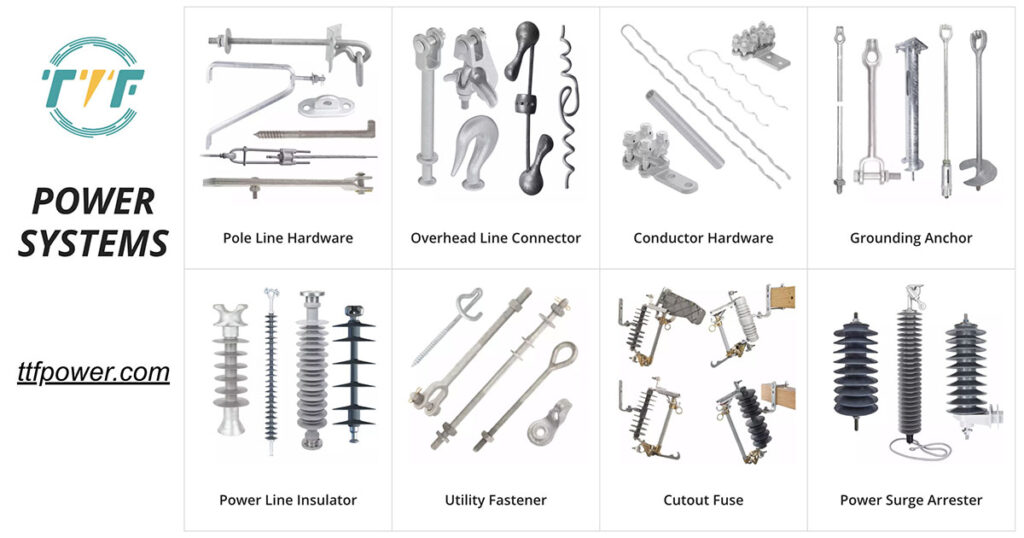
- Updating substations and electrical apparatus—the funding aids in the renewal and enhancement of old transmission gear. This generates a need for protection and control systems, instrument transformers, surge arresters, silicone insulators, and cable components.
- Speeding up grid digitalization—enhancements in optical fiber can ease high-speed communications for teleprotection, substation automation, supervisory control, and fault identification.
- Facilitating renewable energy integration—investing in transmission enhances investment in renewable generation. It generates the grid capacity required to deliver clean electricity.