

Electric mobility in Colombia is undergoing transformation driven by the arrival of new models and sustained sales growth. Investment from Asian and local brands positions the country as a leader in the adoption of clean technologies and sustainable vehicles. The availability of government incentives, increasing environmental awareness, and the expansion of charging infrastructure also led to electric mobility. Colombia has put in place various measures to promote, including tax exemptions, lower tariffs, traffic benefits, and a national development plan. BYD, Renault, and Chevrolet dominate the market and provide affordable and high-end models. Electric buses are expanding, with over 1,500 electric buses in operation. Expansion of charging networks along the highways and in small towns will lead to increased adoption of the technology. Downlead clamps in EV charging infrastructure ensure safety, stability, and efficiency. They also function in power distribution, grounding systems, and cable management.
A downlead clamp is a mechanical fastener used to secure and support electrical cables to poles or towers. It prevents cable movement, reduces stress, and ensures proper electrical grounding. It supports cables, ensures electrical safety, and provides mechanical protection. As Colombia expands its EV charging network, downlead clamps will help secure power cables, anchor overhead lines, and maintain safety compliance. EV chargers will need proper grounding to prevent electric shocks. Downlead clamps will help bond grounding conductors to structures such as charging poles. The clamps help maintain a stable voltage supply and reduce the risks of power fluctuations at fast-charging stations. The future can expect smart clamping systems, high-strength materials, and standardization for downlead clamps.
Downlead clamps in electric vehicles and charging infrastructure.
With the increasing adoption of electric vehicles and government-led infrastructure investment, specialized components like downlead clamps will be important. Downlead clamps are mechanical fasteners used to securely guide and support high-voltage cable terminations. In the EV ecosystem, the clamps function in charging stations, grid-to-charger connection points, battery energy storage systems, and EV manufacturing facilities. The rapid rollout needs extensive cabling and electrical integration. The downlead clamps anchor charging cables, secure power feeds from transformers for high-load EV hubs, and stabilize vertical drop cables. Here are the functions of downlead clamps in EV and charging infrastructure.

- Cable management—the clamps secure vertical or inclined power cables to connect transformers, inverters, or chargers. They prevent sagging or wear during operation and maintenance.
- Mechanical stress relief—downlead clamps isolate cables from vibrations, wind loads, or strain caused by environmental stresses. They protect the cable insulation and extend the lifespan of power conductors.
- Electrical safety—the clamps maintain required clearances, prevent arc faults, or grounding hazards. They are essential in high-voltage, fast-charging environments.
- Load distribution—downlead clamps help distribute mechanical loads evenly along cable paths. They help reduce pressure points that could otherwise cause failure.
- Modular mounting—the clamps enable quick installations on poles, walls, or cabinets in EV charging stations.
Technologies powering Colombia’s EV and charging infrastructure boom
Colombia’s electric vehicle transition is a fast-paced reality, with EV models to public-private investments in national charging networks. These technologies may include smart grids, charging, renewables, and solar-integrated chargers to next-gen batteries and intelligent fleet tools. There are also national efforts to unify standards and expand infrastructure. Download clamps support the installation and development of these technologies in Colombia. The following are the technologies powering Colombia’s EV and charging infrastructure.
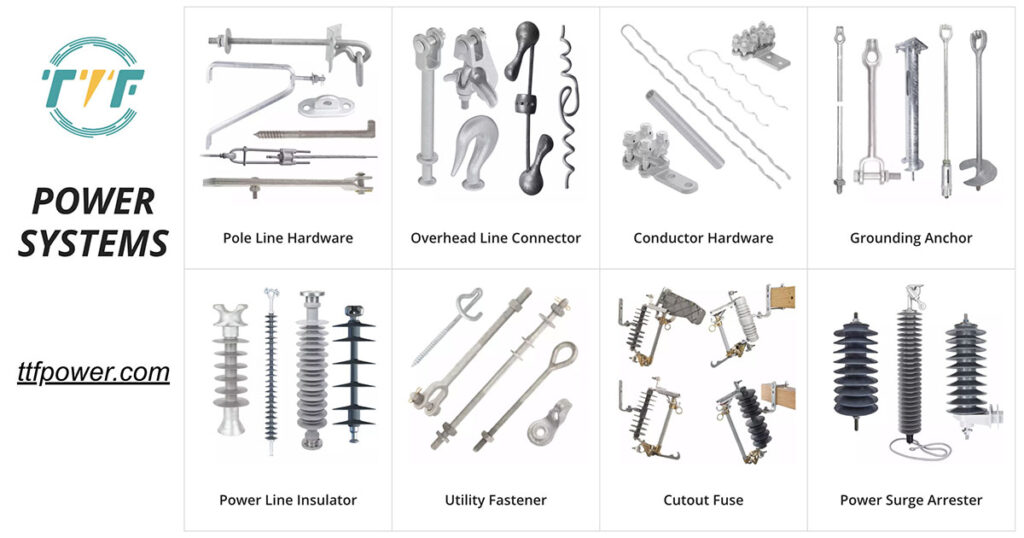
- Battery technology—the technologies include lithium-ion batteries, LFP (lithium iron phosphate), and battery management systems (BMS). They are the power source for most EVs, provide longer cycle life and lower cost, and regulate battery health and efficiency. LFP batteries are favored for their stability in public fleets to support the push toward mass transit electrification.
- Charging infrastructure technologies—charging types include level 2 chargers, DC fast chargers, smart charging systems, and wireless charging. They may be found in malls, apartment blocks, along highways, and in city fleets.
- Grid and energy management—these systems include smart grids, vehicle-to-grid, and load forecasting AI. These help to track and balance electricity flow, bi-directional power flow from EVs, and predict EV energy demand.
- Renewable energy integration—this includes integrating solar PV, wind energy, and battery energy storage systems with electric vehicles. It helps power EV charging stations, supplement grid charging, and store energy for nighttime charging. This is crucial in reducing fossil fuel reliance.
- Heavy transport and fleet technologies—the tech includes electric bus platforms, regenerative braking systems, and modular chargers. They function in urban mass transport, capture braking energy, and scale fleet charging.