
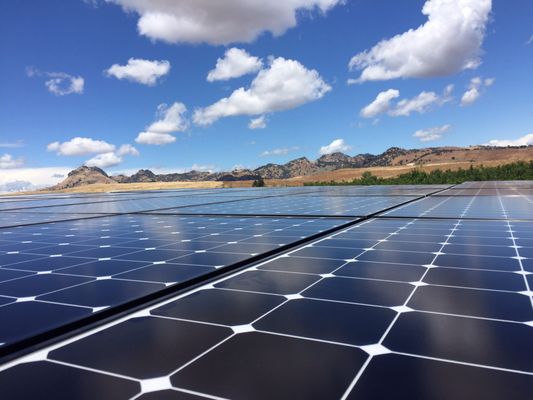
Argentine renewable energy company Genneia announced the start-up of 140 MW at the San Rafael solar power plant in Mendoza. The San Rafael project will reach a total installed capacity of 180 MW and represents an investment of USD 180 million. Once operational, it will strengthen Mendoza’s role in the expansion of sustainable energy infrastructure in Argentina. The project comprises 400,000 photovoltaic panels and supplies clean electricity to off-takers through Argentina’s Mercado a Termino de Energia Removable, the country’s forward market for renewable power purchase agreements. Integrating the 140 MW of solar capacity demands consolidated upgrades in transmission, substations, and balance-of-system components. This demands the use of robust hardware components such as the double-ended bolt. The double ended bolts connects new structural modules to existing ones during the expansion. It allows two separate structural elements to be bolted together on either side of a connecting plate.
Double-end bolts work with oversized holes in connecting plates to allow for slight change in the field. This is to ensure all components line up correctly before final tightening. The expansions match the design’s wind and seismic loads. Using the double ended bolts helps withstand the tensile and shear forces at the connection points. This is crucial to ensure the expanded array is as robust as the original. The bolt simplifies the connection process in large-scale projects where installation speed impacts costs. Double ended bolts secure connections that resist overturning and prevent the effect in long rows of trackers.
High-quality bolts are hot-dip galvanized or made from stainless steel to prevent corrosion and withstand high UV radiation. The bolts are safety-critical, engineered components that ensure the expanded solar plant can withstand environmental challenges. They are critical components when connecting to existing structures that may have shifted.
Role of large-scale solar in grid stability and energy security in Argentina
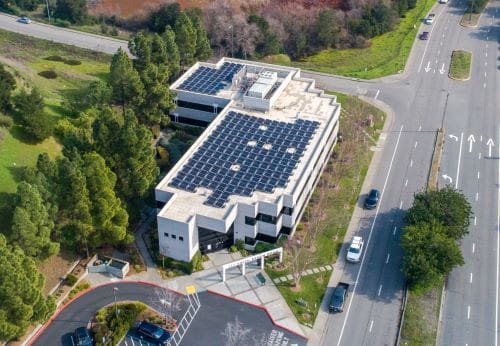
Solar capacity expansion is crucial as Argentina modernizes its power system amid rising demand, fuel import constraints, and decarbonization targets. Expansion of solar capacity strengthens Argentina’s grid by improving reliability, reducing fuel dependency, and introducing advanced control capabilities. Solar energy transitions from a supplementary resource to a strategic asset for grid stability and energy security.
Double ended bolts in the Mendoza solar capacity expansion
Double-ended bolts ensure the mechanical integrity, reliability, and longevity of utility-scale PV installations. The bolts support international design codes and quality standards for standardized systems. They contribute to structural bankability, reduce technical risk, and reassure investors backing large-scale solar development in Mendoza. Here are the functions of the double-ended bolts in solar projects.
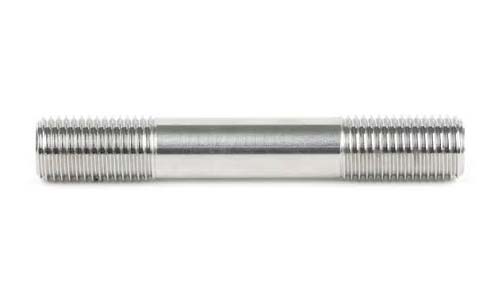
- Structural assembly and load transfer—double ended bolts connect steel support structures, mounting rails, and foundation interfaces in ground-mounted solar PV plants. They enable correct alignment and secure clamping of structural members. The bolts also ensure effective load transfer from the PV modules and mounting systems to the foundations.
- Wind and seismic resistance—double-ended bolts enhance resistance to uplift forces, vibration, and cyclic loading. They allow for controlled torque application on both ends and reduce the risk of loosening under dynamic stresses.
- Corrosion resistance and durability—solar PV plants face strong solar radiation, temperature fluctuations, and dust. The double ended bolts are from hot-dip galvanized or stainless steel that provides long-term corrosion protection.
- Installation efficiency—double-ended bolts allow modular assembly and allow one end to be permanently anchored into concrete. This enables fast installation and adjustment of mounting components.
Key infrastructure supporting the San Rafael solar plant in Mendoza
The San Rafael solar plant relies on key infrastructure components that ensure reliable generation, grid compliance, and long-term operational performance. Each infrastructure layer helps transform solar irradiation into a bankable electrical output. This infrastructure includes:
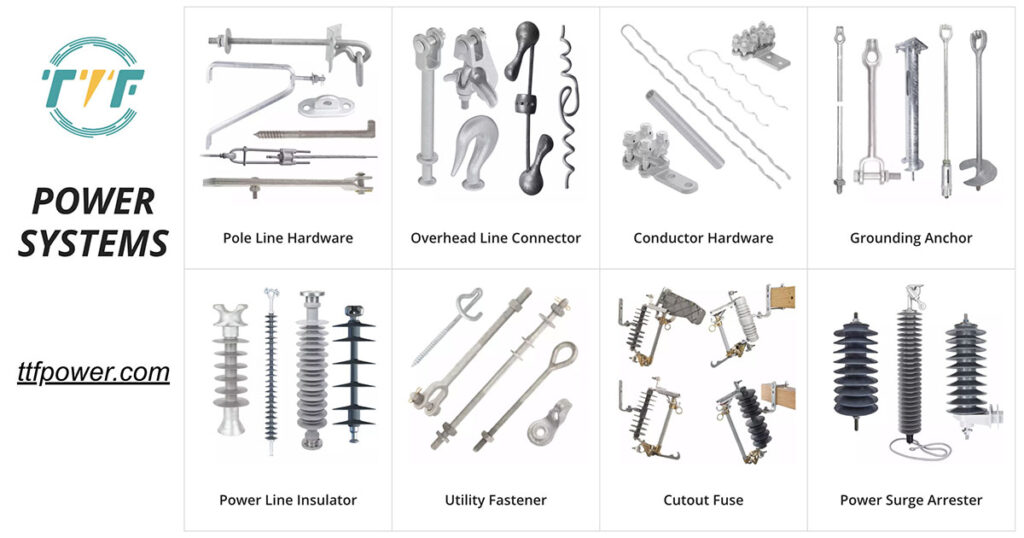
- Photovoltaic modules—these modules maximize energy yield while maintaining performance stability under thermal stress and UV exposure.
- Mounting structures and foundations—ground-mounted racking systems provide mechanical support and optimal module orientation. These structures anchor using reinforced concrete foundations to withstand Mendoza’s wind loads.
- Inverters and power electronics—inverters help in voltage regulation, frequency control, and reactive power support. Using advanced inverter technologies enables grid-forming and grid-supporting functions. This helps the plant to follow Argentina’s grid codes.
- Substation and grid interconnection—the solar plant uses transformers, switchgear, and protection systems to ensure safe and synchronized power export. Using the double-ended bolts helps support these diverse connections for solar capacity expansion.