
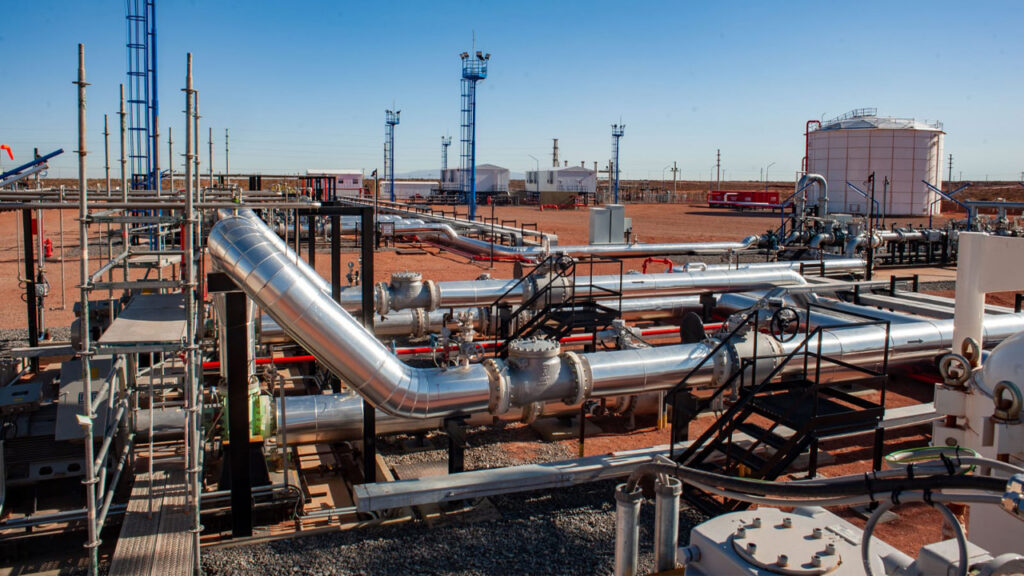
With Vaca Muerta’s ongoing expansion, its potential may play a significant role in transforming Argentina’s economy by turning the nation into energy exporters. Vaca Muerta offers Argentina a strategic chance to generate considerable foreign currency, enhance its trade balance, stabilize the peso, and boost fiscal sustainability. The nation frequently deals with a lack of foreign currency that leads to inflation, fluctuations in exchange rates, and persistent debt crises. Export revenues generate the US dollars required to fund imports, pay foreign debt, and sustain trust in the national currency. By 2031, Vaca Muerta may produce US$50 billion in yearly export earnings. Accomplishing these objectives, however, relies on the ongoing growth of essential infrastructure. The nation should divide resources for high-capacity oil and gas pipelines, LNG liquefaction and export facilities, electrical transmission systems, and compressor stations. These advancements rely on sturdy equipment like shackle helical anchors.
Shackle helical anchors are screws installed in the ground to provide a stable and high-capacity foundation. The anchors restrain pipelines and pin them to the trench floor to prevent them from shifting. In Vaca Muerta, they support well pads and processing facilities that need stable foundations. They secure footing for equipment like pump jacks, separation vessels, storage tanks, compressor stations, and control rooms. Helical anchors resist the downward weight and uplift forces caused by wind or structure operation. They provide stable foundations for transmission towers, pipe racks, flare stacks, and temporary work platforms. High-quality shackle helical anchors are installed with low vibration, low noise, and minimal soil disturbances.
Quality assurance for shackle helical anchors used in oil and gas infrastructure.
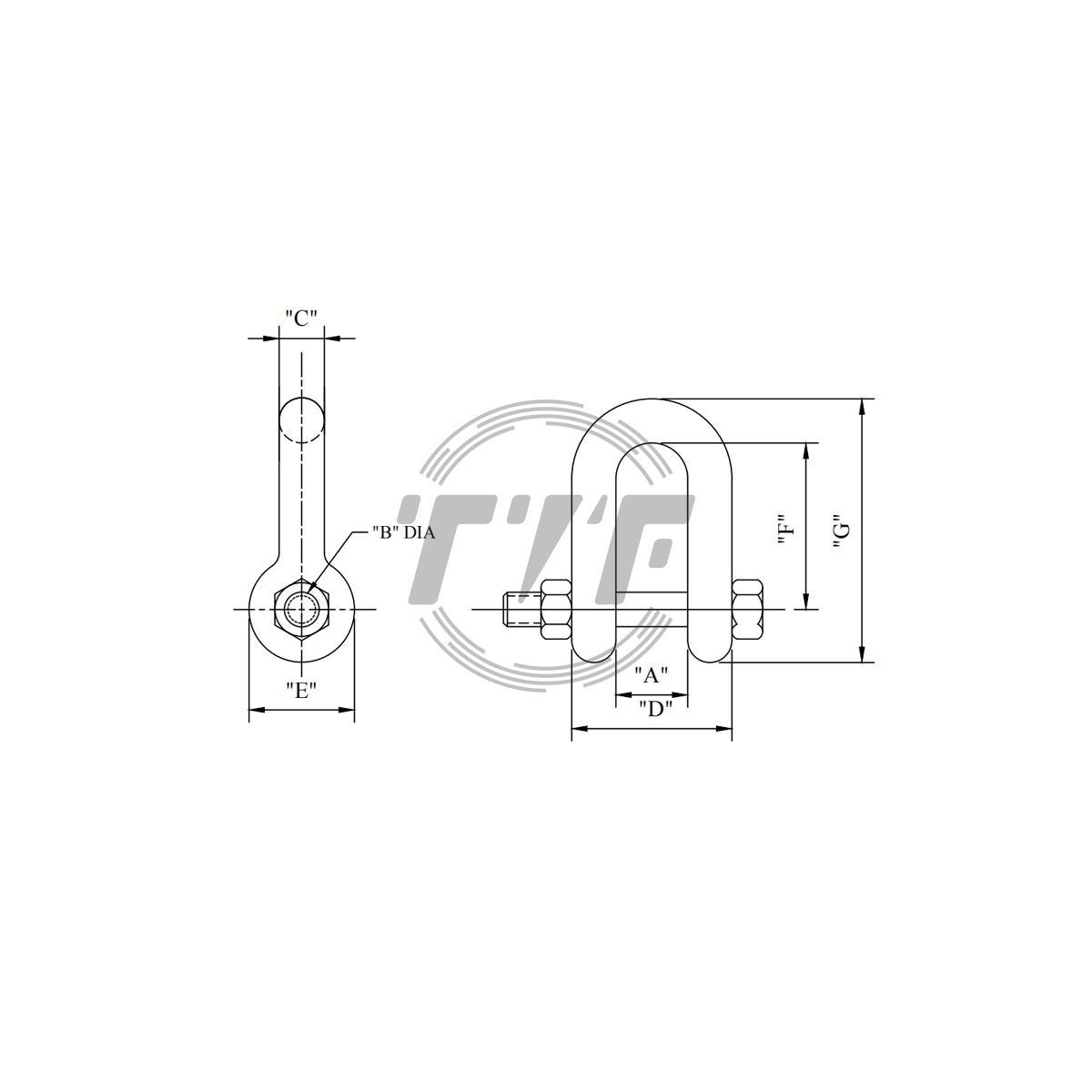
Quality assurance for the anchors helps them provide reliable support. Reliable support is crucial for guyed structures, pipelines, equipment platforms, transmission poles, communication towers, and construction facilities. QA helps detect failures that can lead to equipment instability, environmental incidents, and production downtime. Additionally, QA ensures each anchor meets the required mechanical, dimensional, and corrosion-resistance standards. Oil and gas facilities face severe operating conditions, including corrosive soils, fluctuating temperatures, heavy mechanical loads, and ground movement. Quality-assured anchors deliver consistent load-bearing performance, maintain structural integrity, and reduce the risk of foundation failures. The QA process covers raw material verification, manufacturing process control, welding quality inspection, dimensional accuracy, mechanical performance testing, and installation quality assurance. Quality assurance provides improved structural stability of oil and gas infrastructure and a lower risk of operational interruptions.
The roles of shackle helical anchors in oil and gas infrastructure in Vaca Muerta
The development of the Vaca Muerta shale formation has increased the demand for robust foundation and anchoring systems. These systems are able to support oil and gas infrastructure under challenging geological and environmental conditions. Here are their key roles in oil and gas infrastructure in Vaca Muerta.
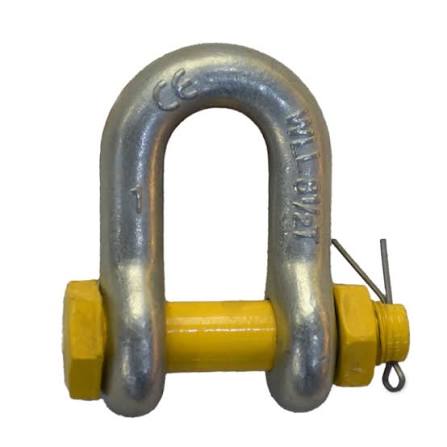
- Anchoring guyed structures—shackle helical anchors secure guy wires that stabilize communication towers and lighting towers. The shackle connection allows secure attachment of guy cables while maintaining high tensile strength.
- Supporting power distribution infrastructure—oil and gas operations rely on power drilling rigs, pumping stations, compressor stations, and processing facilities. Helical anchors stabilize utility poles and guyed electrical structures by maintaining pole alignment and improving network reliability.
- Stabilizing temporary construction facilities—shackle helical anchors provide rapid installation and removal for temporary projects while reducing ground disturbances.
- Supporting pipeline monitoring systems—the anchors support the poles and towers carrying oil and gas infrastructure. They support remote sensors, communication equipment, leak detection systems, and weather monitoring stations.
The significance of funding in the Vaca Muerta shale formation
Investments propel the growth of Argentina’s Vaca Muerta shale formation for exporting oil and natural gas. Harvesting hydrocarbons from shale requires sophisticated drilling techniques, significant infrastructure, and financial investment. This is how investments are transforming Vaca Muerta’s approach in Argentina.
- Greater oil and gas output – investment in capital allows operators to create new wells, broaden drilling initiatives, and put in place sophisticated extraction techniques.
- Enhancing vital energy infrastructure—funding supports the building and upgrading of oil and gas pipelines, compressor stations, gathering systems, processing facilities, and storage terminals.
- Boosting export capacity—enhanced export capacity facilitates foreign exchange income, improves the trade balance, and diversifies revenue from exports.
- Drawing in foreign direct investments – foreign direct investment (FDI) introduces sophisticated drilling technologies, engineering know-how, operational excellence, and digital surveillance systems.