
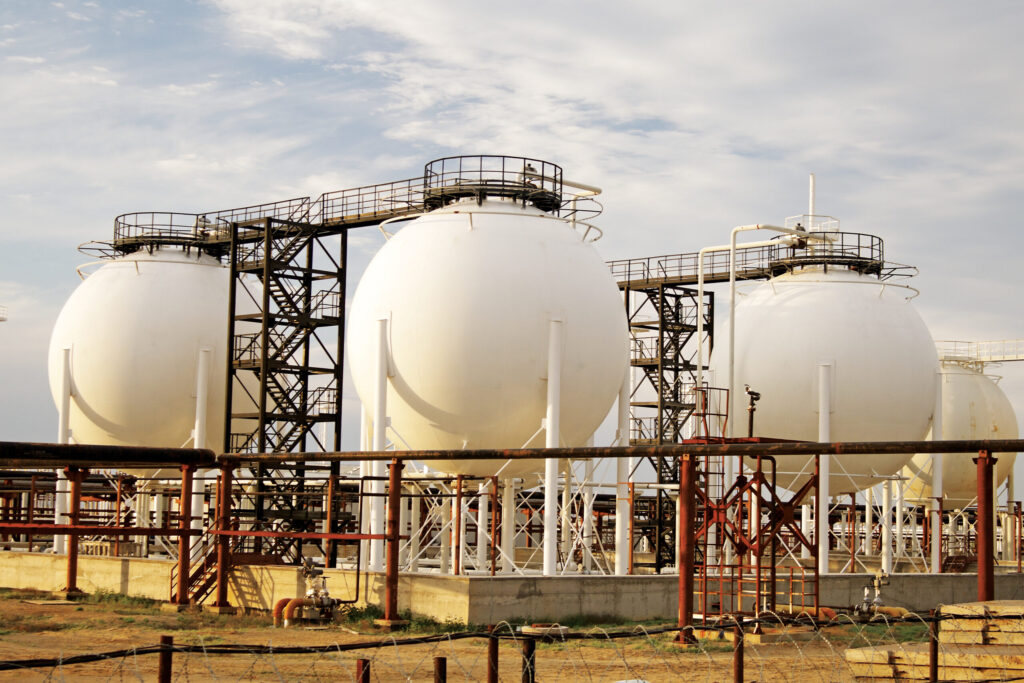
Camuzzi Gas Inversora signed a Memorandum of Understanding with Vitol for Argentina’s LNG del Plata project. The project is located in the Port of La Plata, Buenos Aires province, and needs an investment of $3.9 billion. The dual-purpose project would export liquefied gas and also strengthen domestic supply in Argentina’s peak demand months. The Del Plata project will access infrastructure that transports natural gas out of the Vaca Muerta Shale in the Neuquen Basin. This will force the expansion of long-distance gas pipelines, strengthen existing trunk systems, and encourage new feeder lines and compression stations. This will also push the development of liquefaction facilities, storage tanks, loading terminals, and marine infrastructure for LNG carriers. The development gives Argentina direct access to global gas markets. Argentina will need gas storage facilities, load-balancing systems, and flexibility infrastructure to support exports. These interconnections depend on the thimble clevis to create durable connection points.
High-quality clevises offer high-strength connection points for the mooring and piping systems that keep LNG terminals operational. The thimble clevis prevents abrasion and crushing of mooring lines under extreme tension. It also provides a strong, load-transferring joint that allows for controlled movement and articulation. The thimbles protect the high-tensile mooring lines at the point where they attach to a clevis. The clevis acts as the secure connecting pin linking the line to the buoy or the ship. Thimble clevises serve as the mechanical hinges that connect the hoses to rigid piping. Large clevis brackets support and anchor pipelines. They absorb stress from thermal expansion, vibration, and dynamic loads. Thimble clevises are corrosion resistant to withstand coastal and offshore environments.
Quality assurance for thimble clevis used in LNG export infrastructure
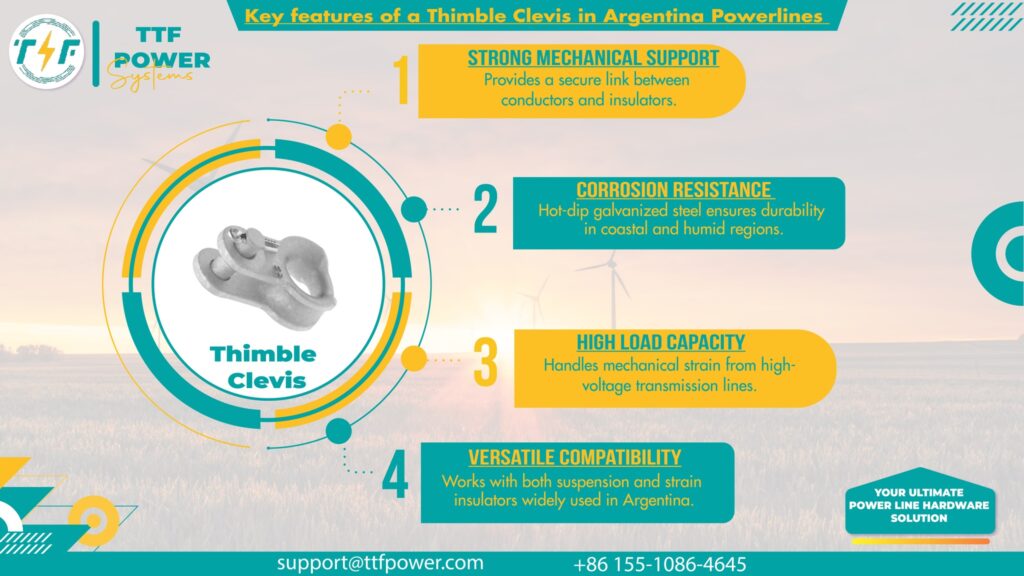
Quality assurance for thimble clevises in LNG export infrastructure is crucial due to the cryogenic environment, corrosive coastal conditions, and high mechanical reliability requirements. QA validates materials such as ductile iron, forged steel, or aluminum alloys. This ensures they are corrosion resistant and follow ASTM or ISO standards. QA processes for the clevis include dimensional inspection of pin holes, verification of casting or forging integrity, and compliance with design geometry. This ensures smooth load transfer and reduces localized stress on conductor loops. The process also includes mechanical performance testing, environmental testing, non-destructive examination, and functional quality assurance. Quality assurance prevents high-risk, high-value energy systems where component reliability impacts safety, uptime, and regulatory compliance.
Functions of the thimble clevis in Argentina’s LNG export infrastructure
Thimble clevises serve as mechanical interfaces within electrical and structural support systems. They offer reliability, load transfer, and environmental resilience in high-spec energy infrastructure. Here are the functions of the thimble clevis in LNG export infrastructure.
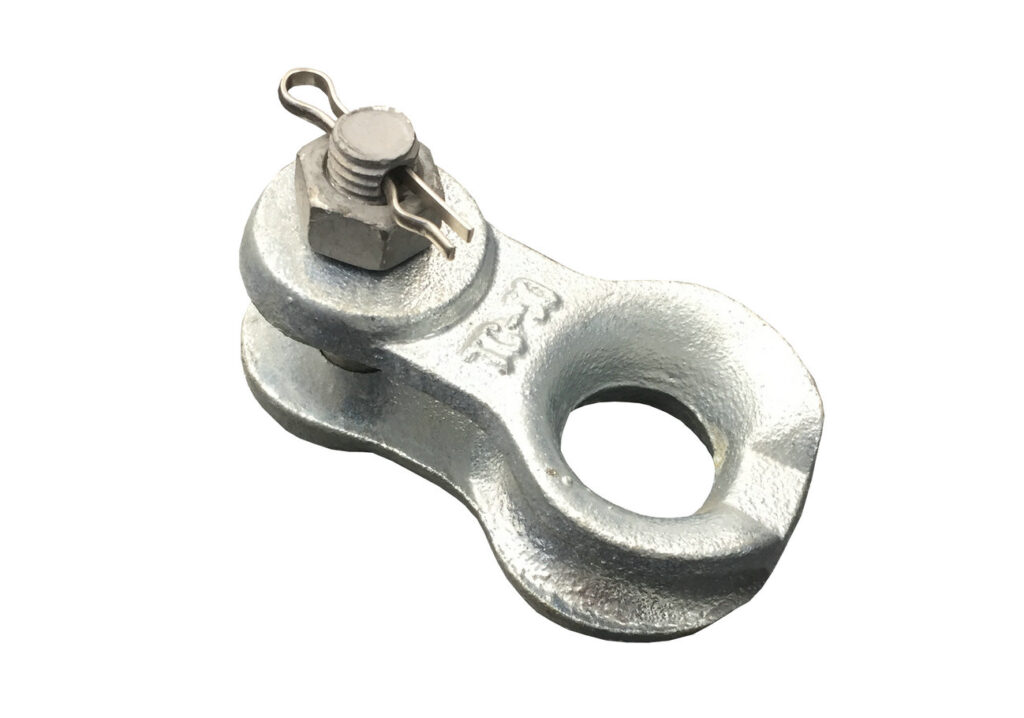
- Mechanical load transfer and termination support – the thimble clevis connects conductor dead-ends to support structures such as poles, gantries, or substation frameworks. It distributes tensile loads from cables or conductors into the structure without causing localized stress.
- Protection of conductor loops: The thimble profile maintains the natural curvature of conductor loops to prevent sharp bending at termination points. This reduces mechanical fatigue and strand damage.
- Flexible articulation under dynamic loads – the clevises provide a pivoting connection through a pin assembly. This allows movement under mechanical stress without transferring excessive bending moments to the conductor.
- Integration with insulation and hardware systems—thimble clevises act as interface hardware between insulator strings, dead-end fittings, and structural anchor points. This ensures modular connectivity and enables standardized assembly of electrical infrastructure.
Technologies supporting LNG export with collaboration between Camuzzi and Vitol in Argentina
The collaboration between the two companies is centered on the LNG del Plata project in Argentina. It is a technically integrated export system designed to transform Argentina into a competitive LNG supplier. This brings technologies spanning from upstream gas sourcing to liquefaction, storage, and export logistics. Here are the technologies:
- Floating LNG liquefaction technology—the FLNG vessel processes natural gas into LNG offshore or nearshore. This reduces the need for large onshore liquefaction plants. This approach allows faster deployment, lower capex, and scalability compared to conventional terminals.
- Integrated gas transportation infrastructure—key technologies include high-pressure transmission pipelines, new midstream links, and seasonal load balancing.
- Offshore and subsea engineering systems – the LNG del Plata project incorporates offshore engineering solutions to support the FLNG unit.
- LNG storage and export logistics—the collaboration integrates cryogenic storage tanks, ship loading arms and transfer systems, and optimization of global shipping routes and regasification destinations.