
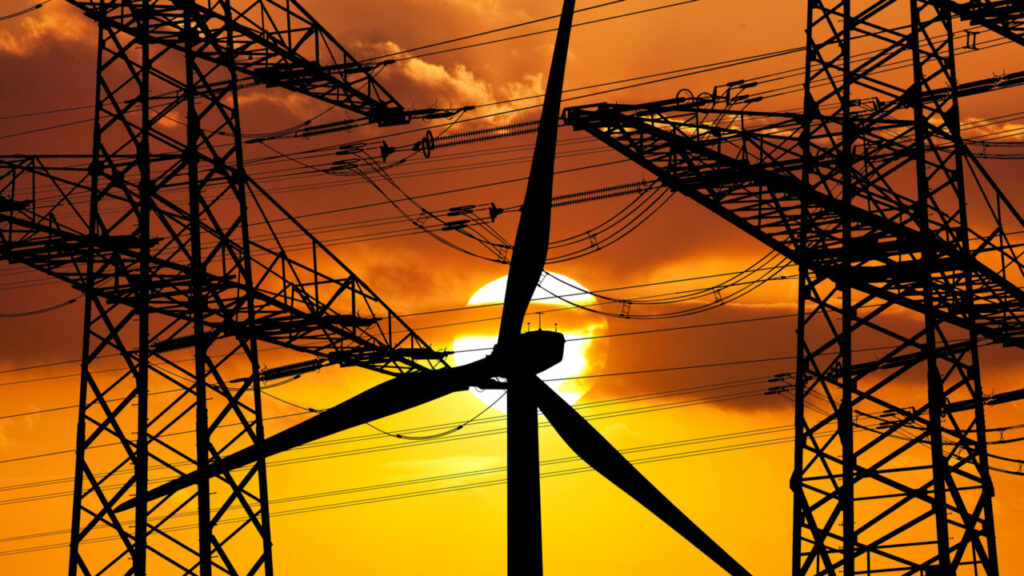
The increasing heatwaves in Argentina impact various power sectors, including power production, consumption, and the infrastructure. These heatwaves lead to widespread outages that leave consumers without electricity. Recently, Buenos Aires faced massive power outages, mostly affecting the northern districts. The excess heat increases the rate of thermal degradation that triggers failures. The blackouts reveal vulnerabilities in high-voltage grid segments where transmission line failures lead to outages. Energy companies work extra to address the blackouts and ensure resistance in the future. They may do so by adopting various strategies to help transform the grid to a heat-resilient system. These connections rely on robust power infrastructure capable of withstanding these high temperatures. This includes components such as insulated piercing clamps.
High temperatures cause conductors to expand and sag. This leads to increased electrical resistance and reduces the effective capacity of transmission lines to carry power over long distances. Heatwaves also cause transformers and other substation equipment to work harder. Such connections demand the use of insulated piercing connectors. The insulated piercing clamp is a connector used to tap into a live, insulated medium-voltage or low-voltage distribution line without stripping the insulation. It pierces the insulation to make electrical contact. IPCs allow crews to safely and rapidly make new connections on live lines without costly and time-consuming blackouts.
Insulated piercing clamps create temporary bypasses or make emergency taps to restore power. They have an insulated design that allows for safe work on energized lines. Their insulated casing contains potential arcing that could occur at the connection point to prevent ignition of dry vegetation. They reduce the risk of a fault during the work compared to traditional bare-conductor methods. Additionally, insulated piercing clamps contribute to reducing the duration of unplanned outages.
The role of insulated piercing clamps in protecting power infrastructure during heatwaves
Insulated piercing clamps provide a form of electrical connection used in overhead power distribution networks for heatwave resilience. The clamps provide stable, low-resistance connections and reduced maintenance risks under environmental stress. Their design reduces the risk of connection-induced hotspots and enables safer live-line operations. Here is how they protect the power infrastructure during heatwaves.
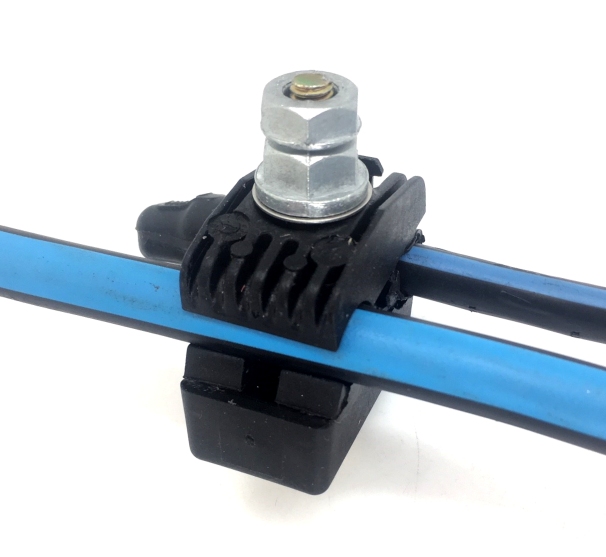
- Design of insulated piercing clamps—insulated piercing clamps tap into insulated conductors in low- and medium-voltage distribution lines without stripping insulation. Their design maintains the protective insulation envelope and establishes a secure electrical connection.
- Reduced electrical resistance and thermal load—these clamps establish a low-resistance connection at the conductor without exposing bare sections. This helps limit resistive losses that could worsen temperature rise at connection points. They also help avoid local hot spots that intensify due to prolonged heat and high load.
- Environmental protection and reliability—outdoor electrical components face degradation from moisture ingress, UV exposure, or corrosion. Insulated piercing clamp housings and seals help withstand environmental stresses. They have waterproof, UV-resistant materials and corrosion-resistant metallic parts that prevent performance loss.
- Operational flexibility and reduced outage risks—the clamps can be installed without de-energizing the line. Their live-line installation capability helps utilities perform network modifications. They reduce the need to expose bare conductors during maintenance.
Developments protecting power equipment from heatwaves in Argentina
Energy companies are embracing various developments and technologies to help protect power systems from heatwaves and strengthen the grid resilience. Addressing these challenges requires a strategy involving digital and climate-ready grid infrastructure. It also includes decentralized energy systems, energy storage, equipment cooling solutions, and regulatory frameworks. These help transform a vulnerable grid into a heat-resilient electricity system. These developments include:
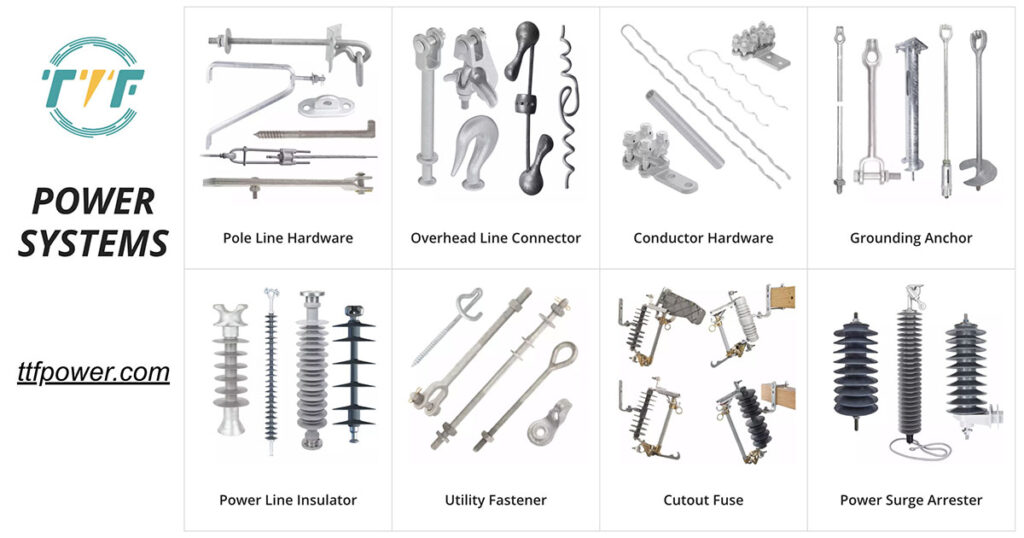
- Modernizing and climate-proofing grid infrastructure—this includes the use of smart grid technologies that use advanced sensors and communication to balance demand and supply. It also includes digital sensors and thermal monitoring.
- Enhancing generation flexibility and local resilience – these include distributed energy resources, virtual power plants, energy storage systems, and renewable integration and diversification. These technologies help smooth demand spikes and reduce the reliance on heat-sensitive generators.
- Equipment protection and cooling solutions—the energy companies can integrate passive cooling materials and active cooling systems. They help reduce the risk of shutdowns due to thermal stress. Insulated piercing clamps ensure secure, low-resistance connections and reduce heat-stress failures.
- Operational and regulatory development—this includes incorporating climate-informed grid planning, regional cooperation, investment frameworks, and regulatory incentives. These promote investment opportunities that ensure transmission and distribution capacity is sized for future conditions.